Non-Destructive Nanomaterial Characterization
Author: Dr. M. K., Senior Materials Characterization Engineer
The Struggle with Weak Signals and Fragile Samples
In defect analysis of single-layer graphene and carbon nanotubes, extracting molecular vibrational fingerprints at the nanoscale is fundamentally a battle against physics. Raman scattering signals are inherently weak, often buried completely under intense background fluorescence. Initially, our workaround was simply increasing the excitation power to force a better signal-to-noise ratio. Naturally, this brute-force approach led to irreversible thermal degradation of our highly fragile samples. We were stuck in a loop of either acquiring unusable noisy data or burning our specimens.
Identifying the Engineering Bottlenecks
We realized the issue wasn't just a lack of photons, but a lack of control. Standard free-space lasers introduced unacceptable power fluctuations, causing severe baseline drifts over long integration times. Furthermore, the standard dichroics in our setup simply lacked the optical density to reject deep Rayleigh scattering. The solution required a systemic rebuild, focusing on strict thermal management at the excitation end and rigorous noise suppression before the detector.
System Integration and Calibration
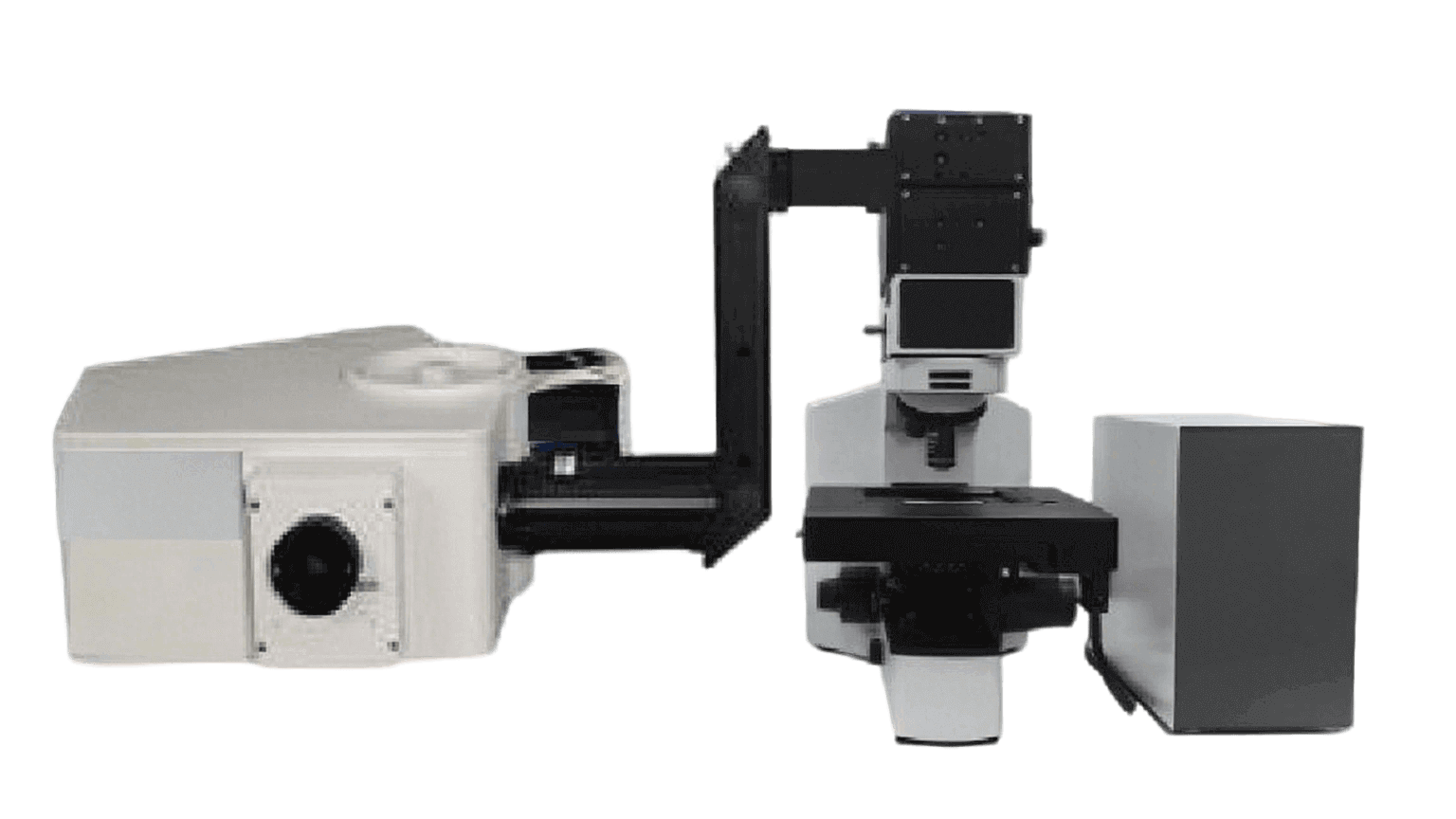
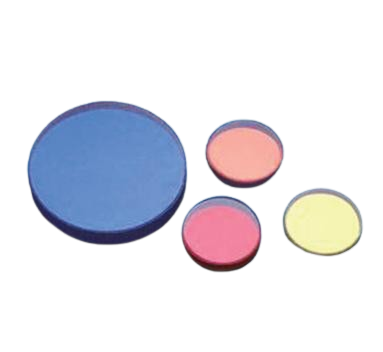
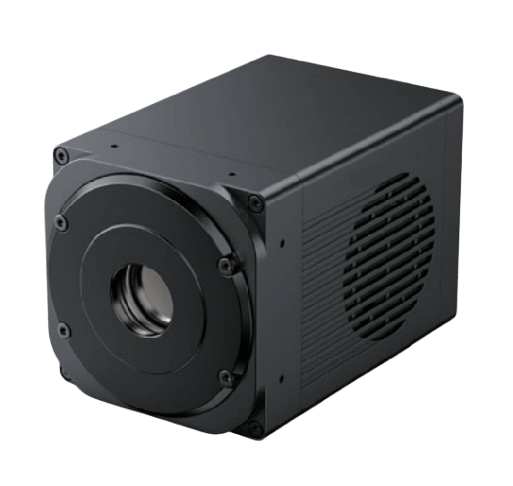
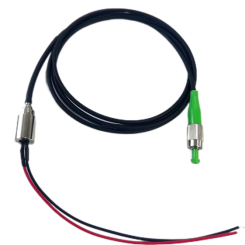
We stripped down the bench and started rebuilding around a customized Venus Confocal Micro-Raman Spectrometer architecture. The first critical swap was replacing the volatile gas lasers with VenusLab's VL Fiber-Coupled Laser Sources. It took a few days to perfectly align the fiber output with our optics, but the active temperature control finally eliminated our thermal drift issue. To handle the background noise, we integrated their Narrowband Interference Filter into the collection path. The steep edge transitions were exactly what we needed technically to block the Rayleigh line without cutting into the low-frequency Raman modes. Finally, we coupled the spectrometer to their VenusLab Scientific sCMOS Camera, relying on deep TE-cooling to minimize dark current during prolonged exposures.
Achieving Reliable Data Consistency
The transition wasn't an overnight miracle, but the empirical results speak for themselves. We are now routinely extracting clear 2D and G bands from ultrathin layers using less than a third of our previous excitation power. We still have to be meticulous with sample preparation, but the constant anxiety of thermal damage is gone. The baseline is flat, the data is highly reproducible, and the system just predictably works. For a materials engineer, that kind of rock-solid reliability is exactly what matters in the daily grind.