Overcoming SWaP Constraints in Multi-Sensor UAV Payloads
Author: M. Chen, Senior Electro-Optical Systems Engineer
For the past eight months, my team has been deadlocked on a next-generation VTOL (Vertical Take-Off and Landing) drone project aimed at precision agriculture and advanced topographical mapping. The objective was straightforward on paper: capture perfectly synchronized thermal and multispectral data in a single flight. However, the reality of engineering a payload within strict SWaP (Size, Weight, and Power) limits was a nightmare.
Prototype Failures: Noise, Misalignment, and Endurance Loss
Our initial prototype was plagued by severe data noise. Under variable sunlight and complex atmospheric scattering, our multi-band images suffered from chromatic aberration and spatial misalignment. The thermal data lacked the necessary contrast to accurately detect crop water stress, and the sheer bulk of the combined sensors was draining the drone's battery, cutting our flight time by 40%. We were spending hours in post-processing just to manually align the thermal overlays with the visible bands. We needed a fundamentally better optical architecture, not just a software patch.
A More Integrated Front-End: VenusLab Components
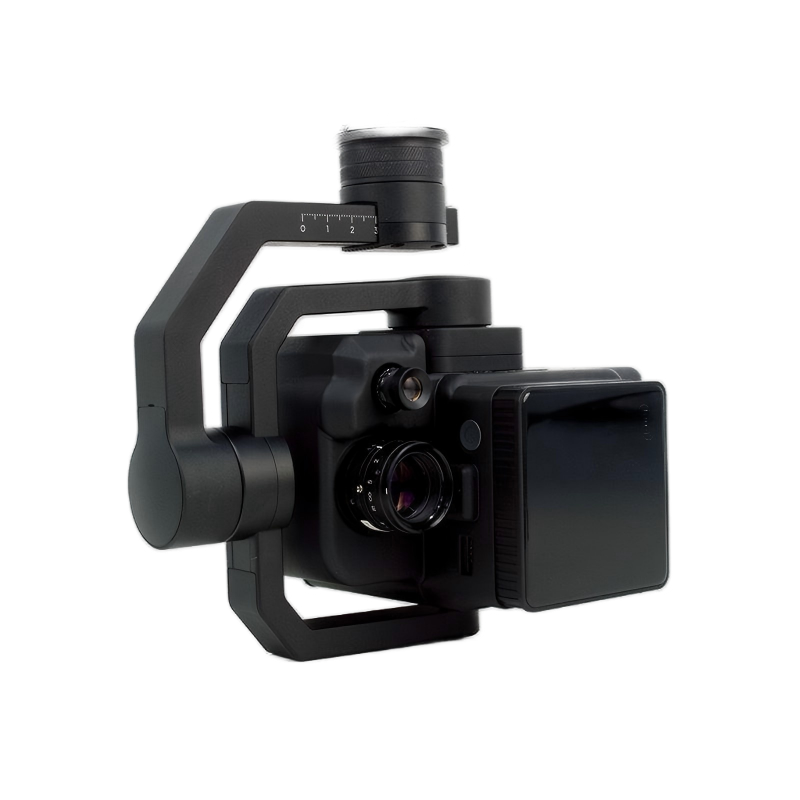
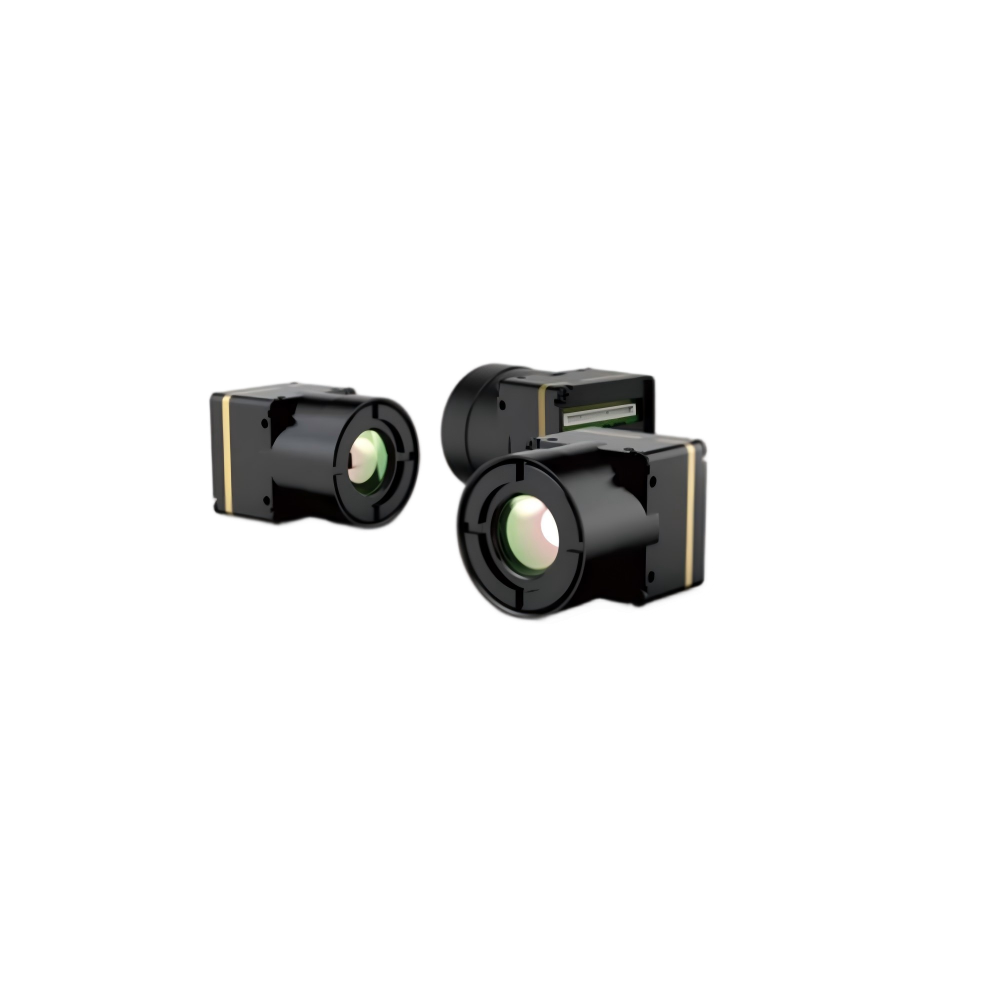
During my search for a more integrated, lightweight front-end, I decided to evaluate VenusLab's optoelectronic components. The transition changed our entire payload design. We stripped out the bulky commercial sensors and built a custom pod around the VenusLab VL FS-50/30 Industrial Airborne Multispectral Camera Payload. To handle the infrared requirements without the weight penalty of a heavy cooling apparatus, we integrated their compact VL 640 High-Resolution Mini UAV Thermal Camera Core.
Optical Path Fixes: Align Before the Sensor
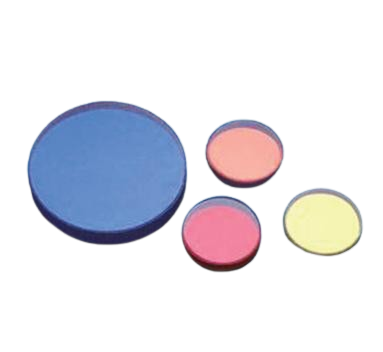
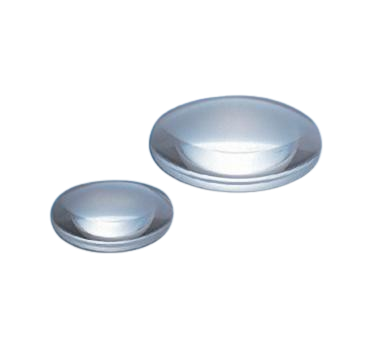
The real magic, however, happened in the optical path. By utilizing VenusLab's custom Narrowband Interference Filter and replacing our stock glass with their high-transmission SFS Plano-Convex Lens, we managed to physically align the fields of view (FOV) before the light even hit the sensors.
Results: Real-Time Ortho, Lower Mass, Restored Flight Time
The workflow transformation has been incredible. Because the optical capture is inherently aligned and features incredibly high signal-to-noise ratios, our onboard processing unit can now stitch the multi-band orthomosaics in real-time. We shaved 1.2 kg off the payload weight, restoring our full 90-minute flight endurance. Watching the first batch of flawless, high-contrast NDVI and thermal maps stream down to the ground station without a single pixel of misalignment was one of the most satisfying moments of my career. We finally have a system that works as hard in the air as we do on the ground.