Precision IVF & Cell Micromanipulation Solutions
Author: Dr. Li, Senior Opto-Mechanical Engineer
The Delicate Balance of Life Under the Lens
In the world of IVF and single-cell gene editing, we often say that we are "playing God" at a micron scale. For years, our lab struggled with a frustrating ceiling in our success rates. The primary culprit wasn't the biological protocols, but the subtle, almost invisible mechanical inconsistencies. When you are attempting to inject a single sperm into an oocyte, even the slightest thermal drift or a nanometer of mechanical backlash can turn a breakthrough into a failure. We were losing precious samples to temperature fluctuations and the "jitter" inherent in standard motorized stages, which felt like trying to perform surgery with a sledgehammer.
Engineering the Perfect Micro-Environment
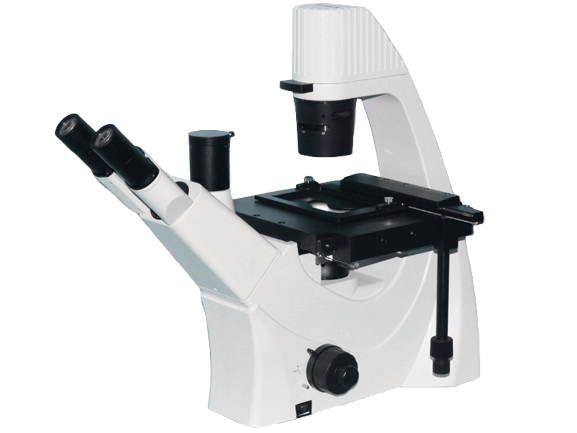
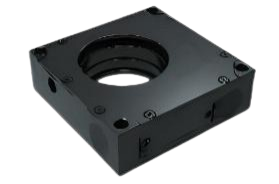
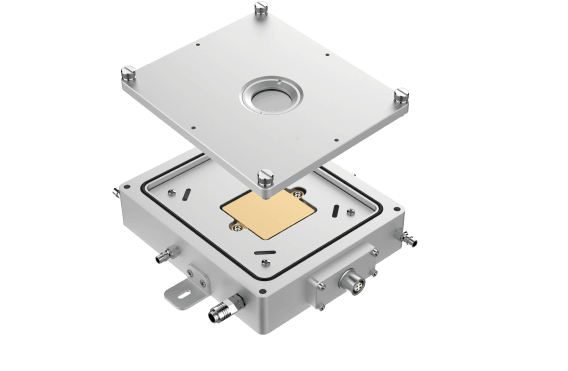
To overcome these hurdles, we completely overhauled our workstation by integrating a specialized suite of high-precision components. We started with the foundation: a VenusLab Venuslab IBM specifically configured for high-contrast imaging of transparent biological samples. To solve the stability issue, we bypassed traditional mechanical drives and implemented the VenusLab Nano & Motorized Series. The sub-nanometer resolution and zero-backlash movement of the piezo actuators gave our researchers the tactile confidence they had been missing. Furthermore, to ensure the physiological integrity of the embryos during long-duration procedures, we integrated a high-precision PeltierThermo Stage. This setup maintained a constant 37°C with millidegree stability, effectively eliminating the thermal stress that previously compromised our cell viability.
Clarity and Results
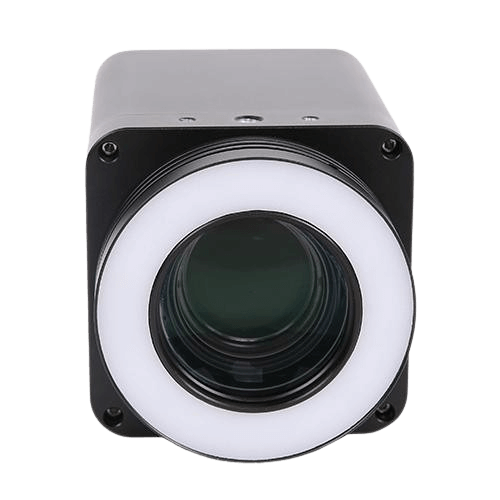
The final piece of the puzzle was visual feedback. We replaced our aging imaging setup with a high-frame-rate VLAFDM-SC512 Microscope Cameras, allowing us to capture the micro-injection process in real-time without motion blur or digital noise. The workflow transformation was immediate. What used to be a high-stress, low-yield manual process became a streamlined, repeatable protocol. Today, our success rates have improved by nearly 30%, and the "joy of discovery" has returned to the lab. We no longer fight our tools; we use them to push the boundaries of what's possible in reproductive medicine.