Fiber Spectrometers
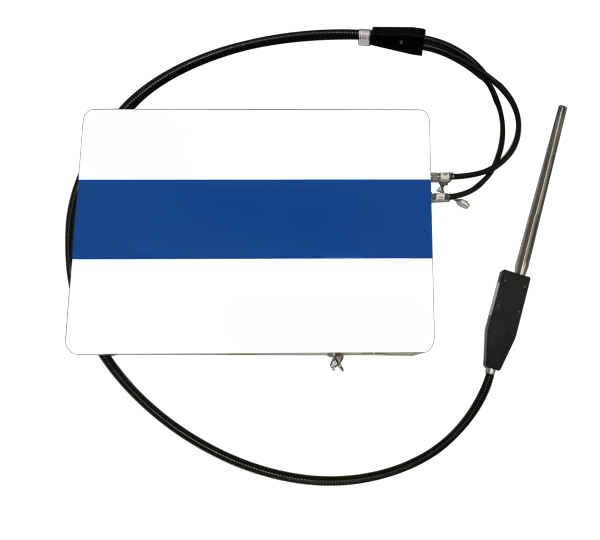
Fiber-optic spectrometers are a type of precision instrument that uses optical fibers as the optical signal transmission medium, combines spectroscopic technology and photoelectric detection technology, and realizes the analysis of parameters such as wavelength and intensity of optical signals. Their core advantage lies in breaking the "fixed optical path" limitation of traditional benchtop spectrometers, and achieving "long-distance, in-situ, and multi-channel" spectral detection through the flexible transmission capability of optical fibers.
Understanding a spectrometer's components and structure is essential when selecting one. Key parts include the light source, entrance slit, wavelength selector (grating or prism), and detector. Their configuration directly affects resolution, sensitivity, and application suitability. A high-quality detector improves weak signal measurement, while different wavelength selectors determine the measurable spectral range. Knowing each component's role helps you choose the right spectrometer for your needs.
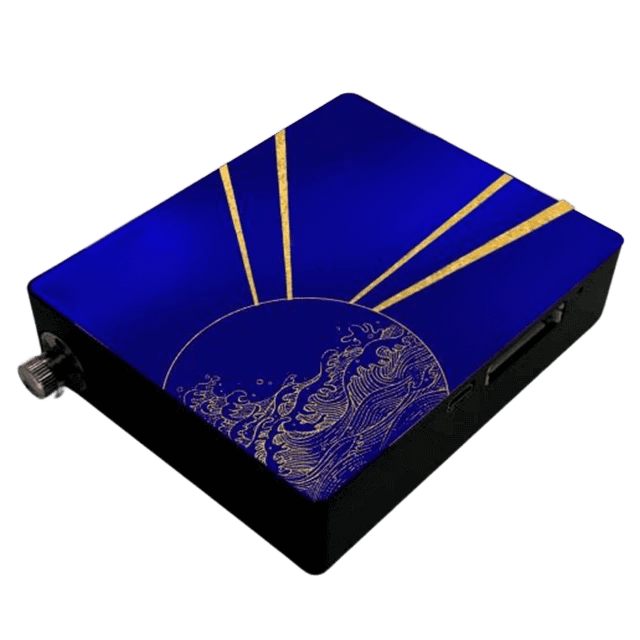
Sharp 2K Spectrometer
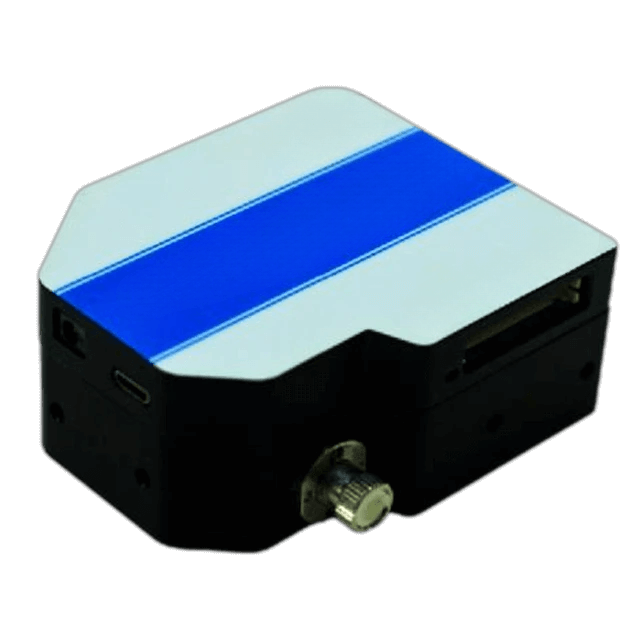
UltraSense 11K Spectrometer
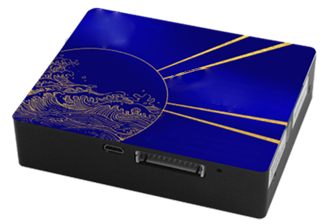
PixelMax 4K Spectrometer
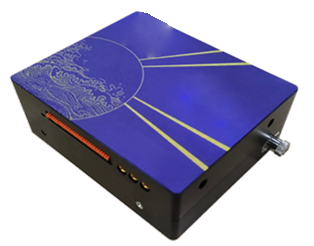
CloudSense IoT Spectrometer
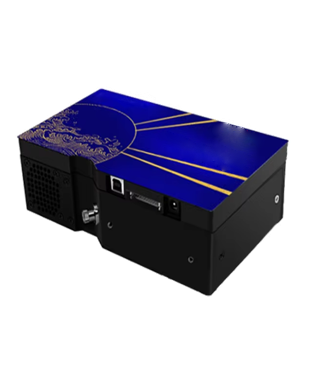
CoolMute TEC Spectrometer
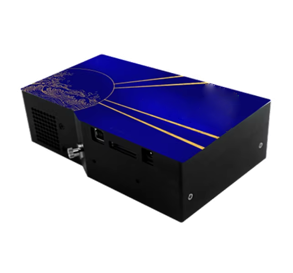
CryoRange Ultra Spectrometer
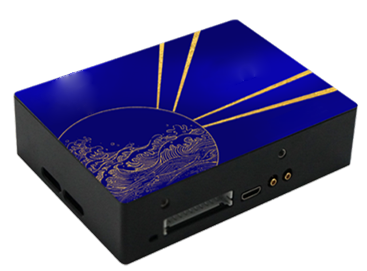
SharpGrip Spectrometer
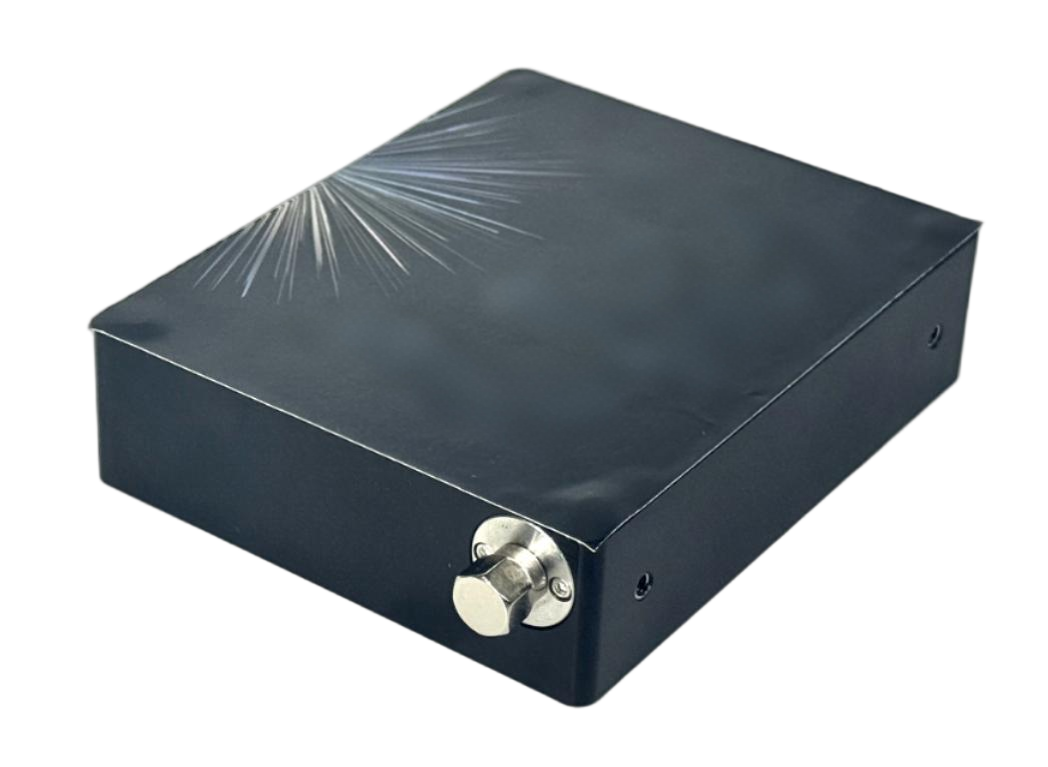
SensUVIS3 Spectrometer
Raman Systems
Raman spectroscopy systems are a class of analytical systems that, based on the Raman scattering effect, enable "fingerprint-level" identification of substance components, structures, crystal forms, and more by detecting the characteristic spectra generated by molecular vibration/rotational energy level transitions in substances. Their core value lies in "non-contact, non-destructive, and rapid qualitative and quantitative analysis".
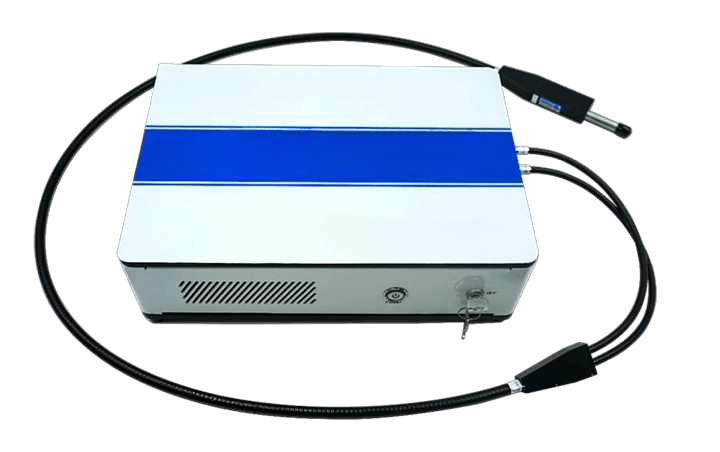
Raman Pocket Spectrometer
VenusLab R532 Raman Probe
Spectroscopy Systems
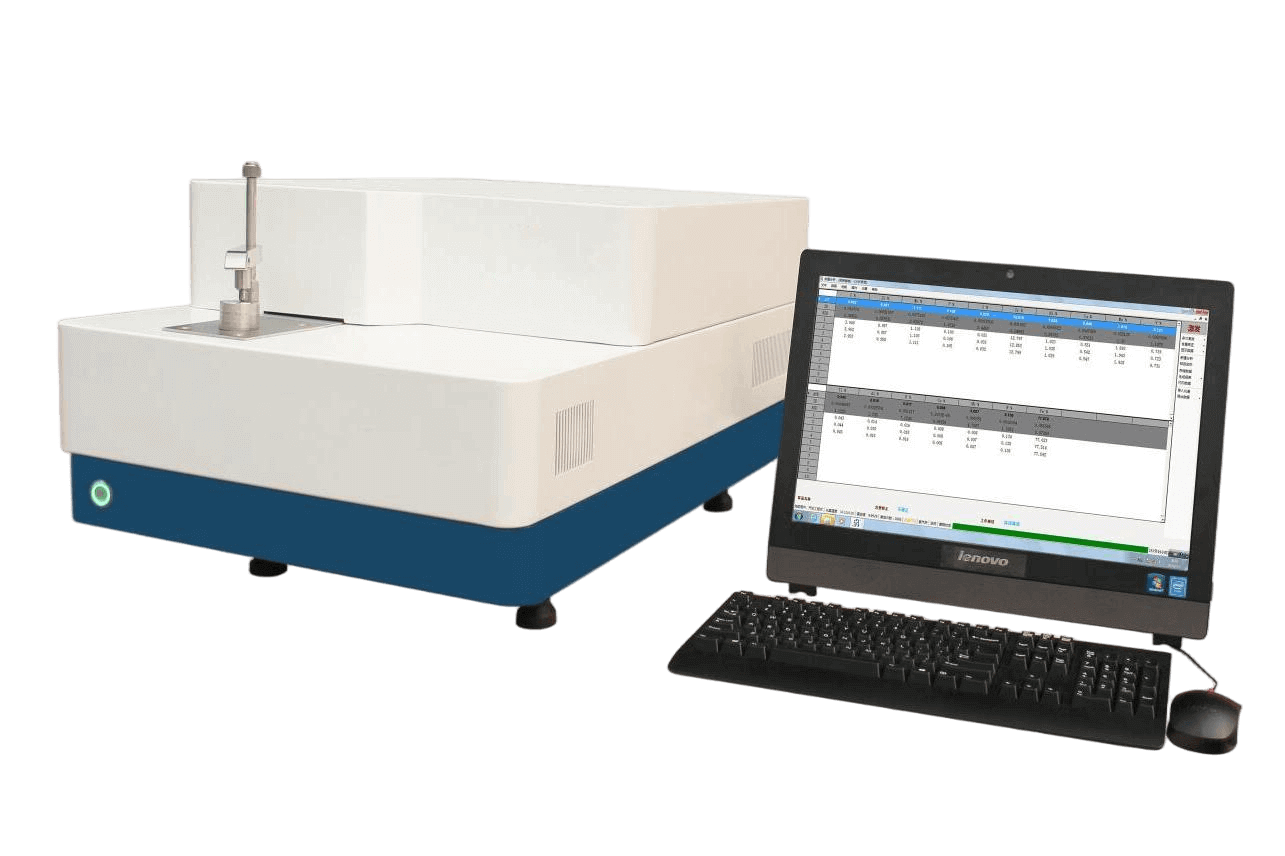
A complete spectroscopy system is an integrated and customized spectroscopic analysis solution. By systematically matching and optimizing light sources, sampling modules, spectrometer main units, data processing systems, and auxiliary equipment (such as temperature control, pressure control, and automatic sampling devices), it forms a closed-loop detection system covering "optical signal excitation - acquisition - analysis - output".
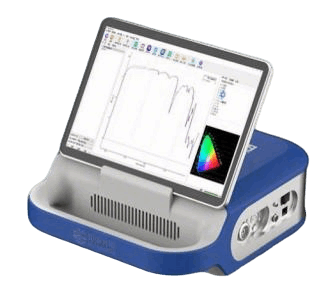
On-line Spectrometers
Online spectrometers are a type of real-time spectroscopic analysis equipment specifically designed for scenarios such as industrial production and environmental monitoring. Through the in-depth integration of spectral detection modules, on-site sampling systems, and automated control units, they achieve "in-situ, continuous, and unattended" component analysis and quality monitoring of target substances.