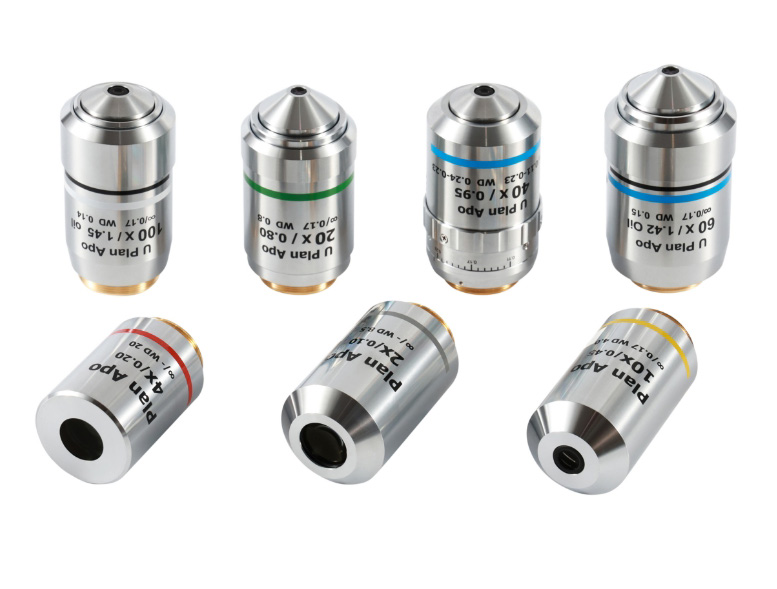
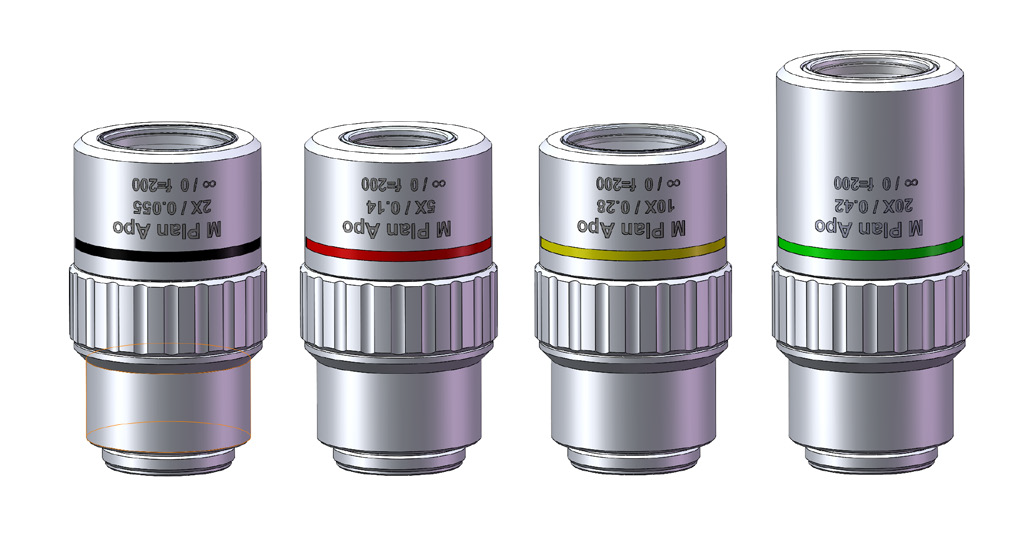
M Plan Apo Series Objectives
The core optical component for professional-grade brightfield imaging
- Ultra-long working distance design
- Apochromatic and flat-field correction
- High numerical aperture and high resolution
- Anti-reflective coating and broad spectral compatibility
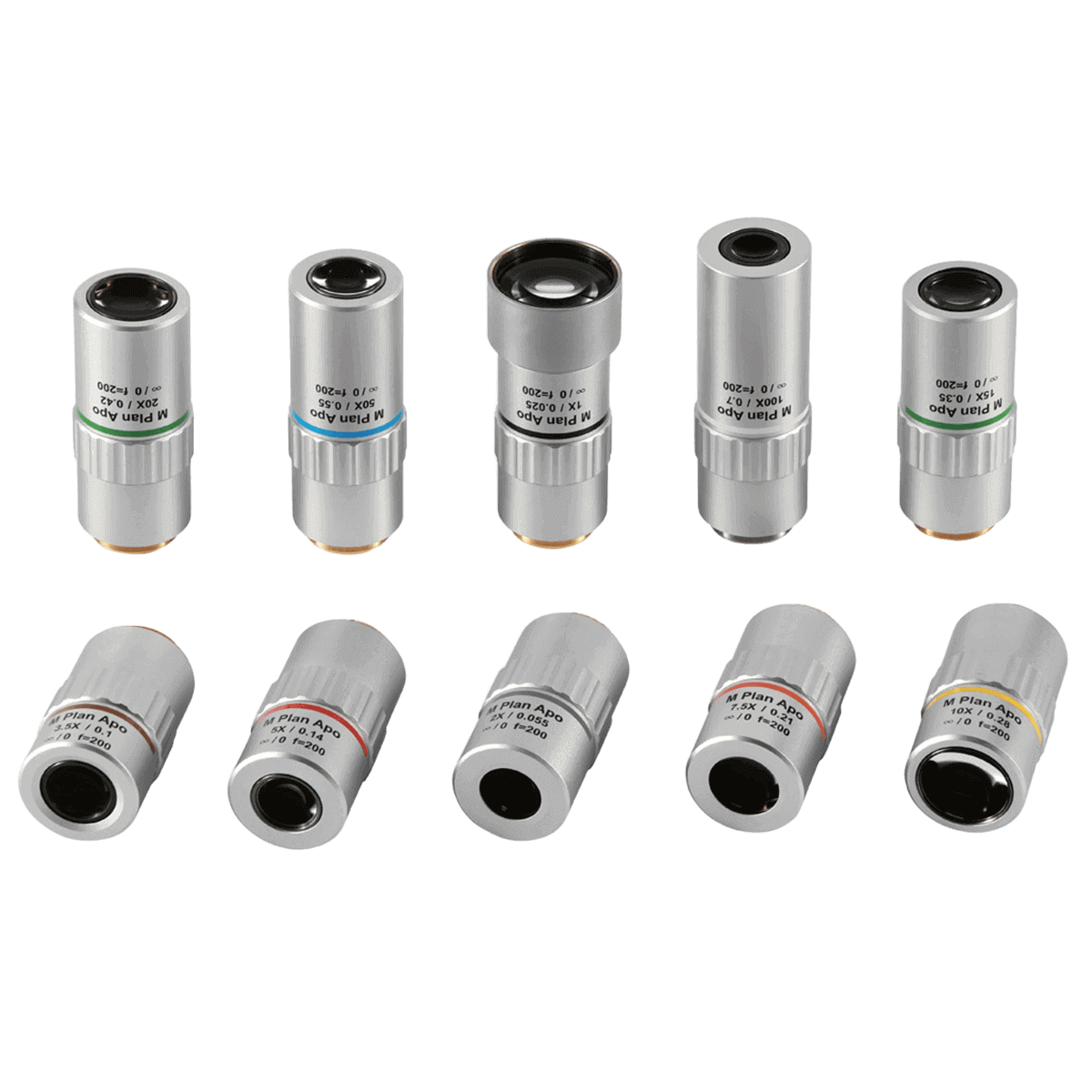
VL Plan Apo 1X
VL Plan Apo 2X
VL Plan Apo 3.5X
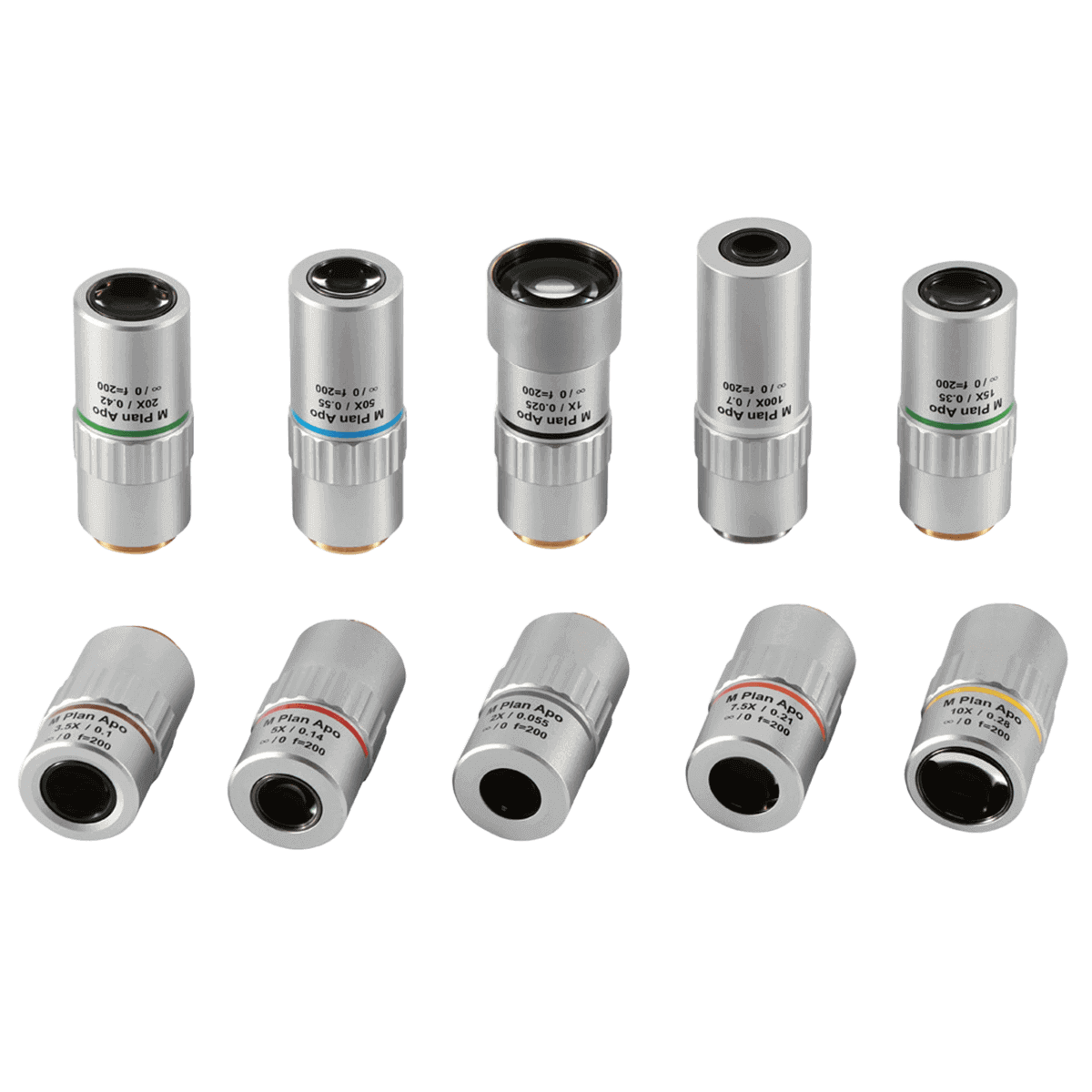
VL Plan Apo 5X
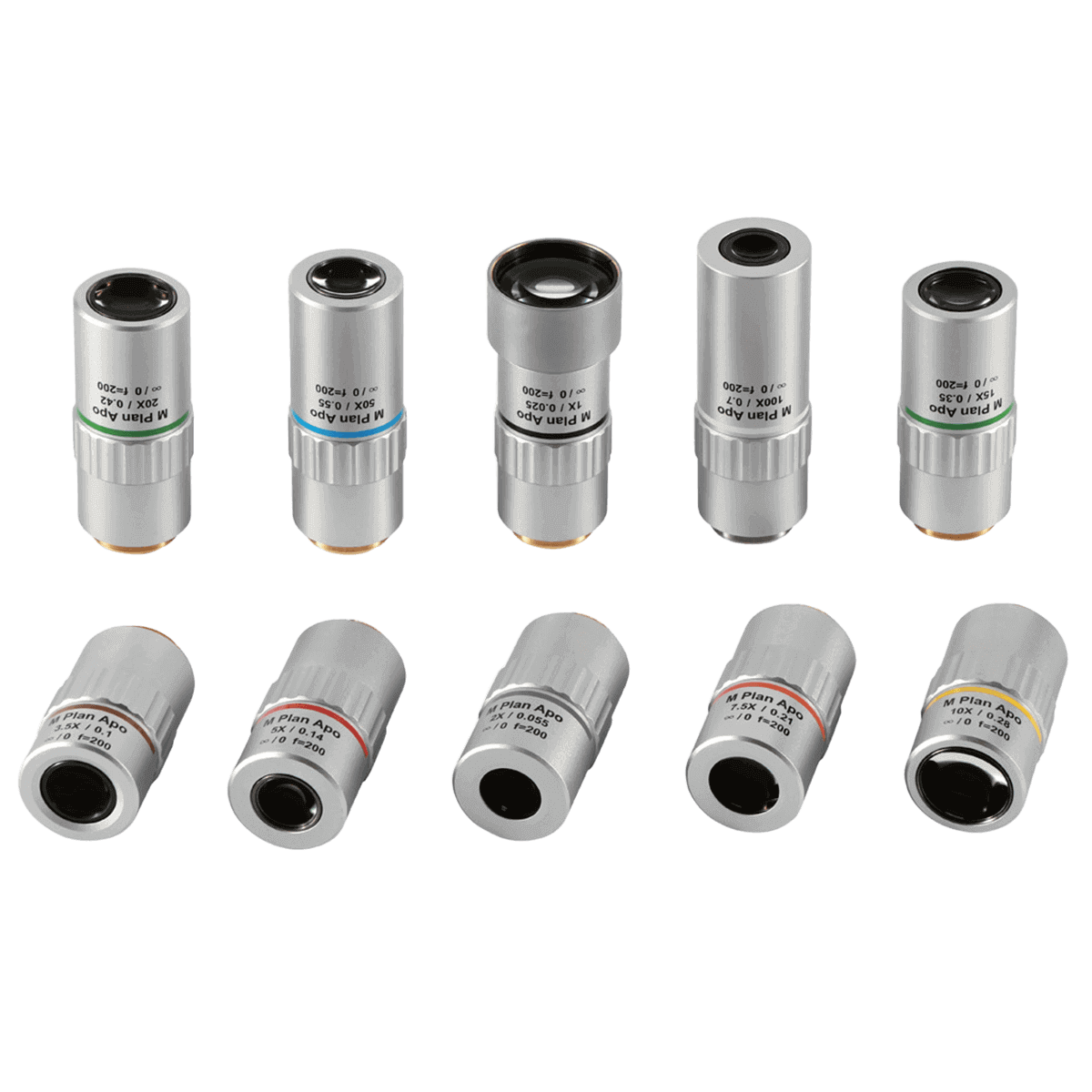
VL Plan Apo 7.5X
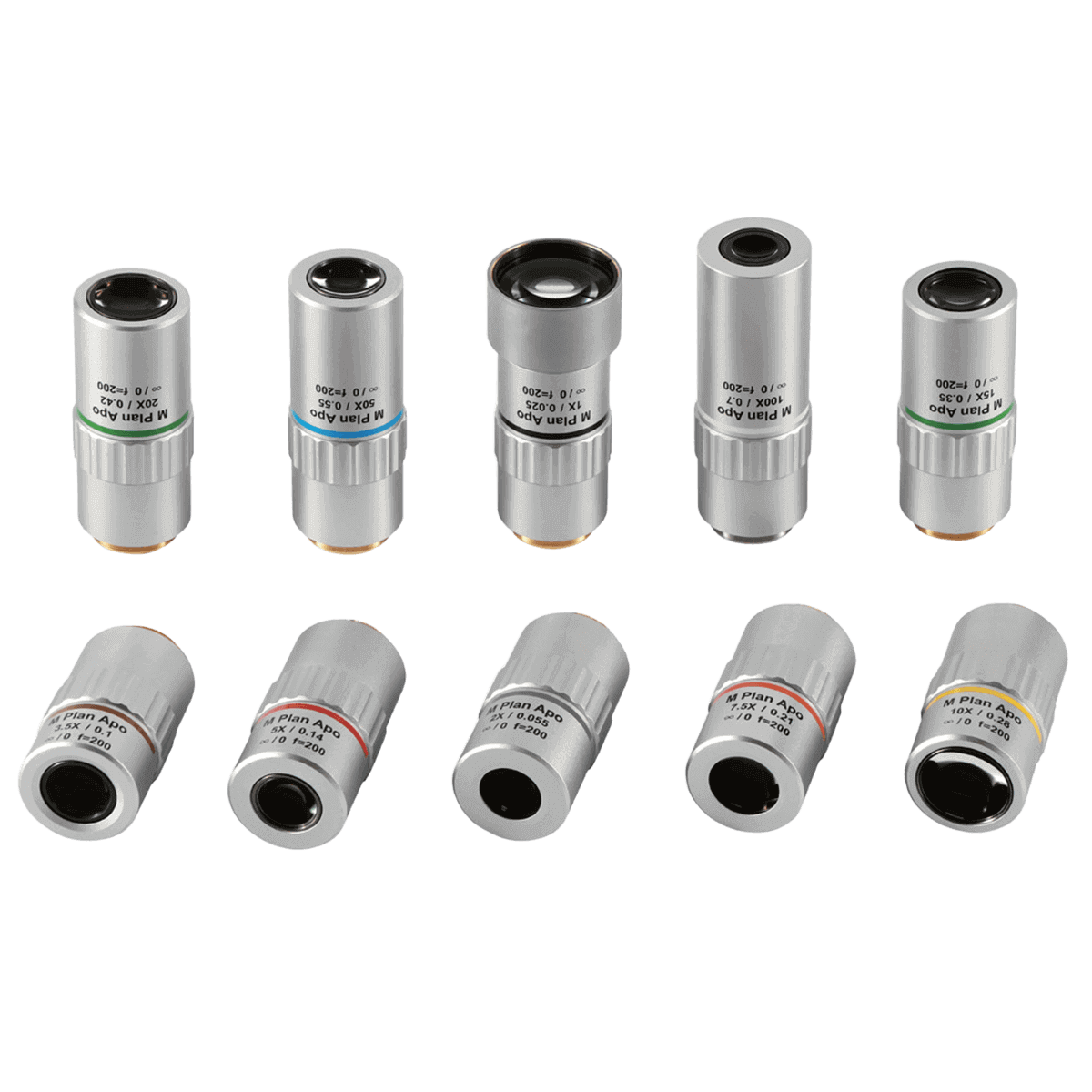
VL Plan Apo 10X
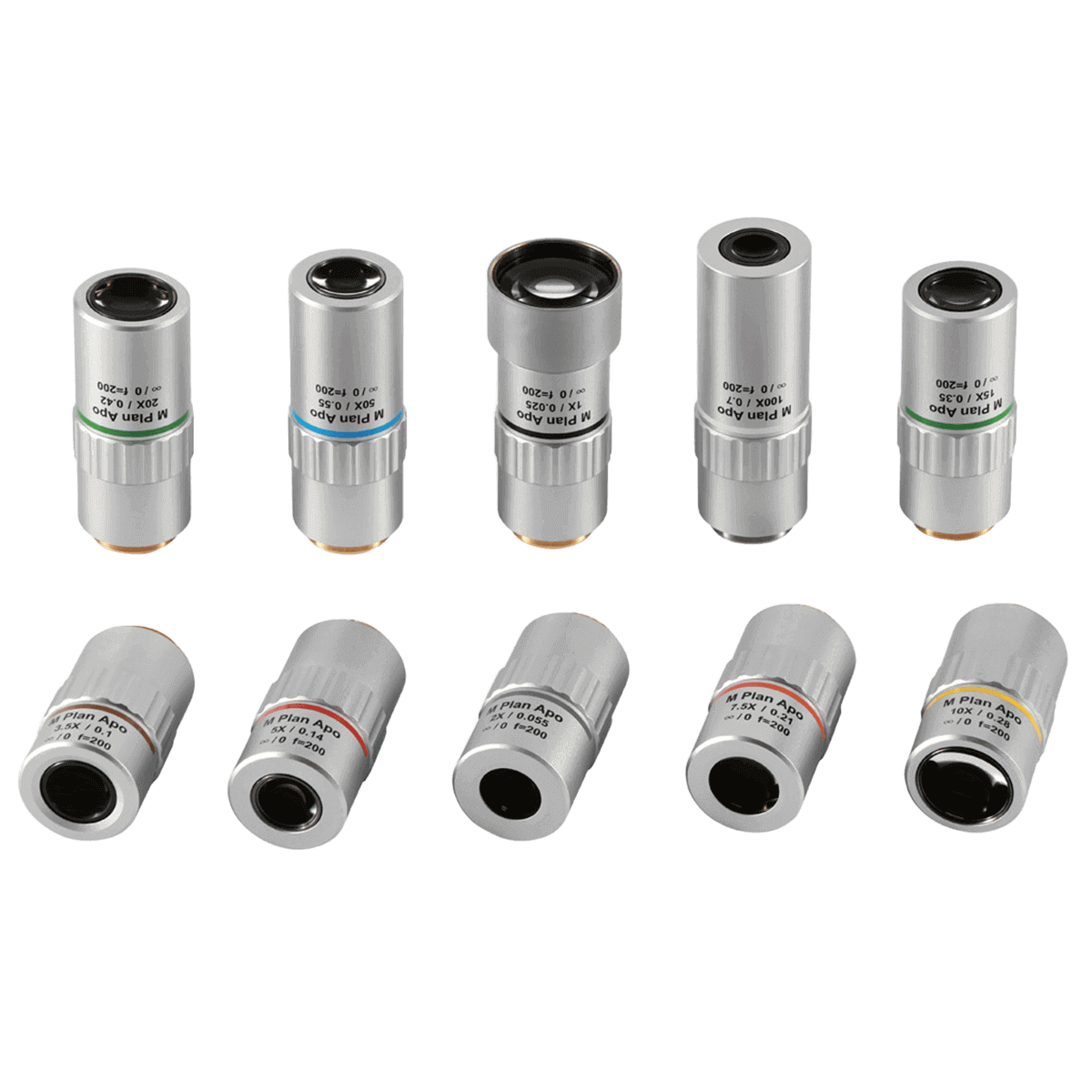
VL Plan Apo 15X
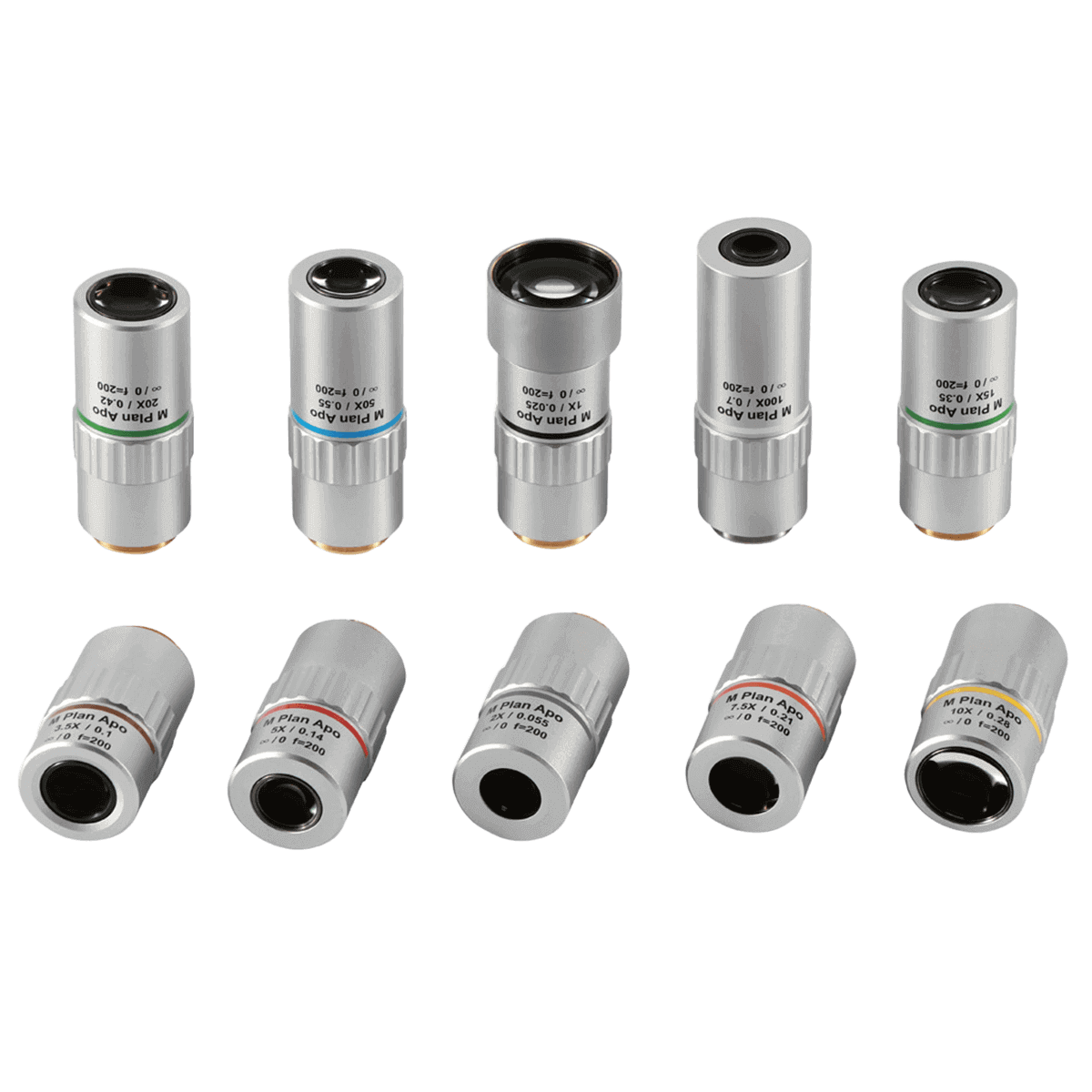
VL Plan Apo 20X
VL Plan Apo 50X
VL Plan Apo 100X
M Plan Apo HR Series Objectives
High-order brightfield imaging + quantitative analysis
- Super Apochromatic Global Correction
- Synergy of High NA and Ultra-Long Working Distance
- Multi-Band High-Contrast Imaging
- Extreme Environment Adaptability Design
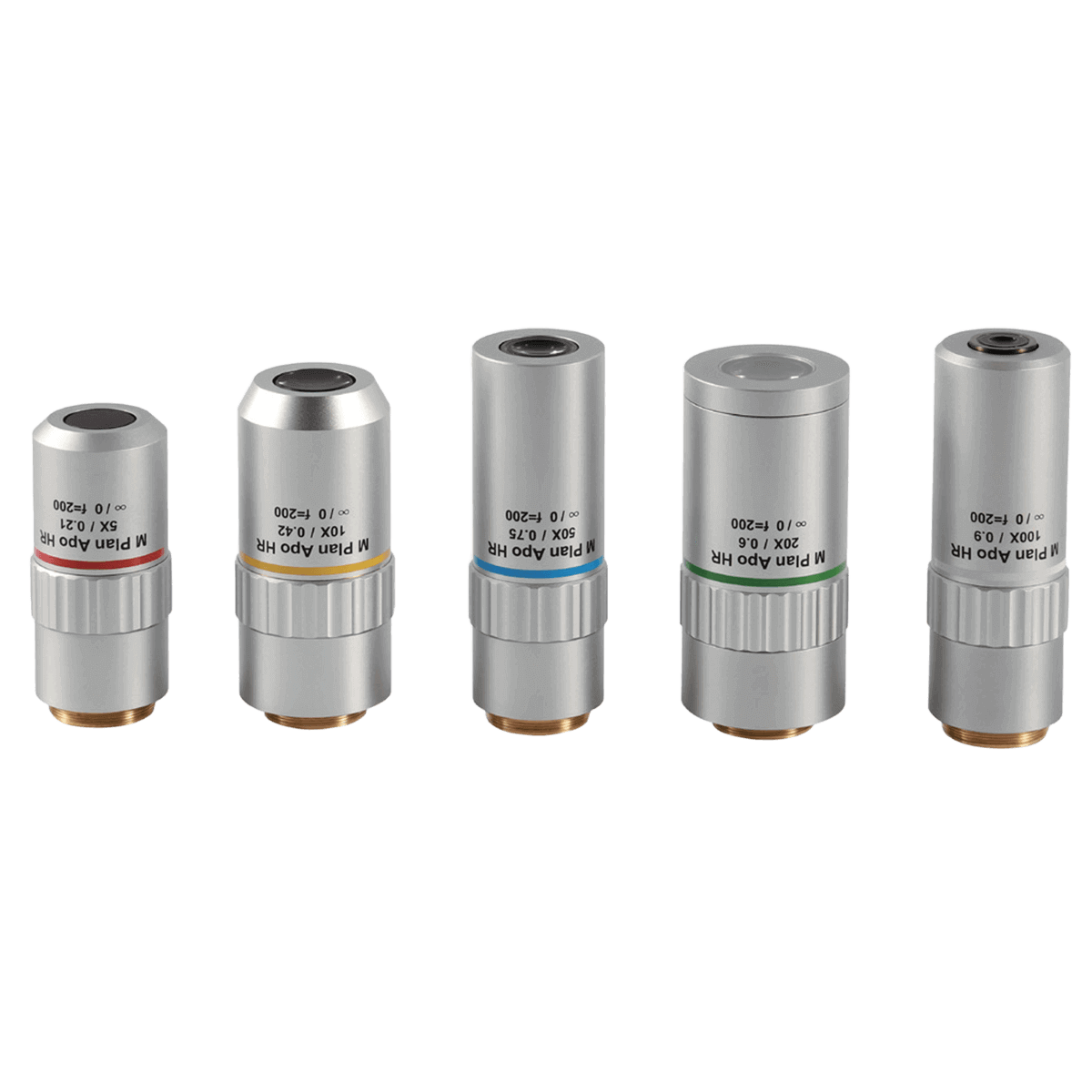
VL Plan Apo HR 5X
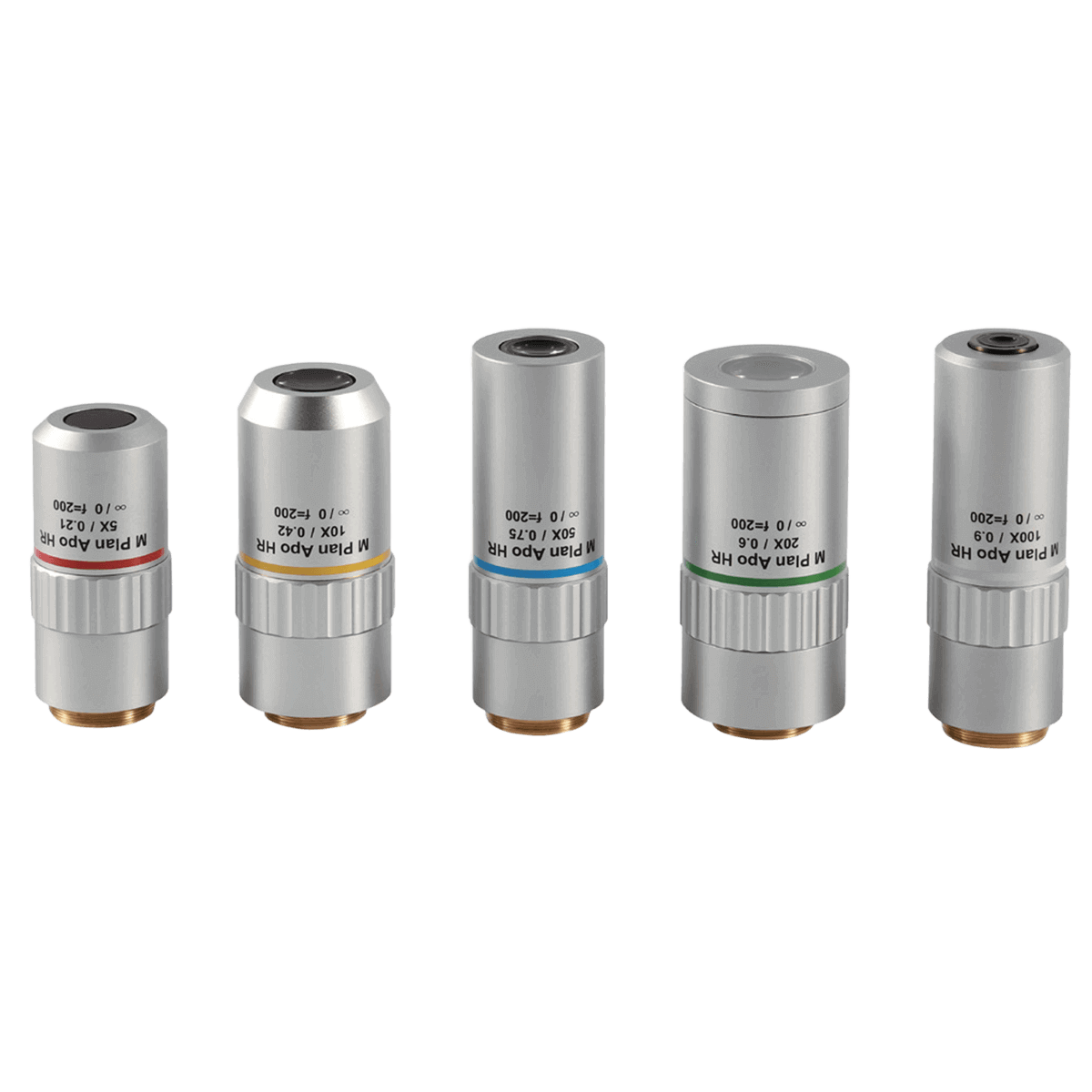
VL Plan Apo HR 10X
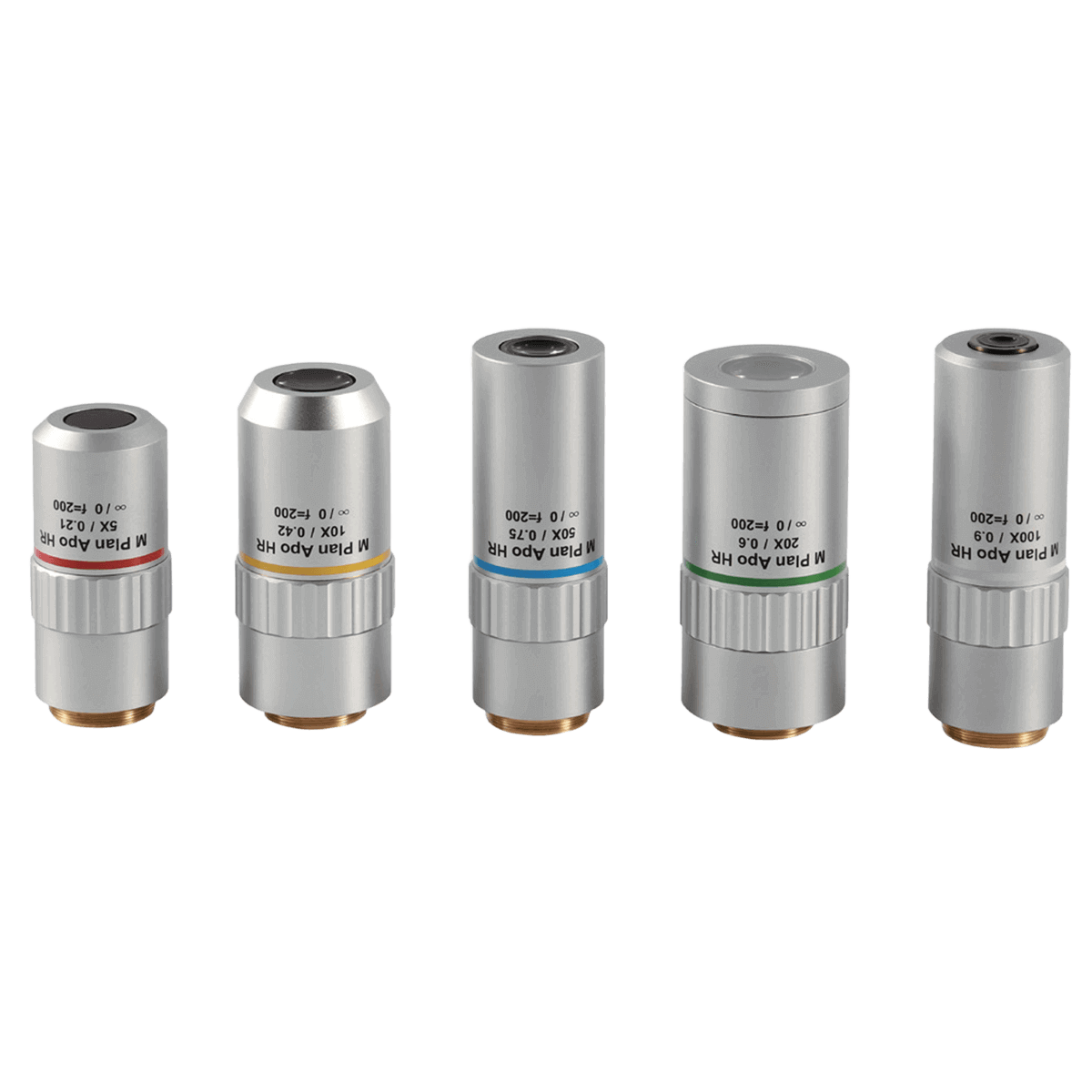
VL Plan Apo HR 20X
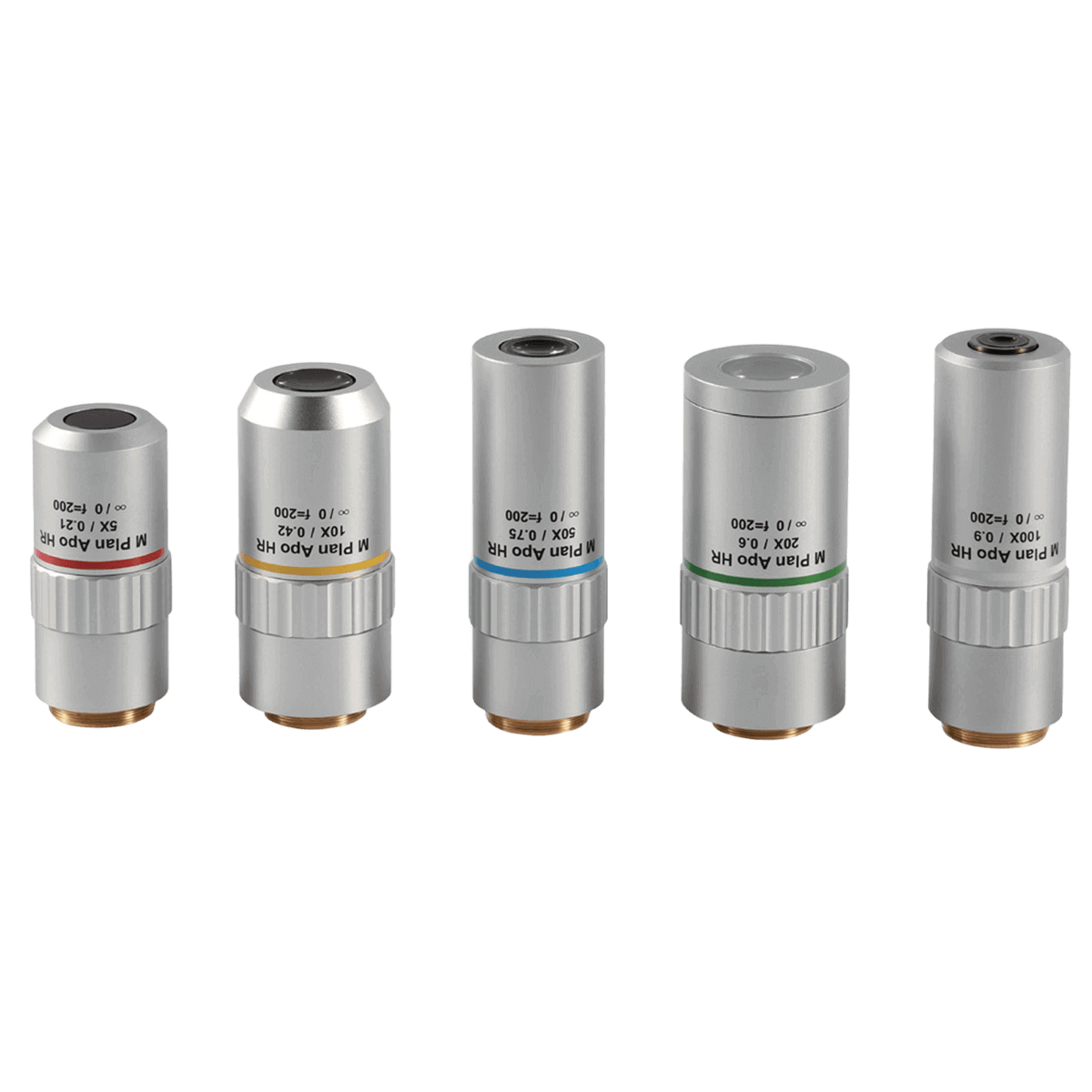
VL Plan Apo HR 50X
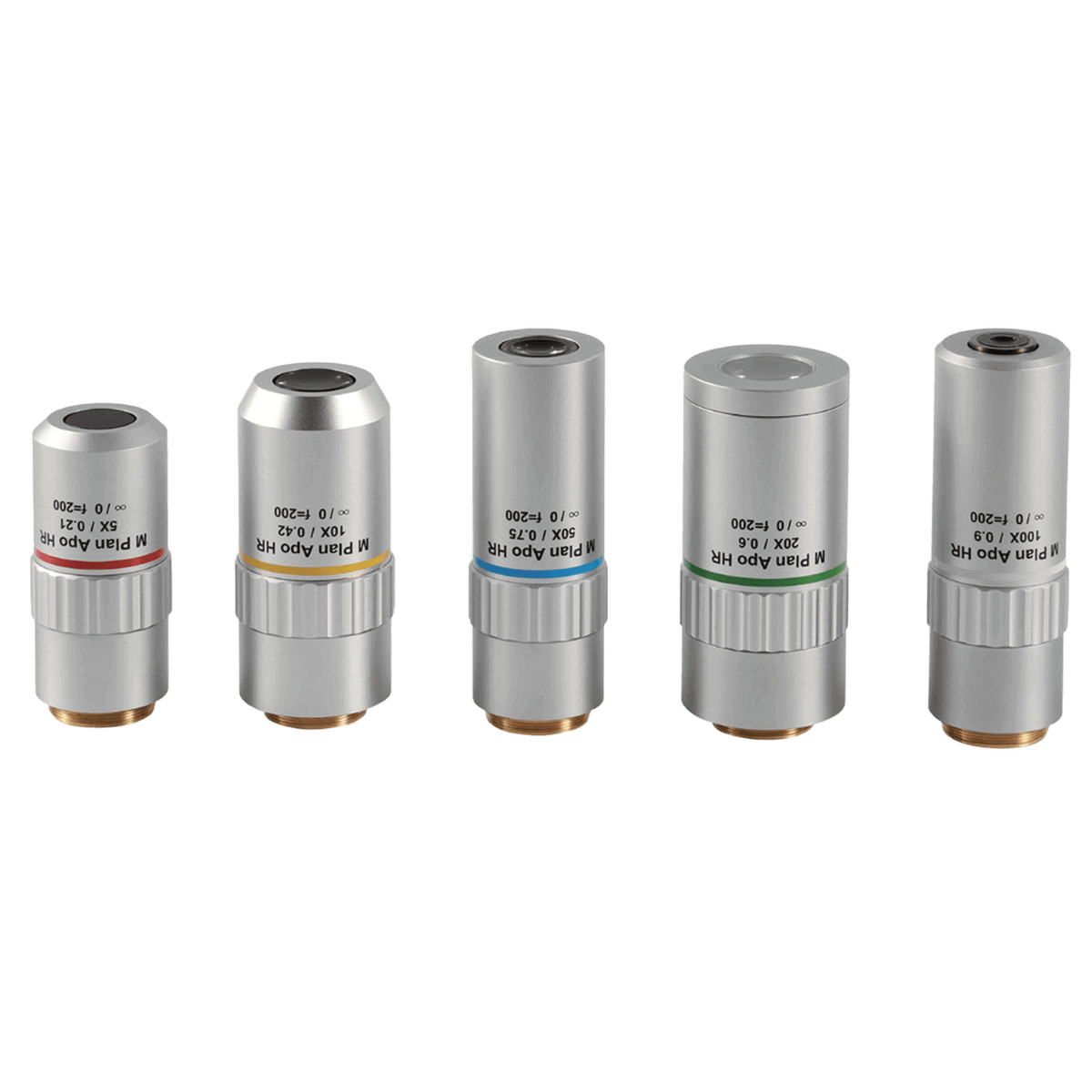
VL Plan Apo HR 100X
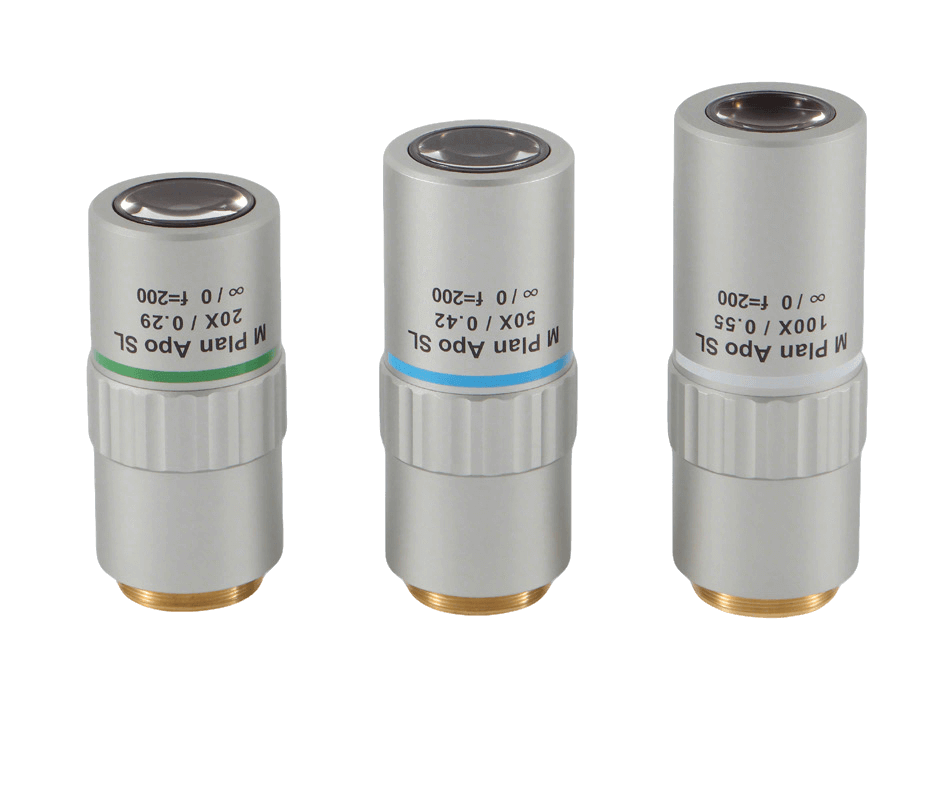
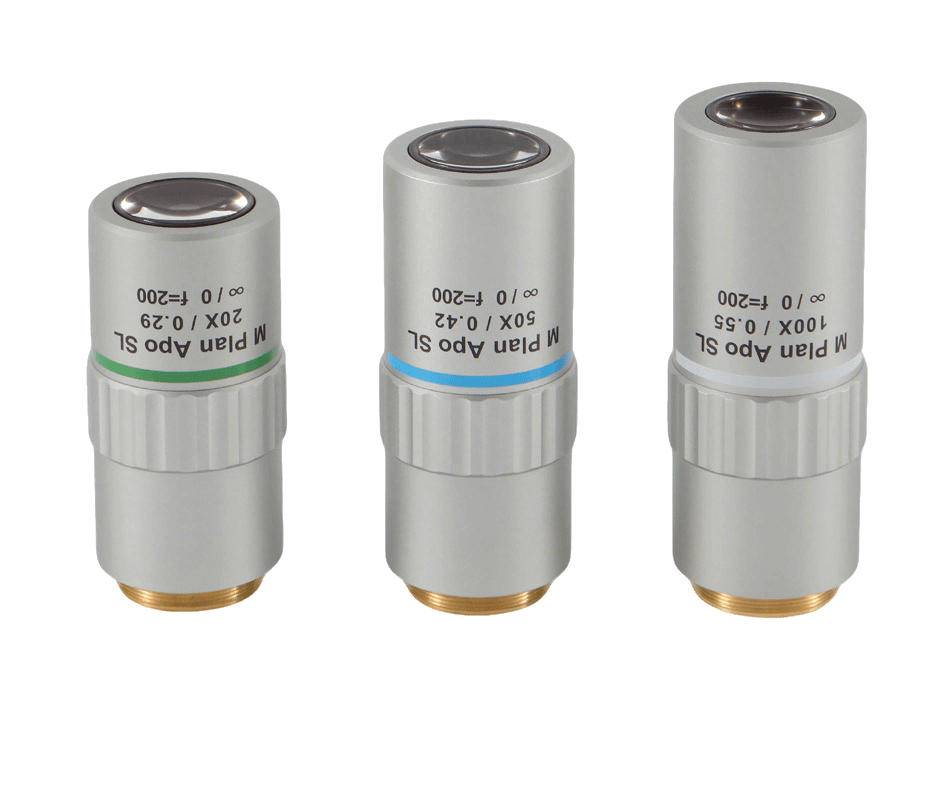
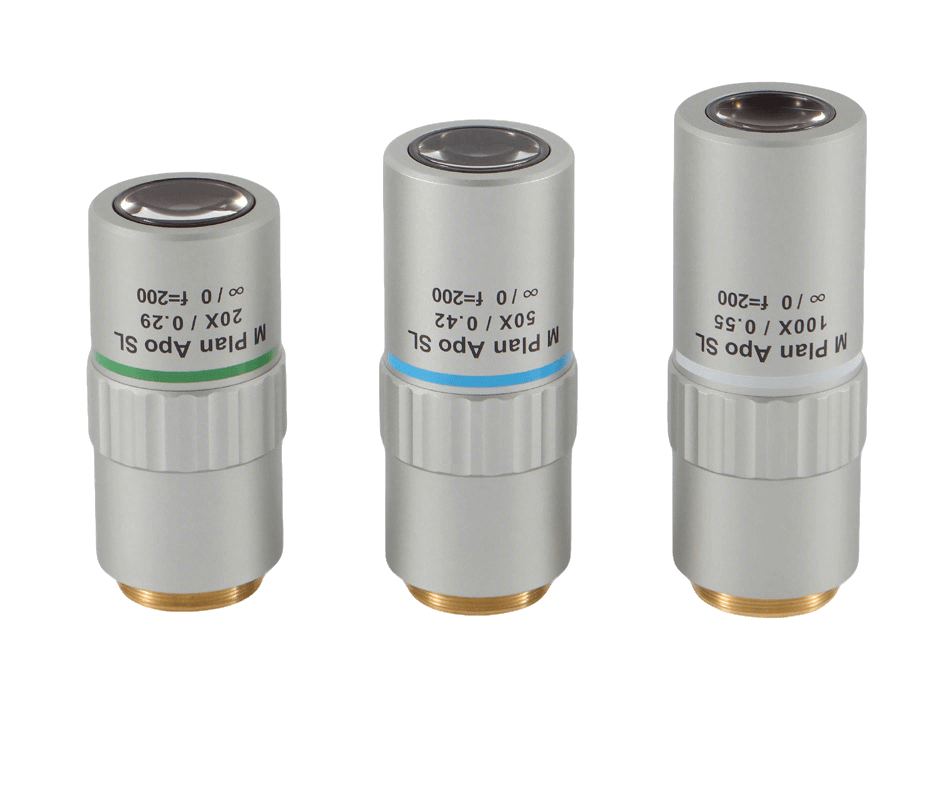
M Plan Apo SL Series Objectives
M Plan Apo SL is the "high-end configuration" in brightfield observation, widely used in industrial inspection, materials science, and quality control.
- Apochromatic (Apo): Precise correction of multiple wavelengths, achieving "zero deviation" in color
- Planar design (Plan): Clear viewing "from start to finish" across the entire field of view with a single lens
- Super-long working distance (SL): "Adequate space" for samples, enabling safer operation
- Optimized exclusive optical path for brightfield: Enhances "light-dark contrast" to make details more prominent
- Infinity correction system: Flexible optical path with strong expandability
- Visible light band adaptation (VL): Covers regular observation needs
M Plan Apo NIR/M Plan Apo NIR HR Series Objectives
Synergistic Innovation in Photopic and Near-Infrared Processing, widely used in scientific research, industrial inspection, and equipment integration.
- Ultra-long working distance ensures processing safety
- Near-infrared apochromatic high-definition imaging
- Sub-micron resolution for HR series
- Seamless collaboration between photopic and processing dual scenarios
- High stability to meet mass production needs
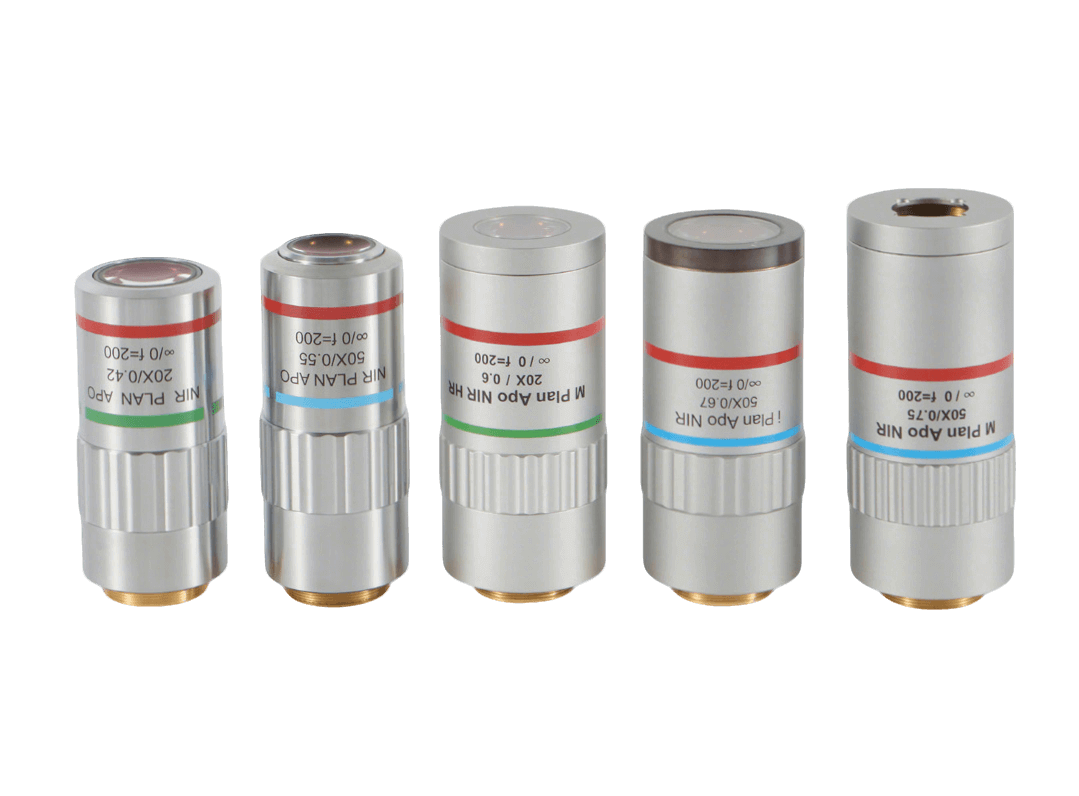
VL Plan Apo NIR 20X
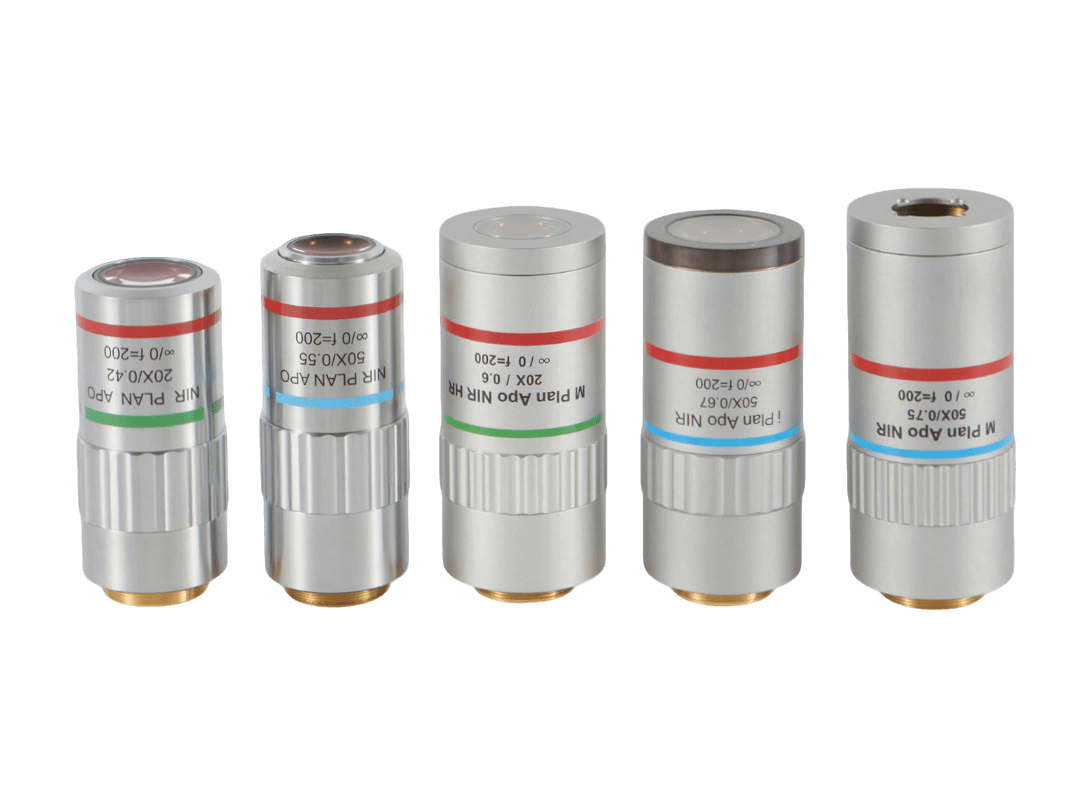
VL Plan Apo NIR 50X
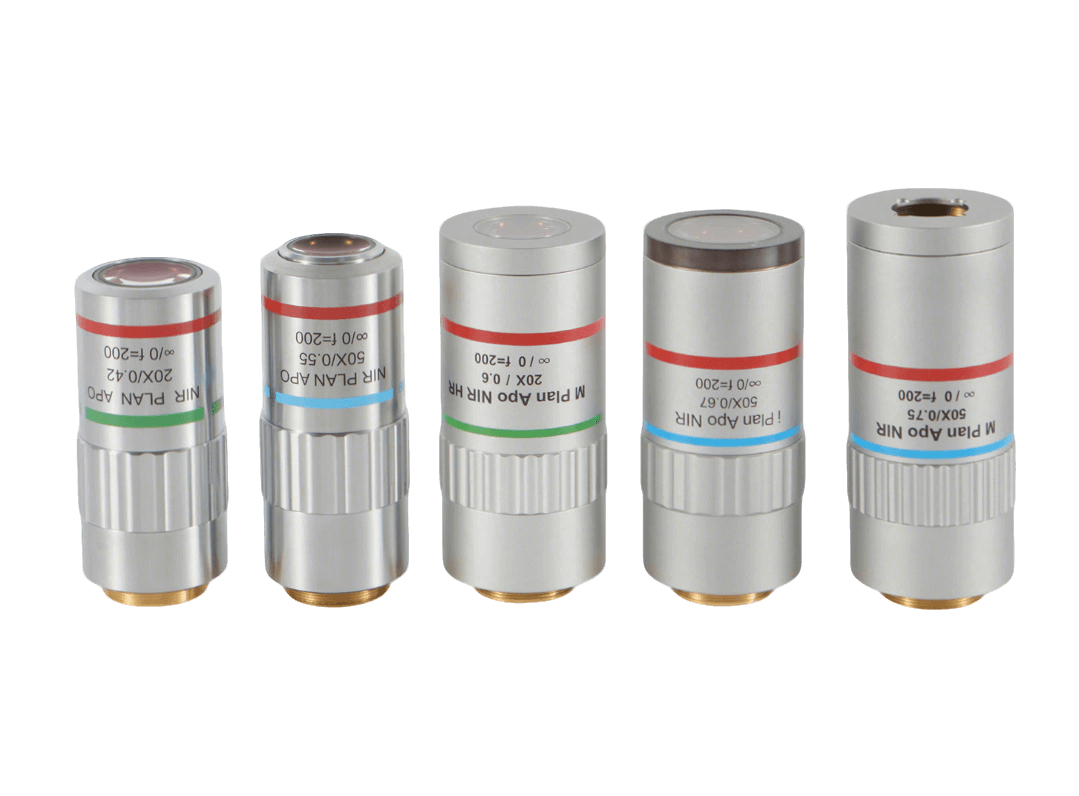
VL Plan Apo HR NIR 20X
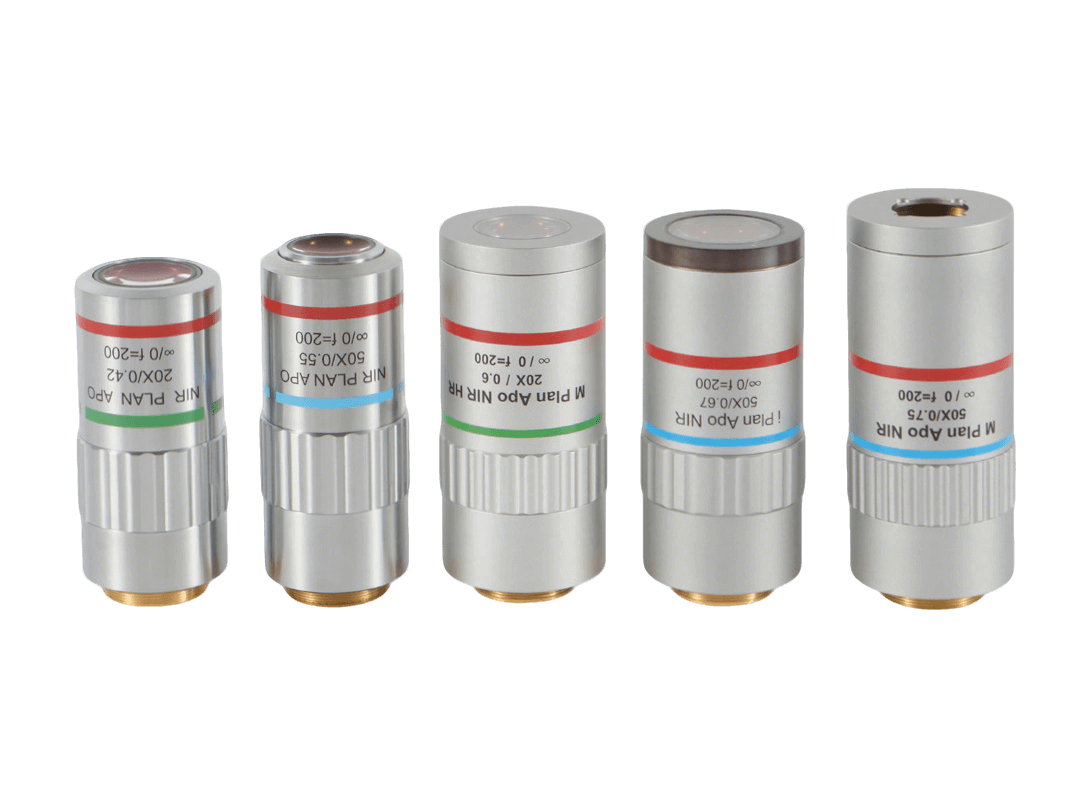
VL Ind Apo HR NIR 50X
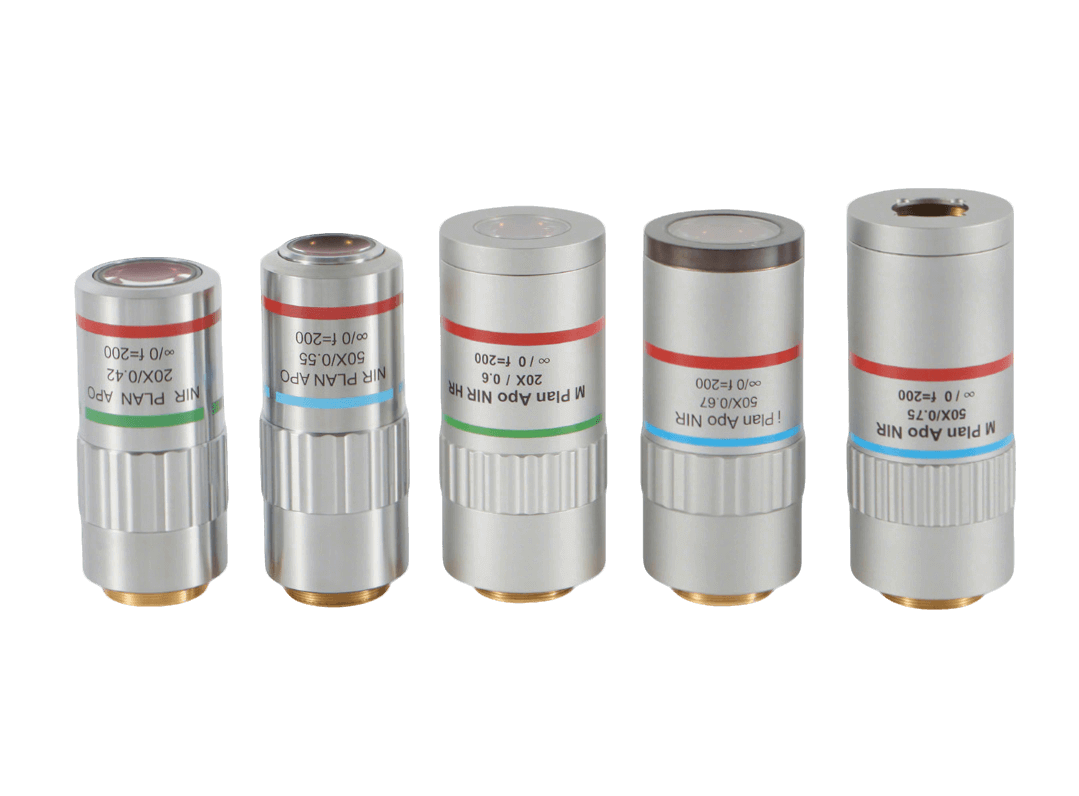
VL Plan Apo HR NIR 50X
LCD Plan Apo NIR Series Objectives
It is a high-end near-infrared objective exclusively for the liquid crystal industry.
• Optical correction: flat field + apochromatic, achieving "full-field precise imaging"
• Near-infrared exclusive: penetrating glass + compatible with laser processing
• Customized glass compensation: adapting to liquid crystal substrates of different thicknesses
• Long working distance + infinite correction: safer and more flexible operation
• Bright field optimization: sharp contrast, details "distinguishable at a glance"
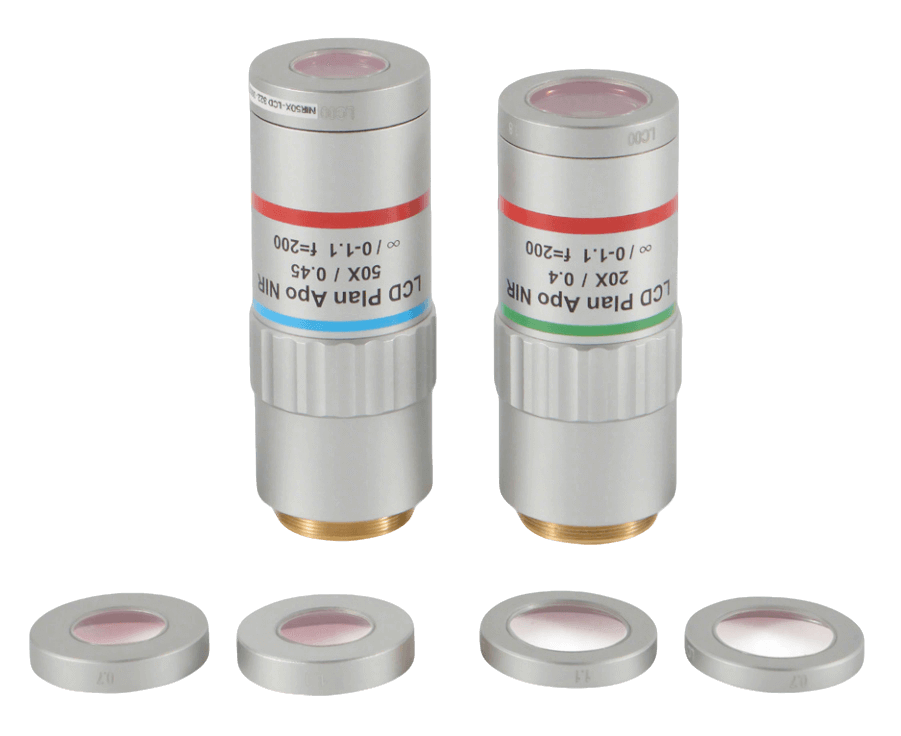
VL Plan Apo NIR 20X (t0)
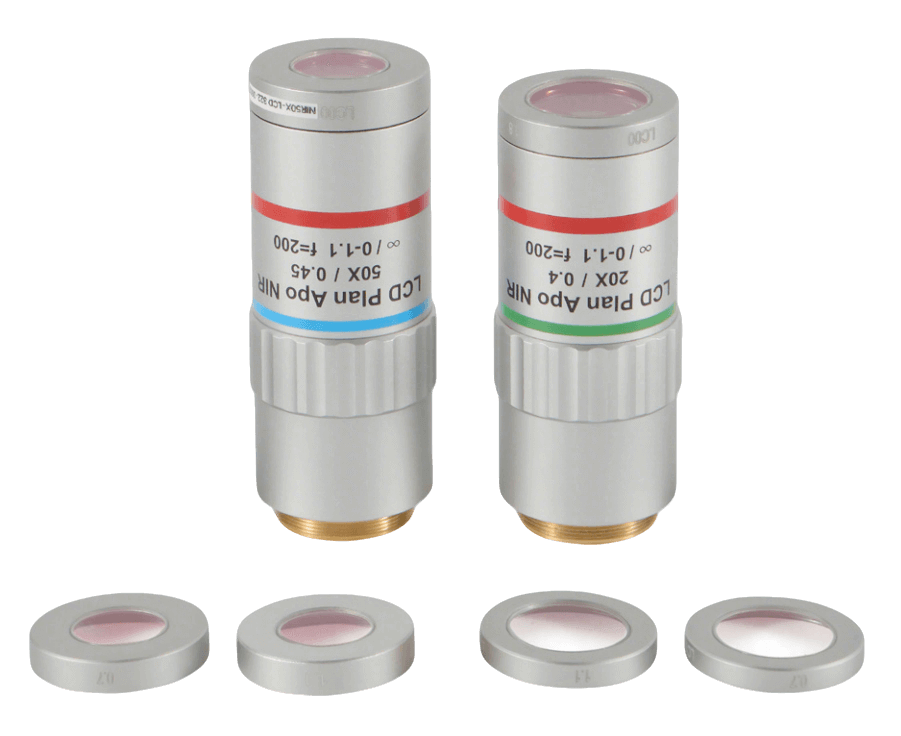
VL Plan Apo NIR 20X (t0.7)
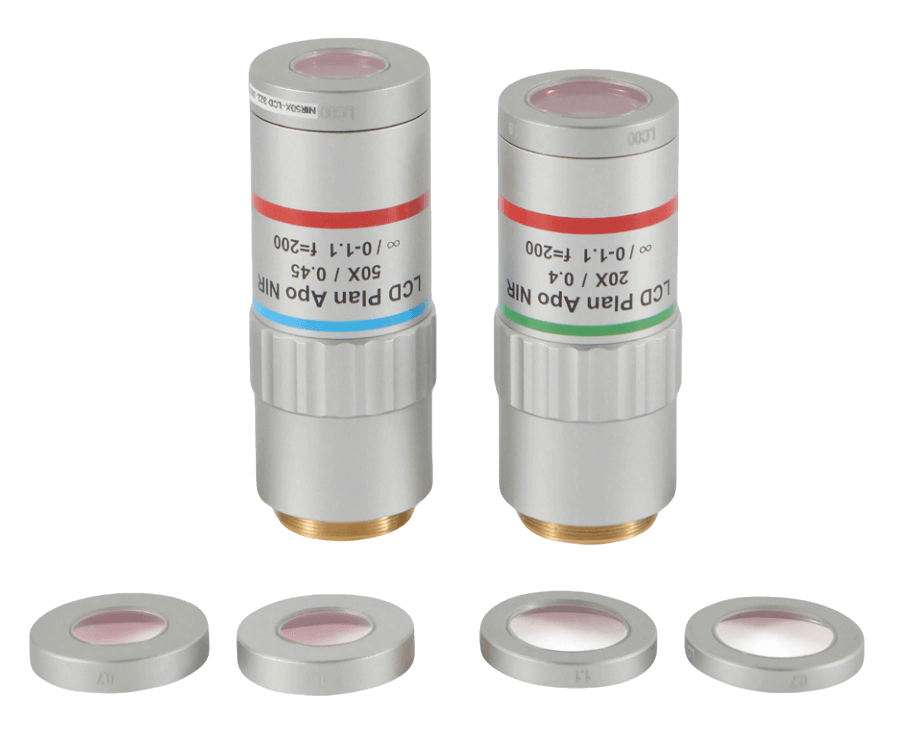
VL Plan Apo NIR 20X (t1.1)
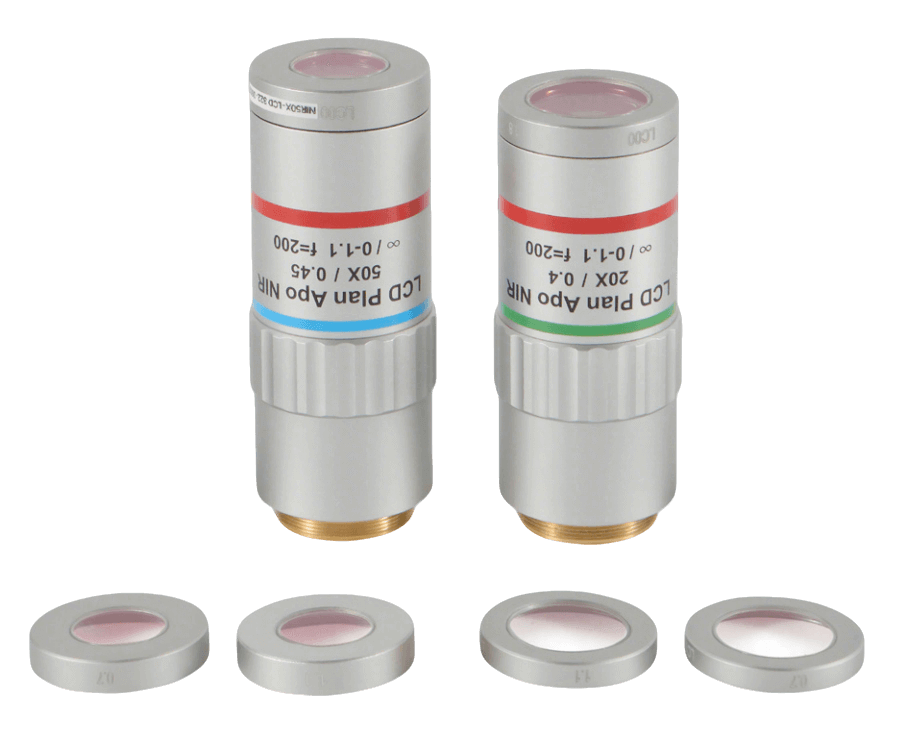
VL Plan Apo NIR 50X (t0)
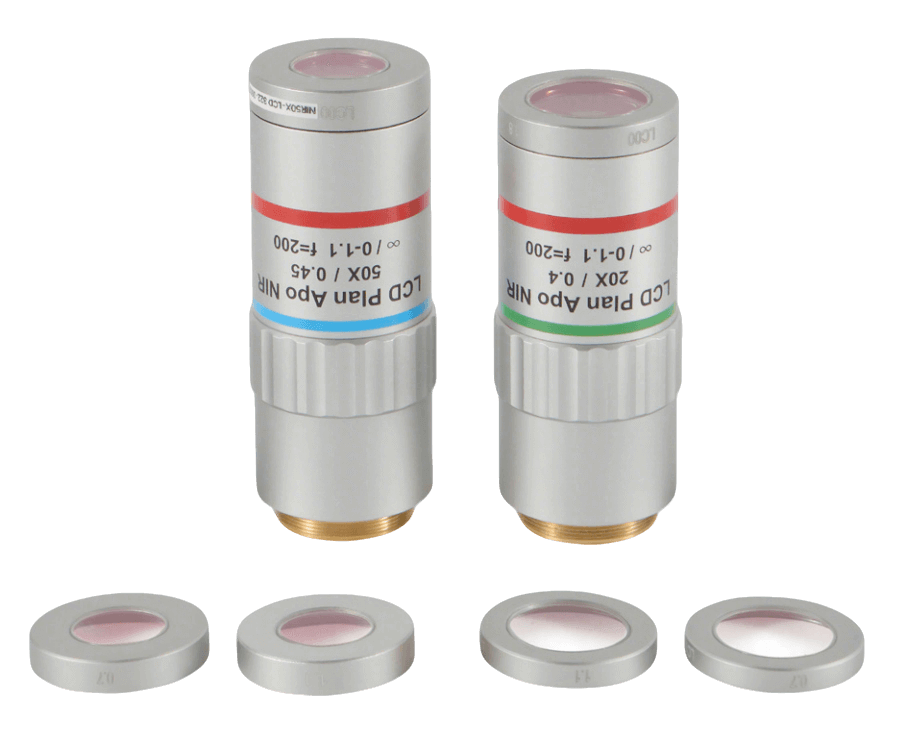
VL Plan Apo NIR 50X (t0.7)
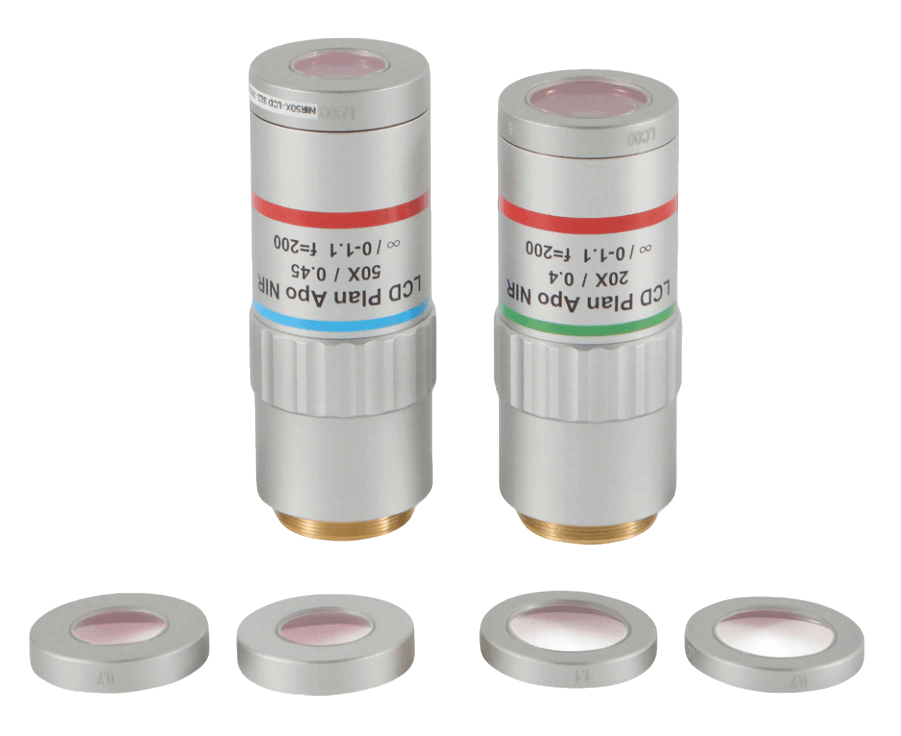
VL Plan Apo NIR 50X (t1.1)
LCD Plan Apo NUV Series Objectives
A high-end optical device designed for the manufacturing and repair of liquid crystal panels.
- UV apochromatic correction and high damage threshold
- Dynamic compensation for glass thickness and long working distance
- Coaxial optical path real-time closed-loop control
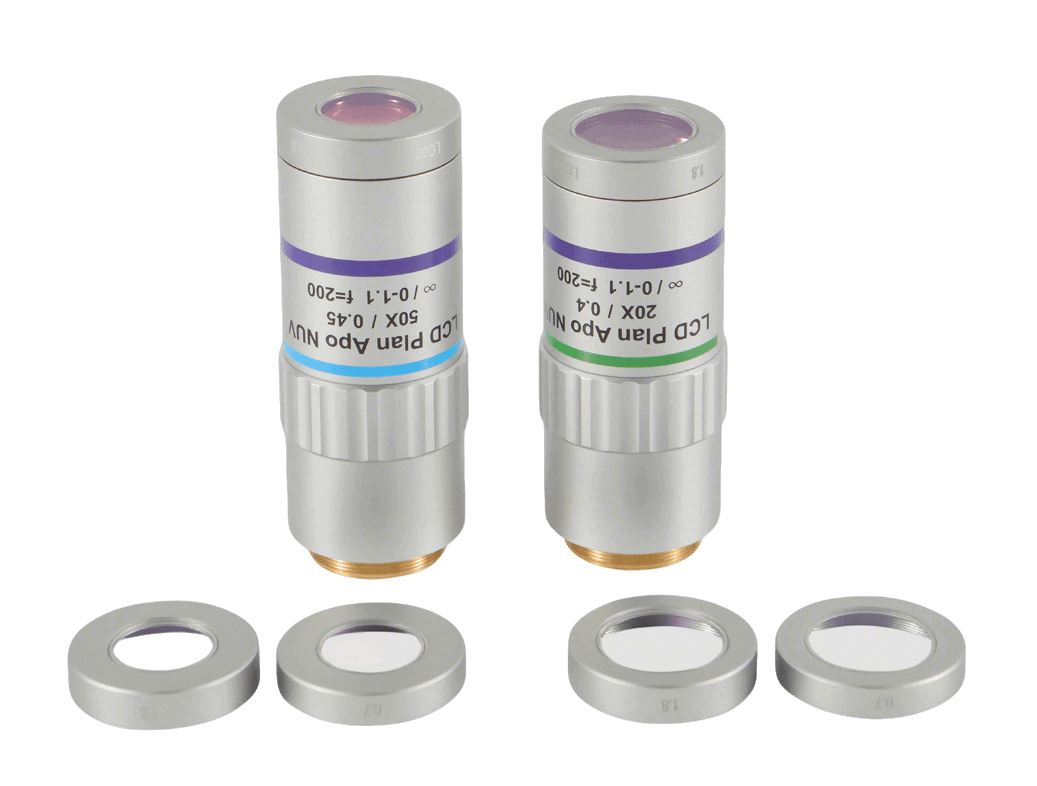
VL Plan Apo NUV 20X (t0)
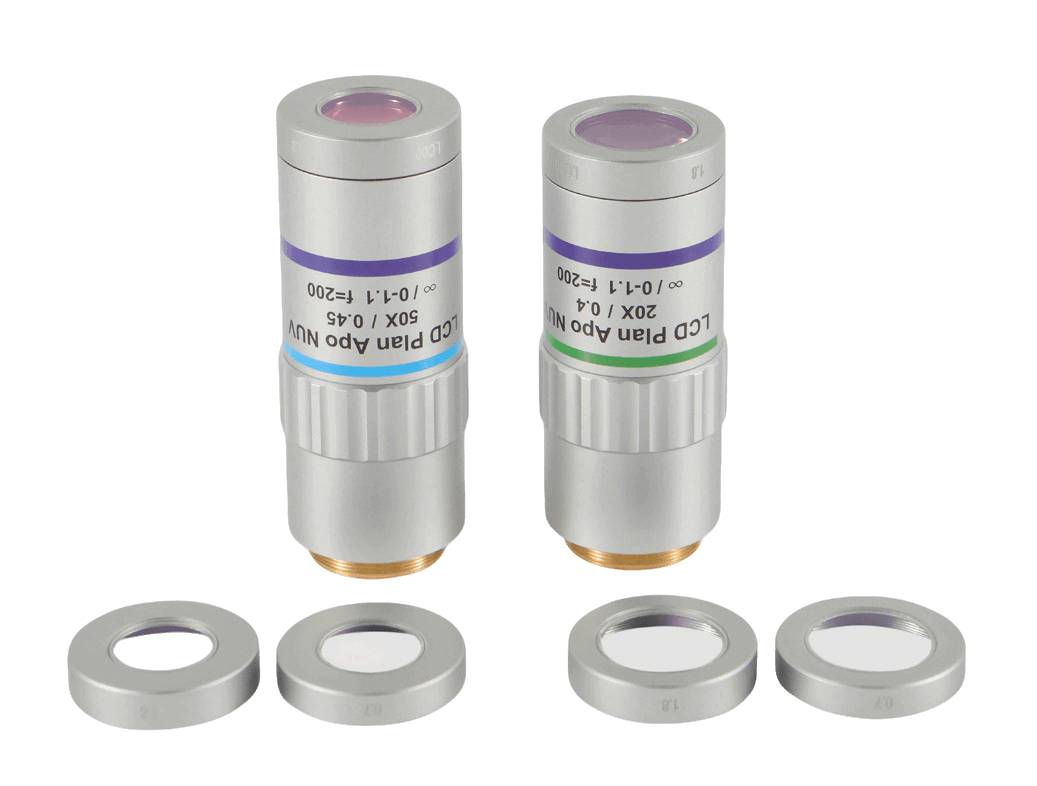
VL Plan Apo NUV 20X (t0.7)
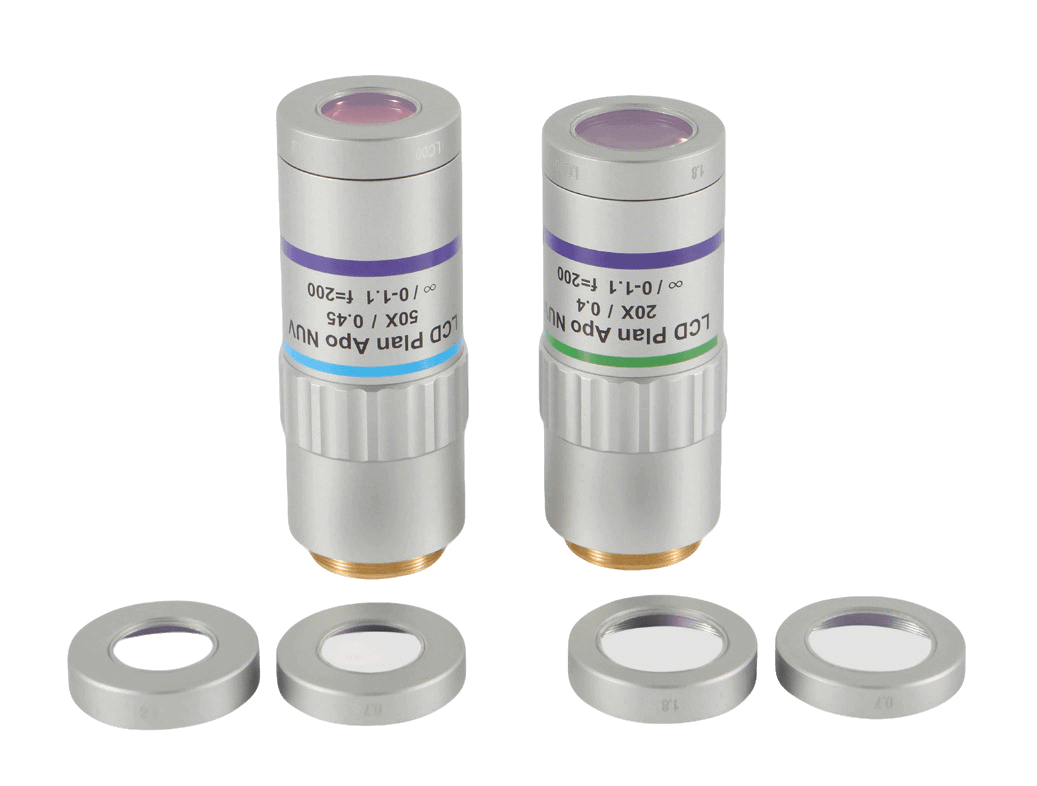
VL Plan Apo NUV 20X (t1.1)
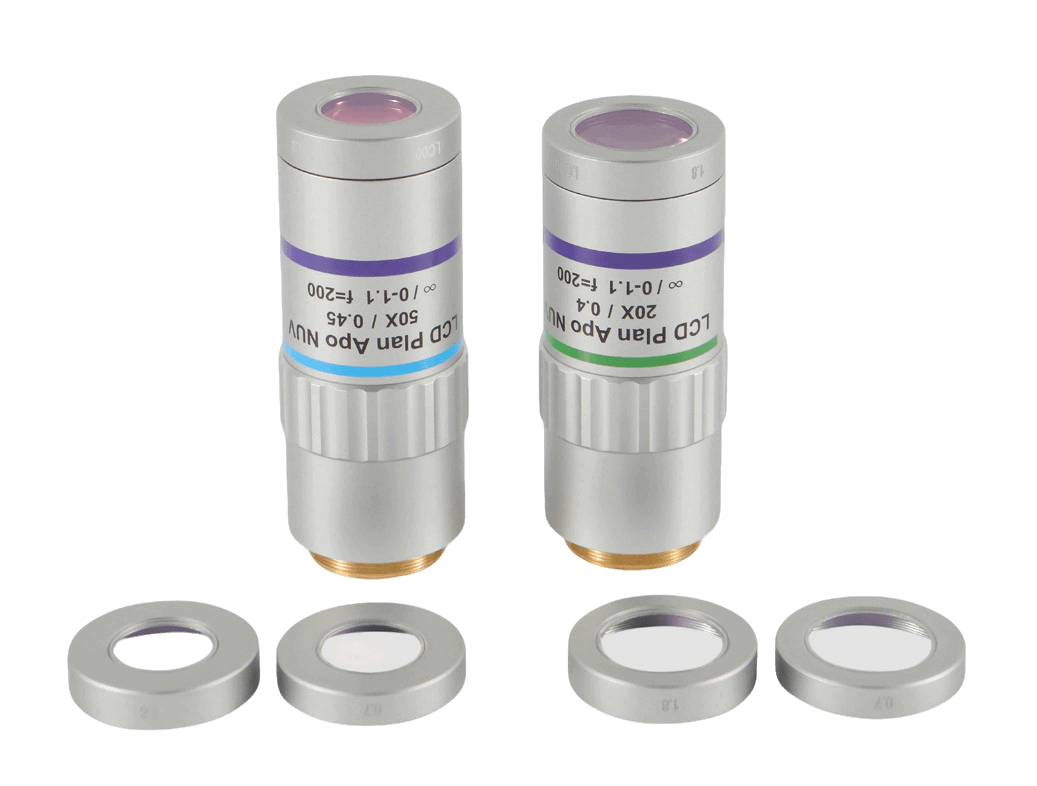
VL Plan Apo NUV 50X (t0)
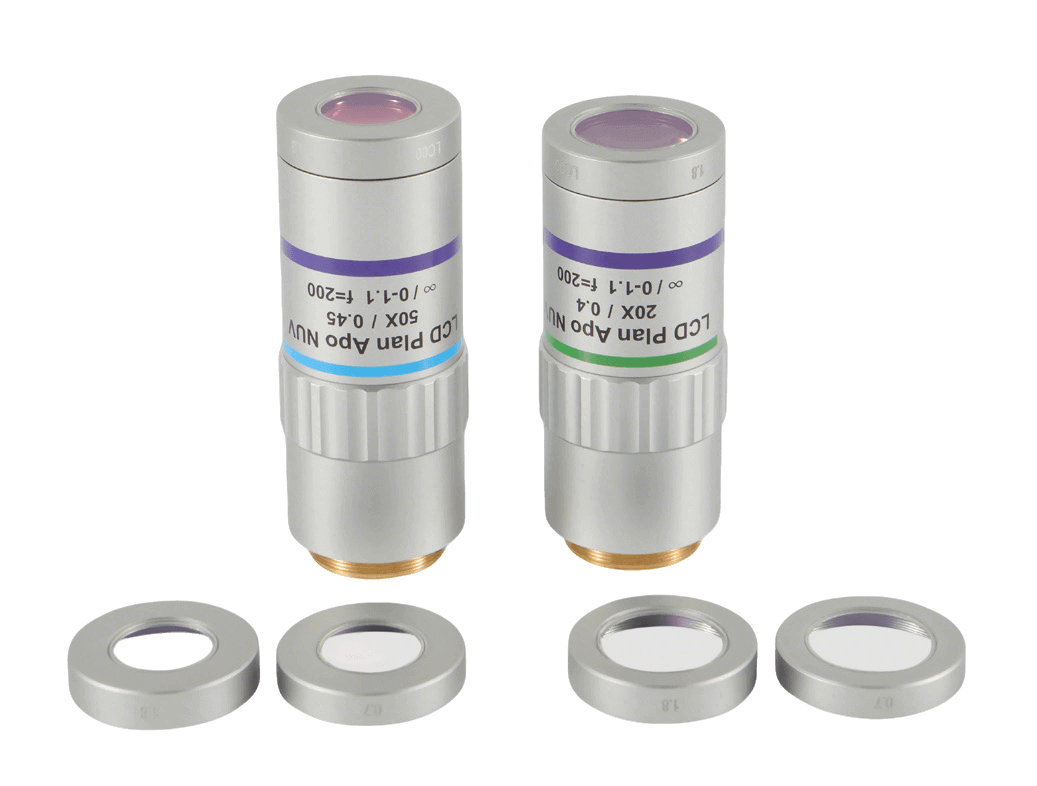
VL Plan Apo NUV 50X (t0.7)
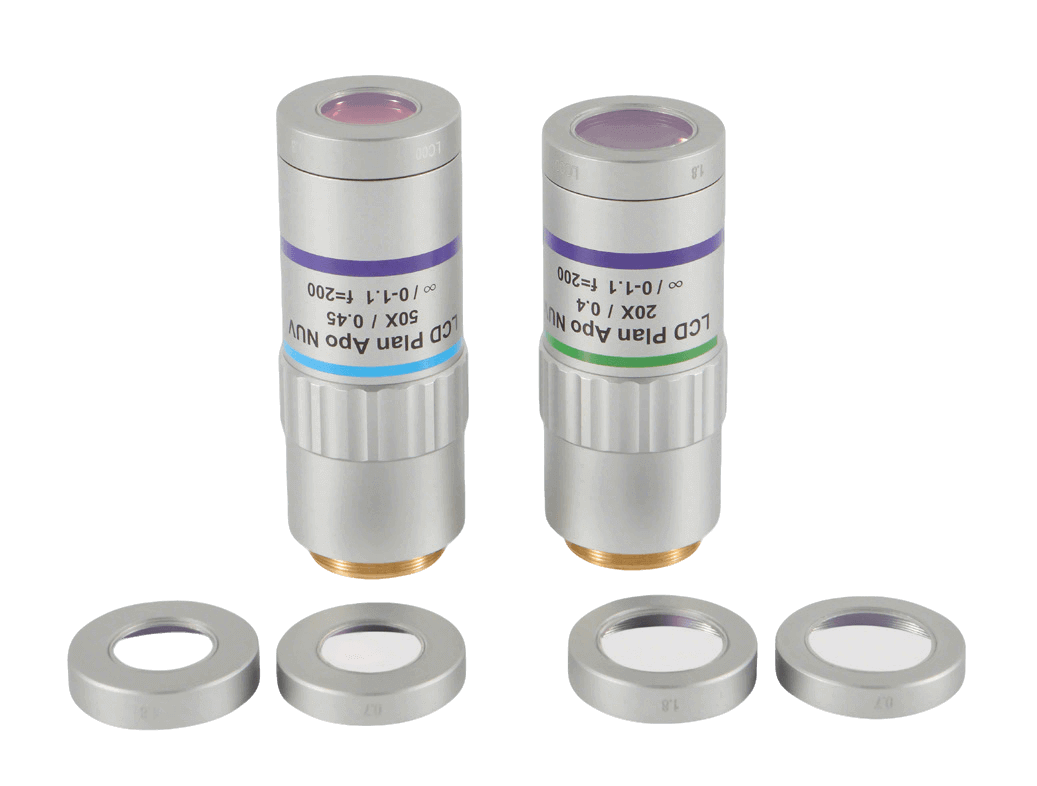
VL Plan Apo NUV 50X (t1.1)
M Plan Apo NUV/ M Plan Apo NUV HR Series Objectives
Infinity-Corrected Brightfield Flat-Field Apochromatic Objectives
• Full-band apochromatic correction: precise focusing from near-ultraviolet to visible light
• High numerical aperture of the HR version breaks through the resolution limit
• Design with long working distance and compatibility with laser processing
• Flat-field apochromatic design ensures clarity across the entire field of view
• Infinity correction and flexibility in system integration
• Environmentally friendly materials and adaptation to special scenarios
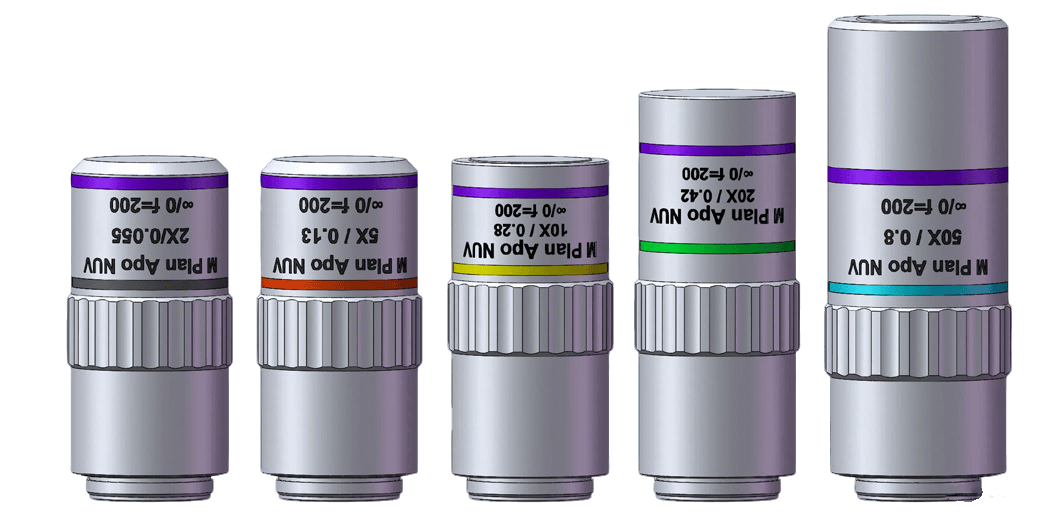
VL Plan Apo NUV 2X
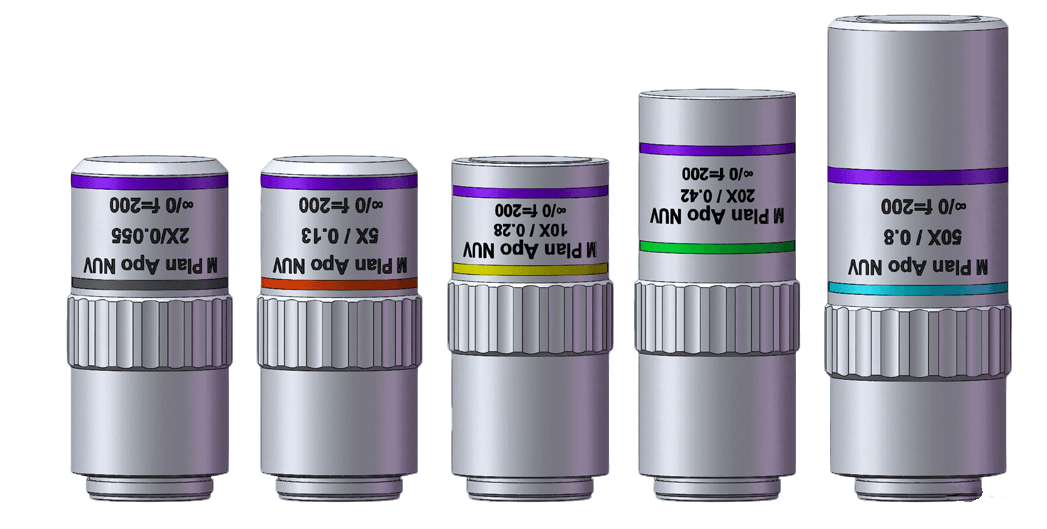
VL Plan Apo NUV 5X
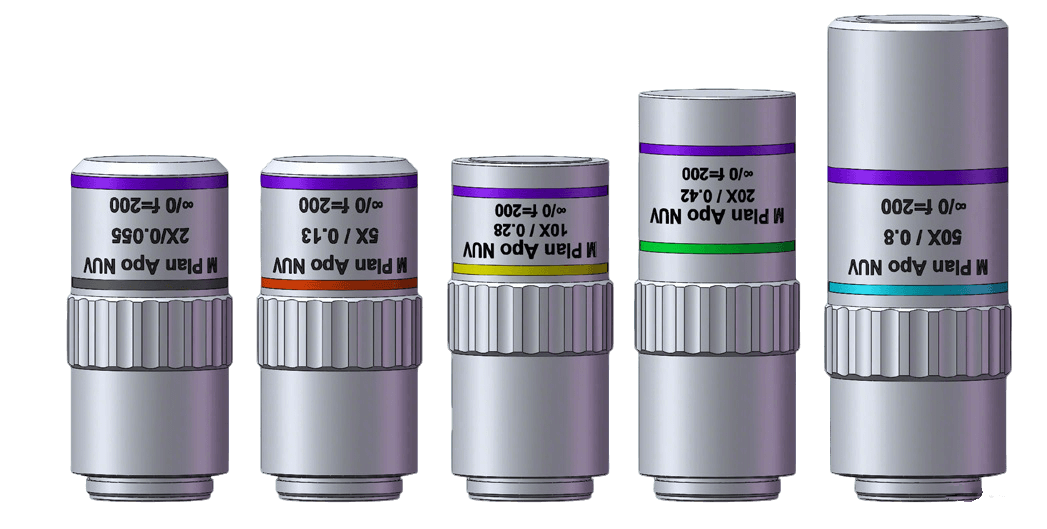
VL Plan Apo NUV 10X
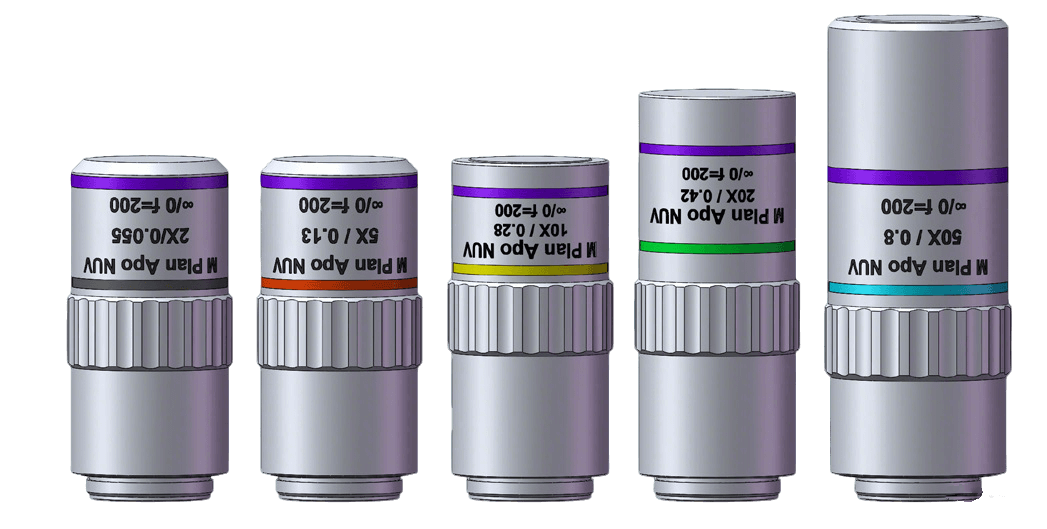
VL Plan Apo NUV 20X
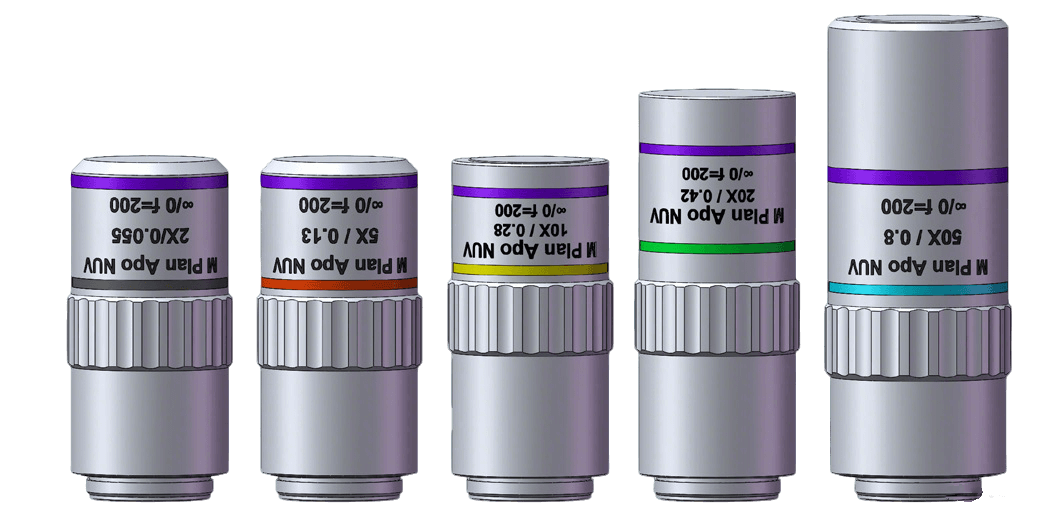
VL Plan Apo HR NUV 50X
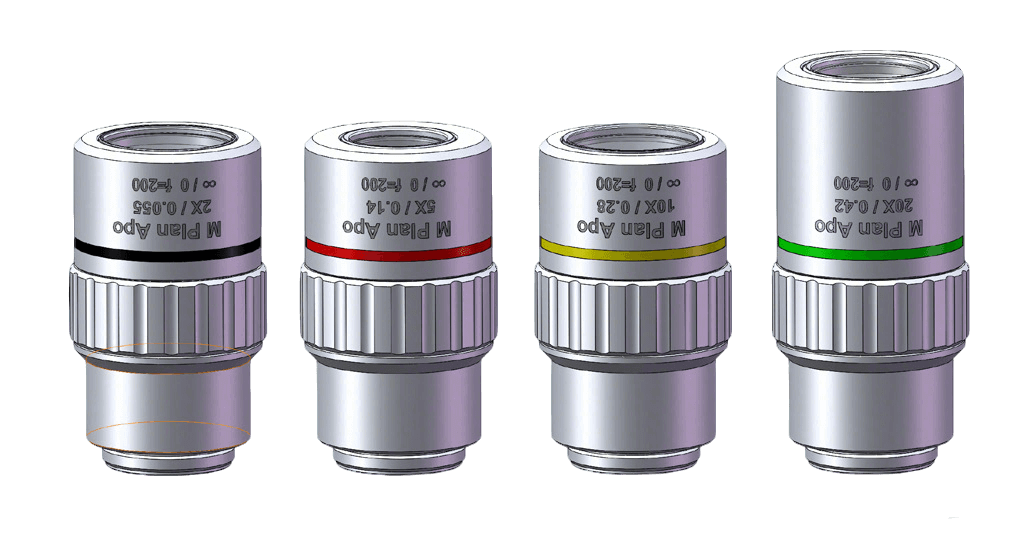
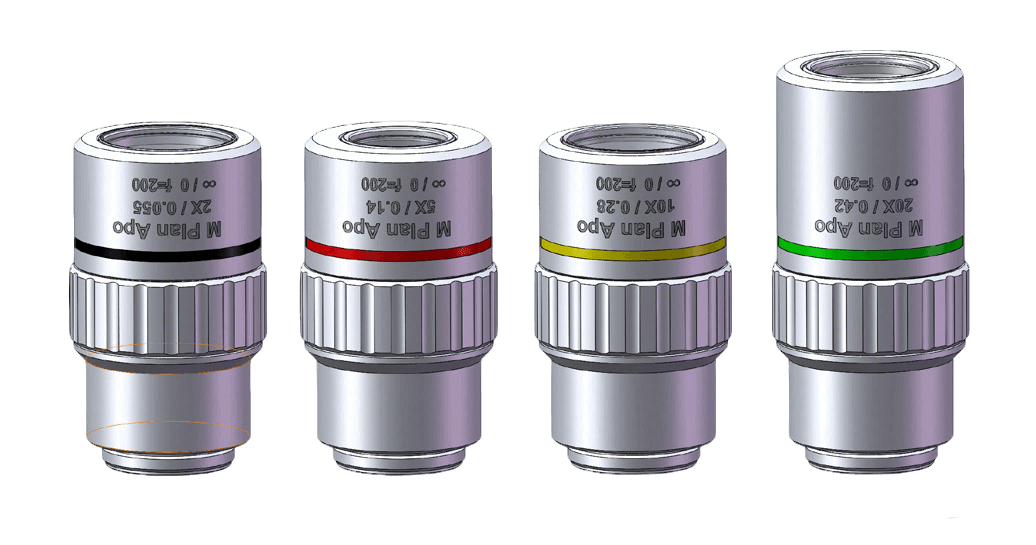
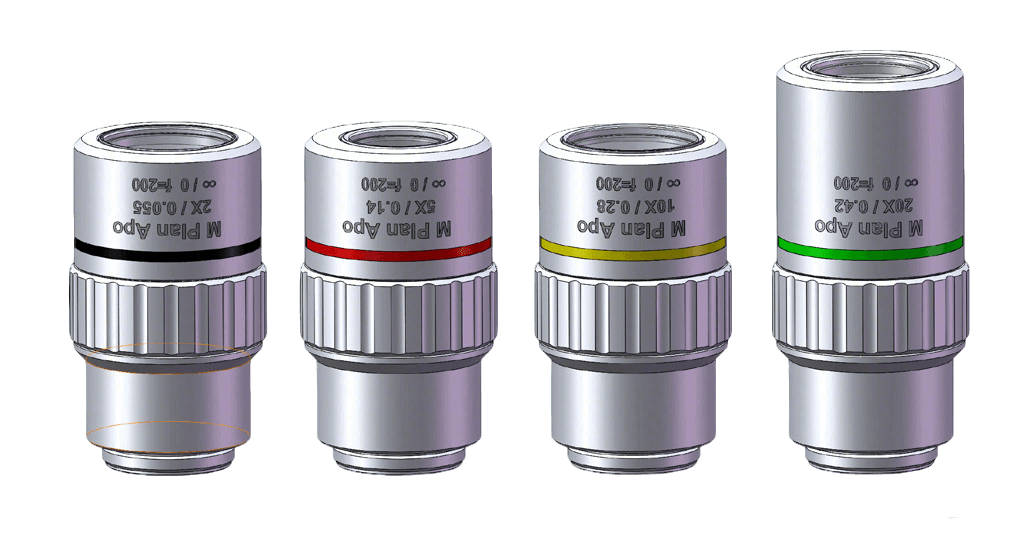
M Plan Apo FN40 Series Objectives
Widely used in metallographic defect detection, semiconductor chip observation, and material microscopic analysis
- Flat-field apochromatic: "No chromatic aberration, no blurring" across the entire field of view
- Long working distance: Suitable for thick/bulging samples
- Infinite optical path: Strong expandability
- Exclusive for metallography: Adaptable without a cover glass
Plan Fluor EPI Series Objectives
Widely used in metal grain analysis, chip defect detection, and coating observation
• Semi-apochromatic: Fluoride enables precise color rendering
• Flat field design: Clear view across the entire field without blind spots
• Episcopic EPI illumination: Customized for opaque samples
• Infinite conjugate parfocality: Significantly improves efficiency when changing magnifications
• Long working distance (for some models): Compatible with thick / raised samples
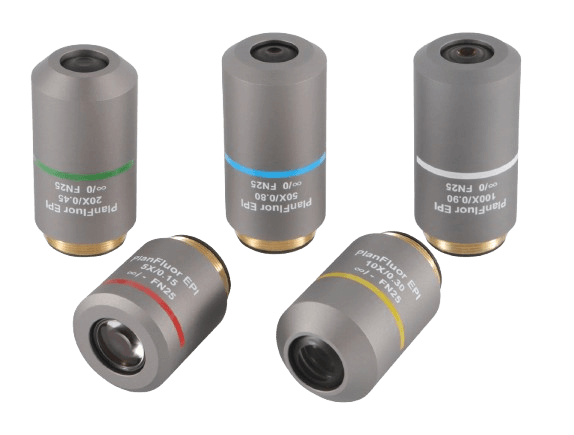
VL Plan Fluor EPI 5X
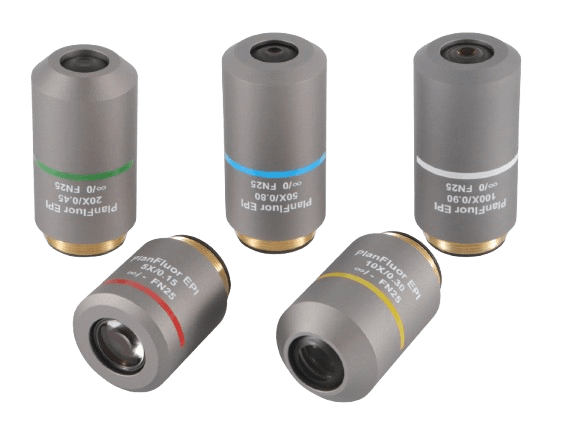
VL Plan Fluor EPI 10X
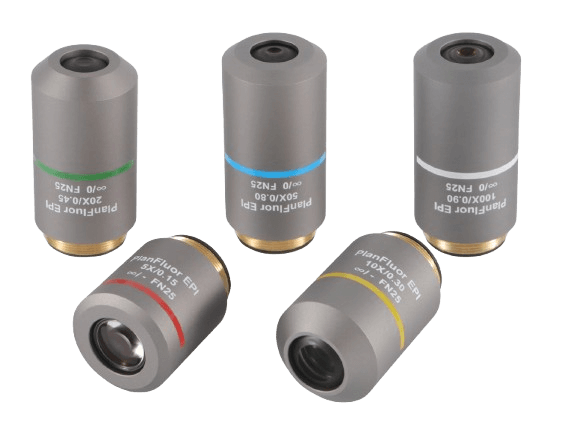
VL Plan Fluor EPI 20X
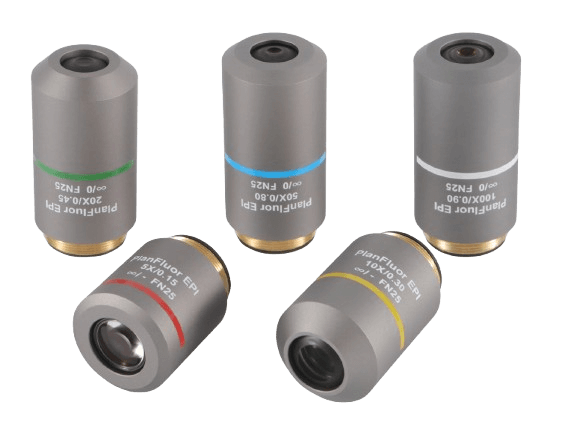
VL Plan Fluor EPI 50X
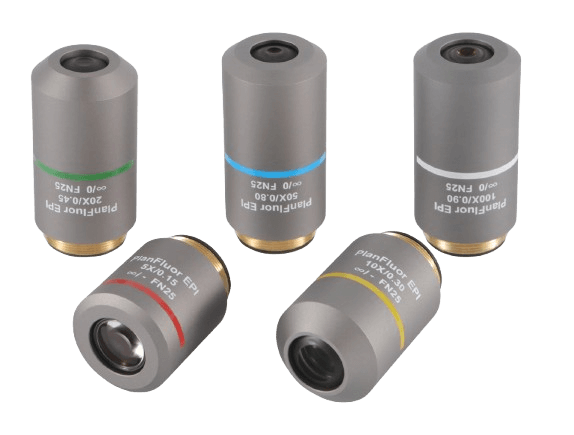
VL Plan Fluor EPI 100X
Plan Fluor EPI BD Series Objectives
Widely used in metal material processing and quality inspection, semiconductor and electronic component quality inspection
- Brightfield and darkfield dual mode (BD): One-click switching, doubling efficiency
- Flat field semi-apochromatic (Plan + Fluor): Clear full field of view, no color deviation
- 45mm infinite conjugate parfocality: No need to refocus when changing magnifications, strong expandability
- Full magnification coverage: From macro to nanoscale, no dead angles in scenes
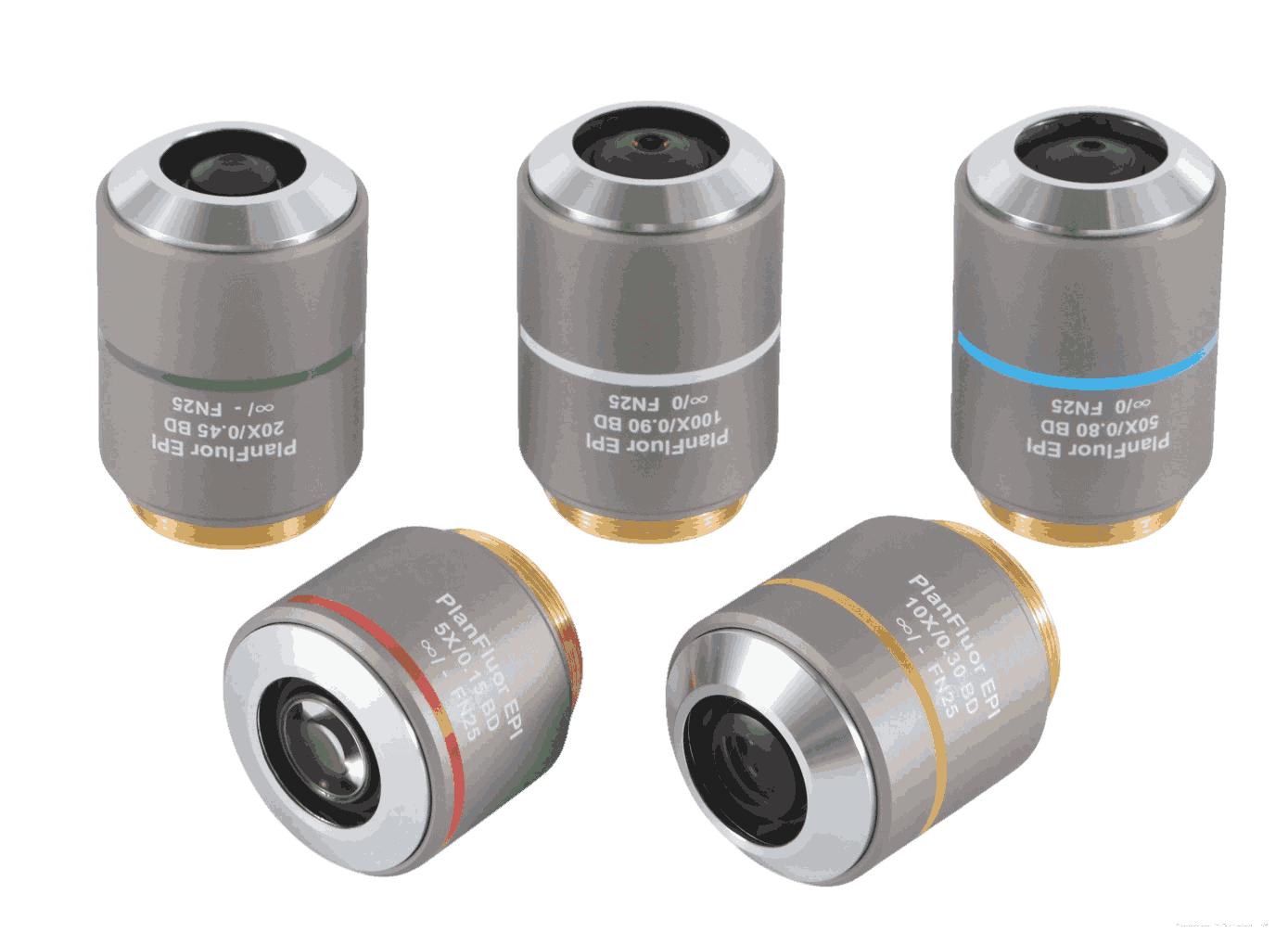
VL Plan Fluor EPI BD 5X
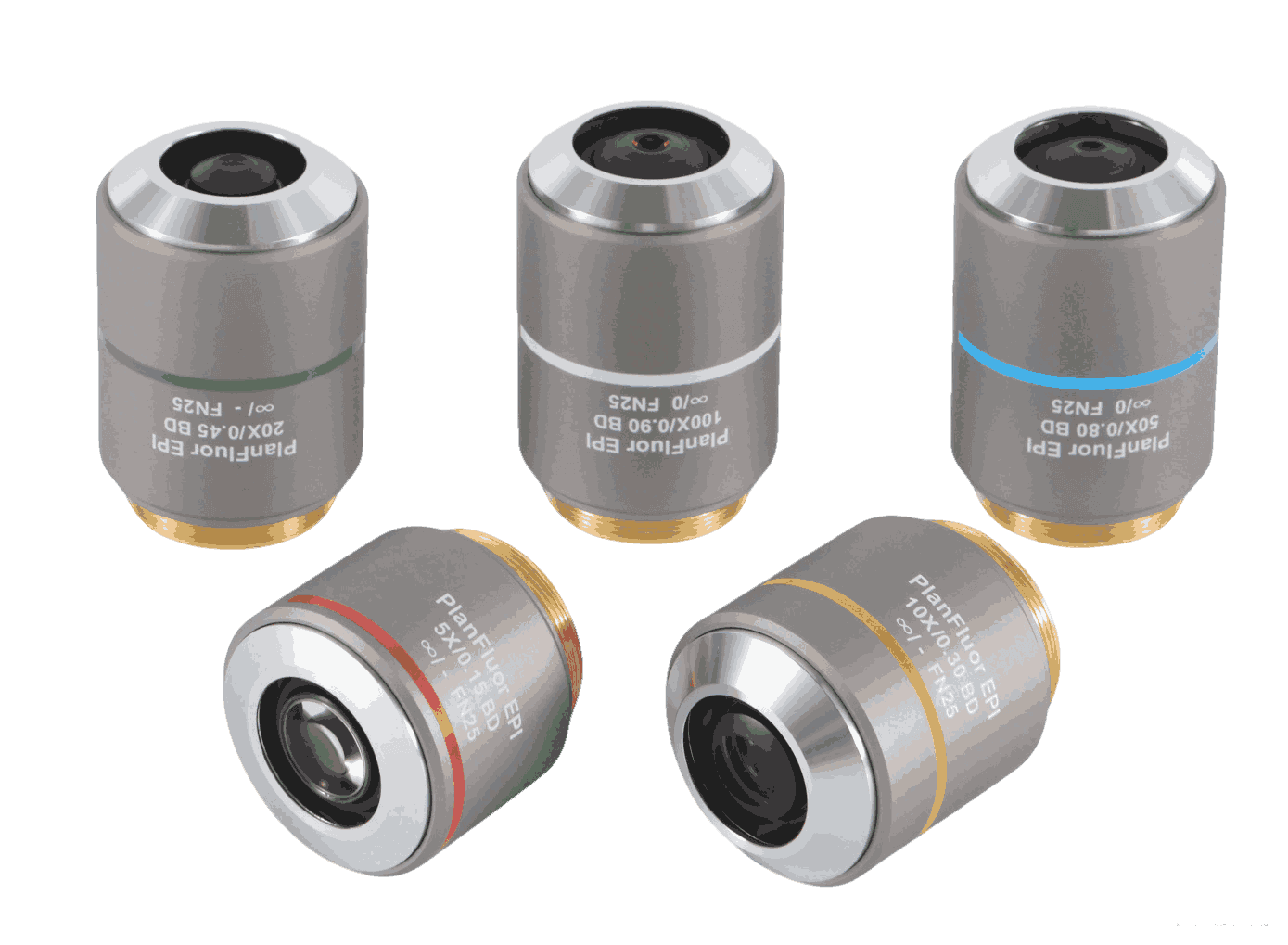
VL Plan Fluor EPI BD 10X
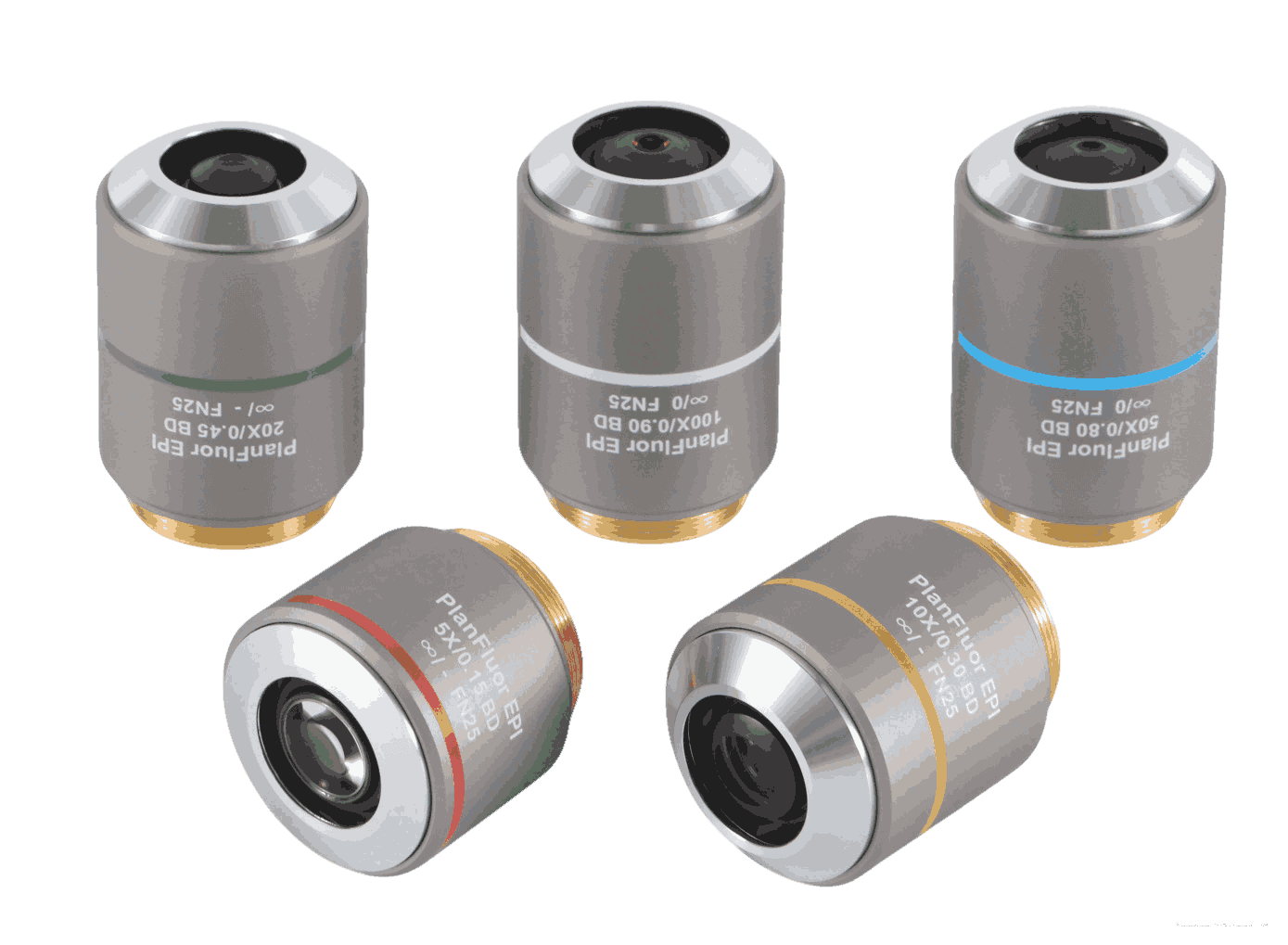
VL Plan Fluor EPI BD 20X
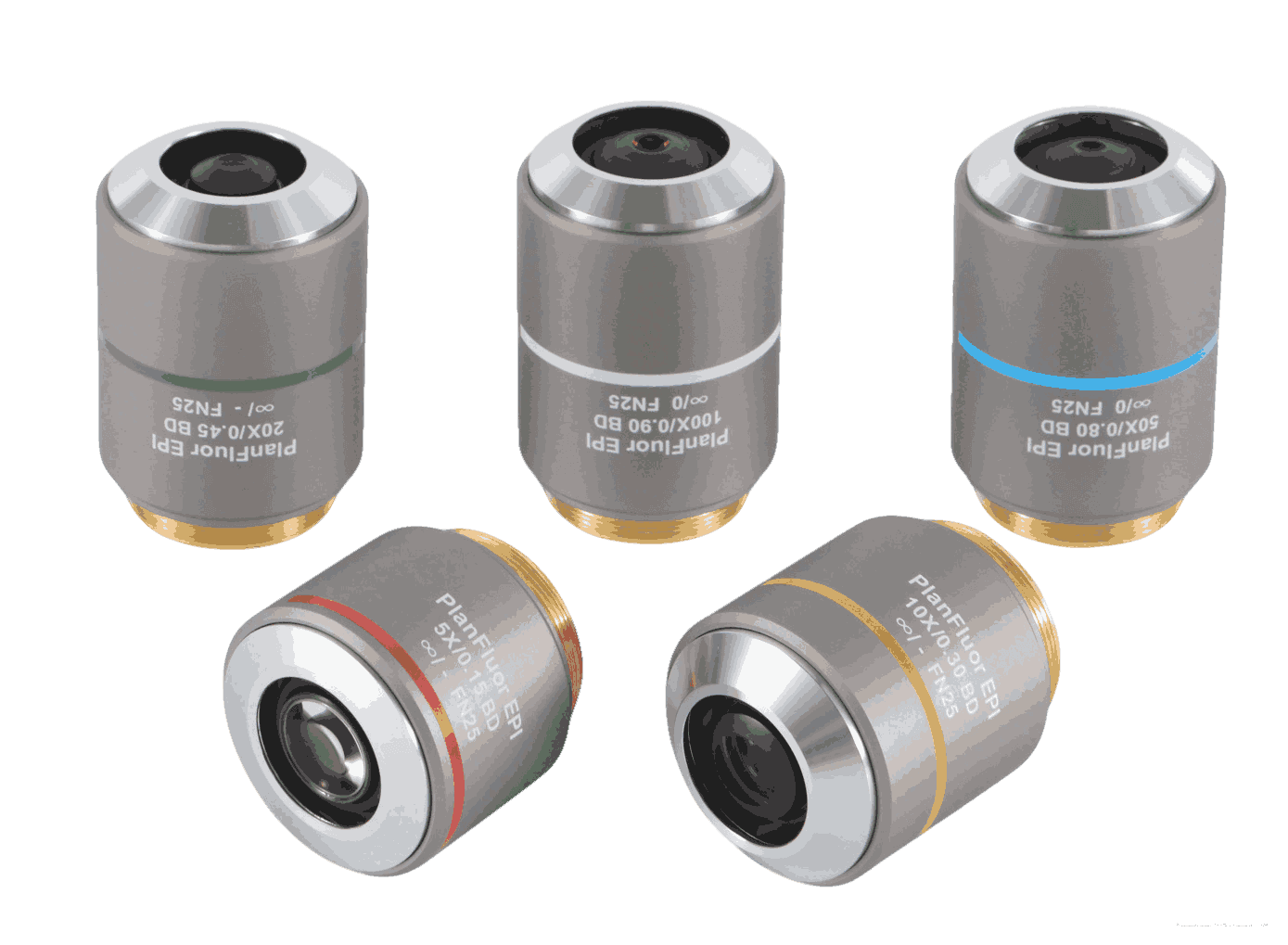
VL Plan Fluor EPI BD 50X
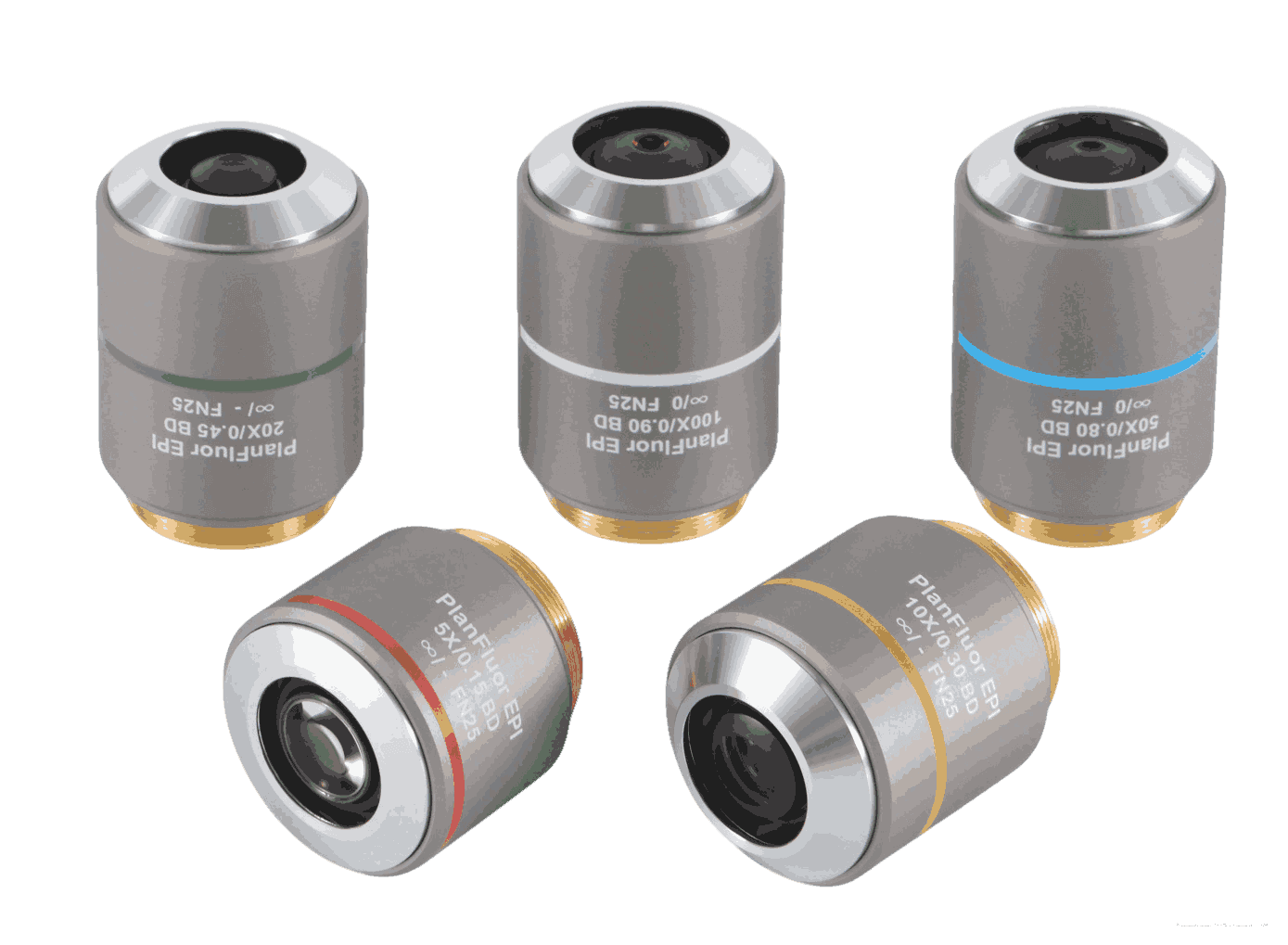
VL Plan Fluor EPI BD 100X
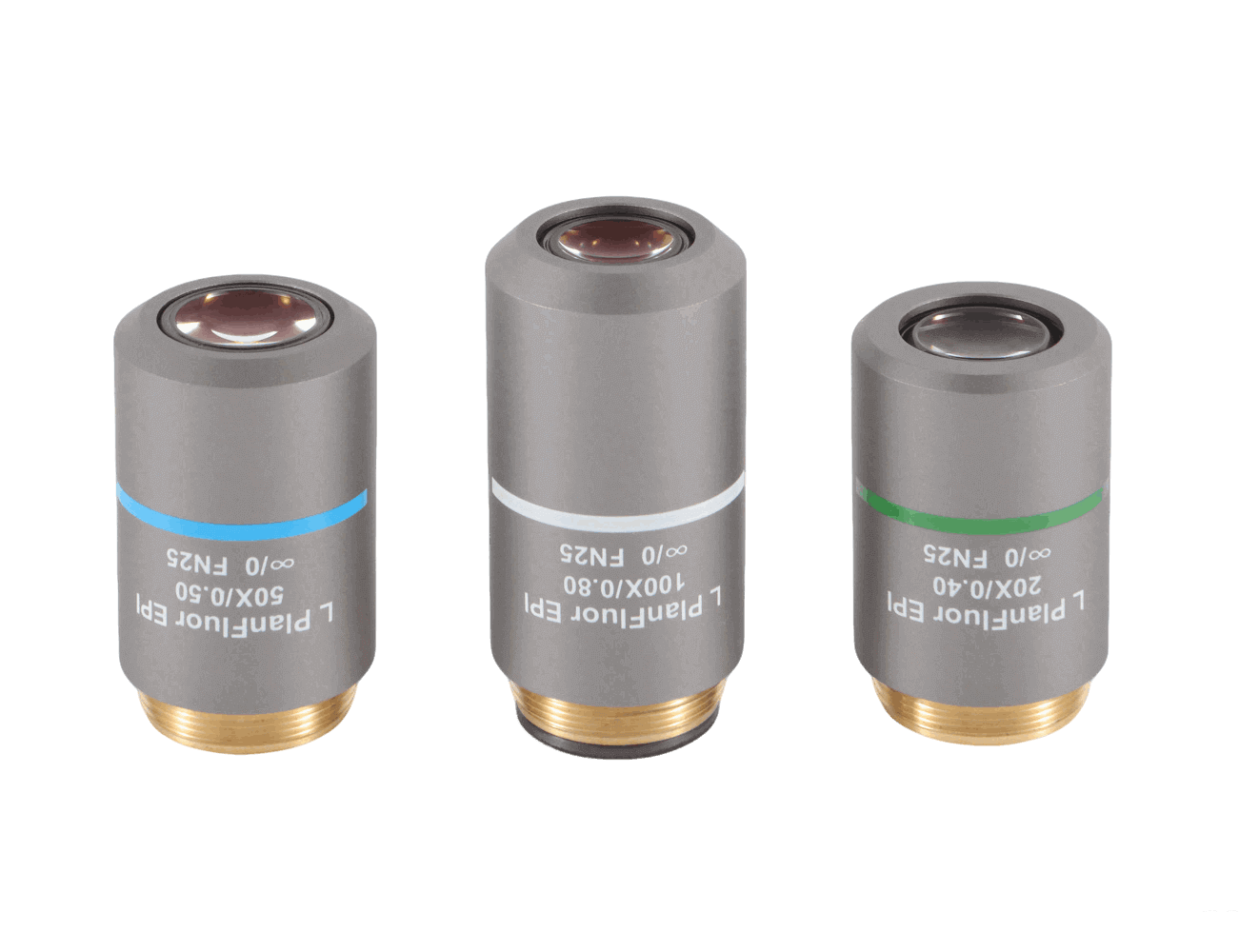
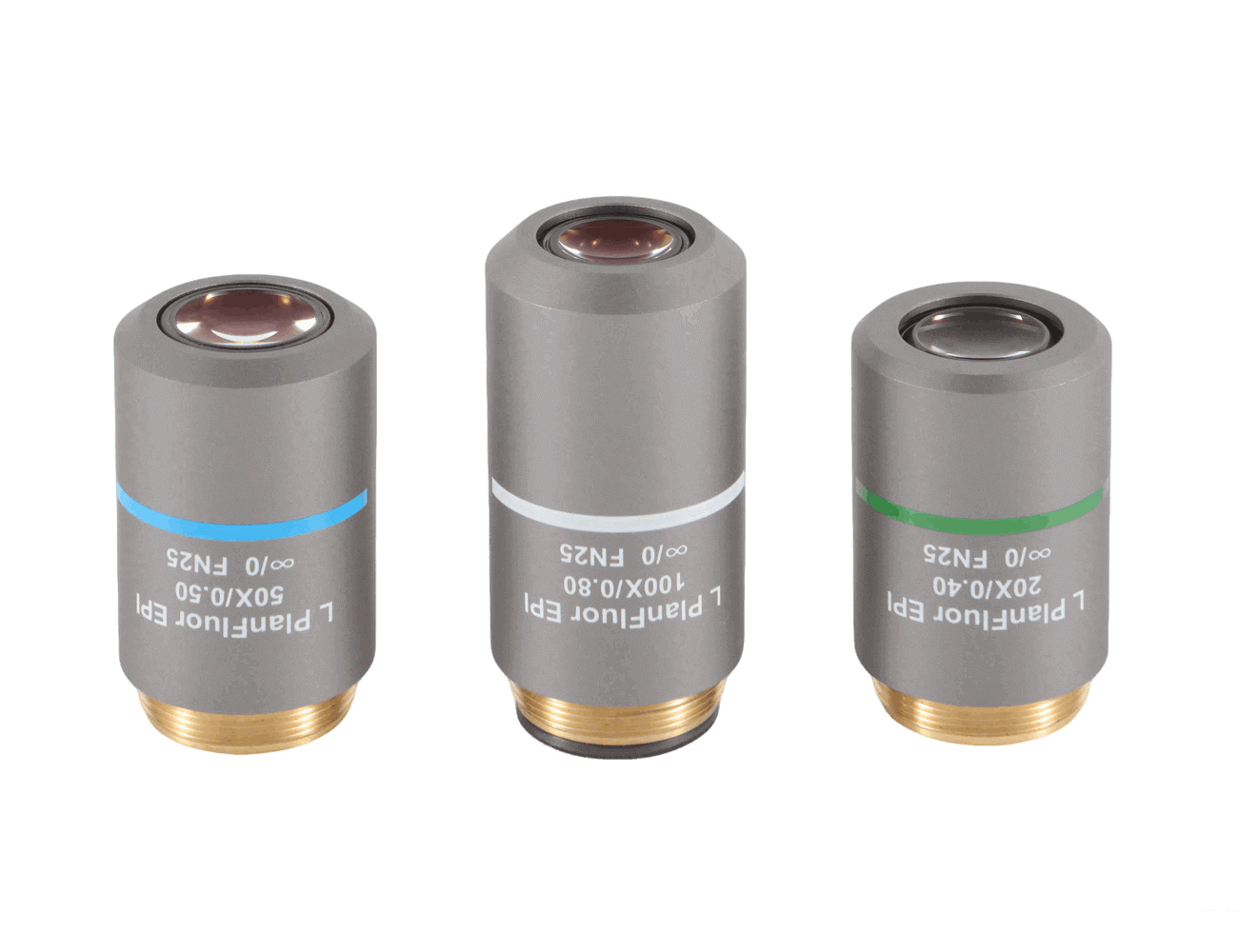
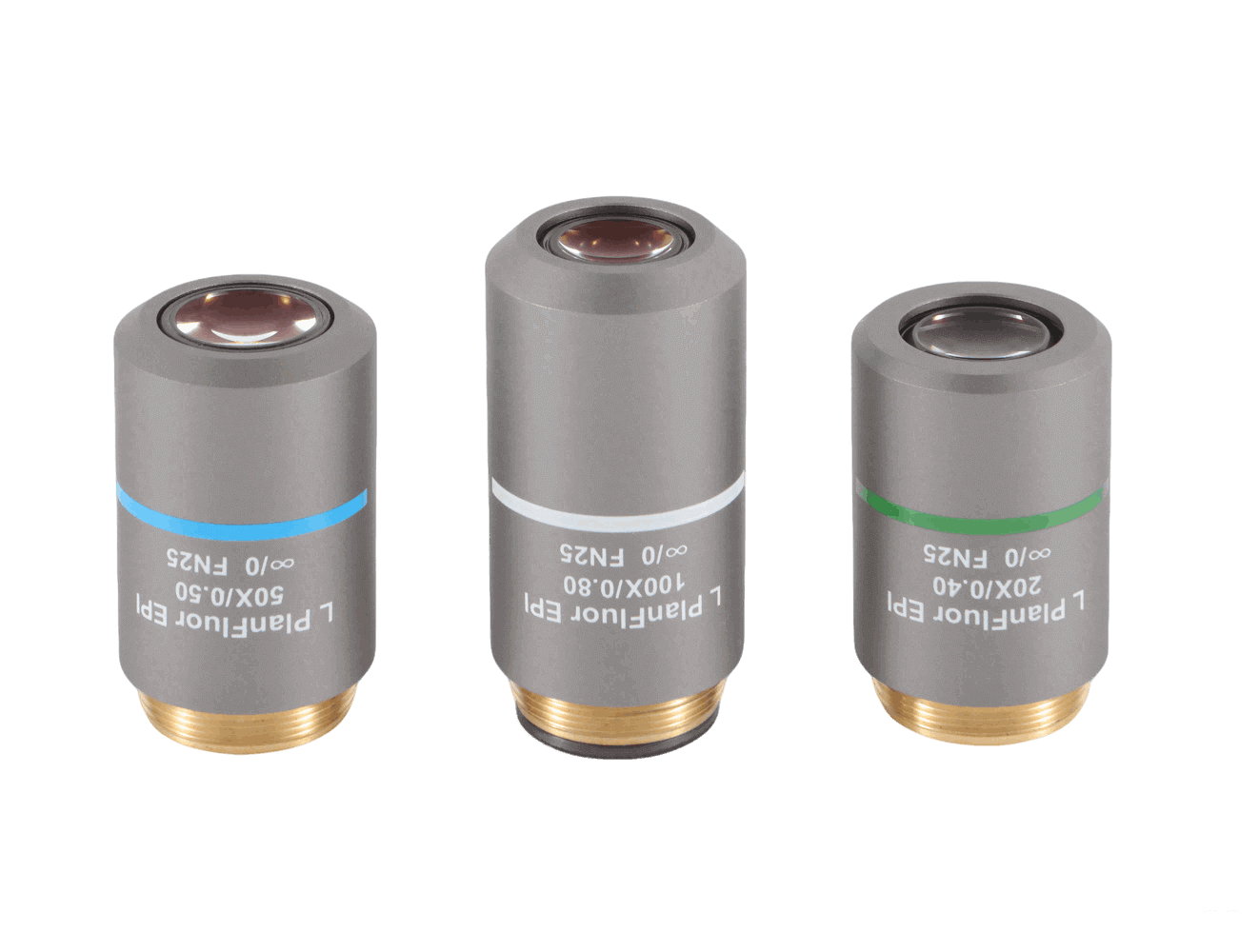
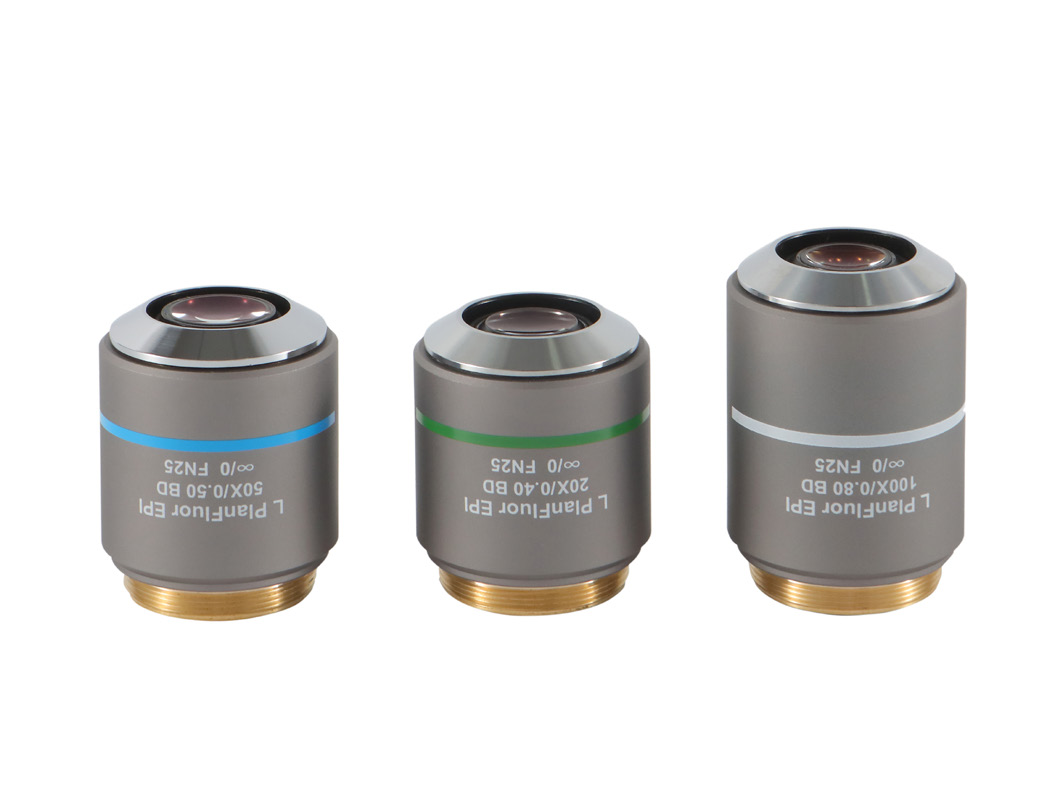
L Plan Fluor EPI Series Objectives
Widely used in the semiconductor field, automobile manufacturing, precision machinery, and other fields
- Long working distance breaks through industry limits
- Optical revolution of flat-field semi-apochromatic
- Industrial-grade durability and compatibility
- Balancing the contradiction between resolution and working distance
- Targeted optimization of episcopic illumination
- Precise adaptation to industrial inspection scenarios
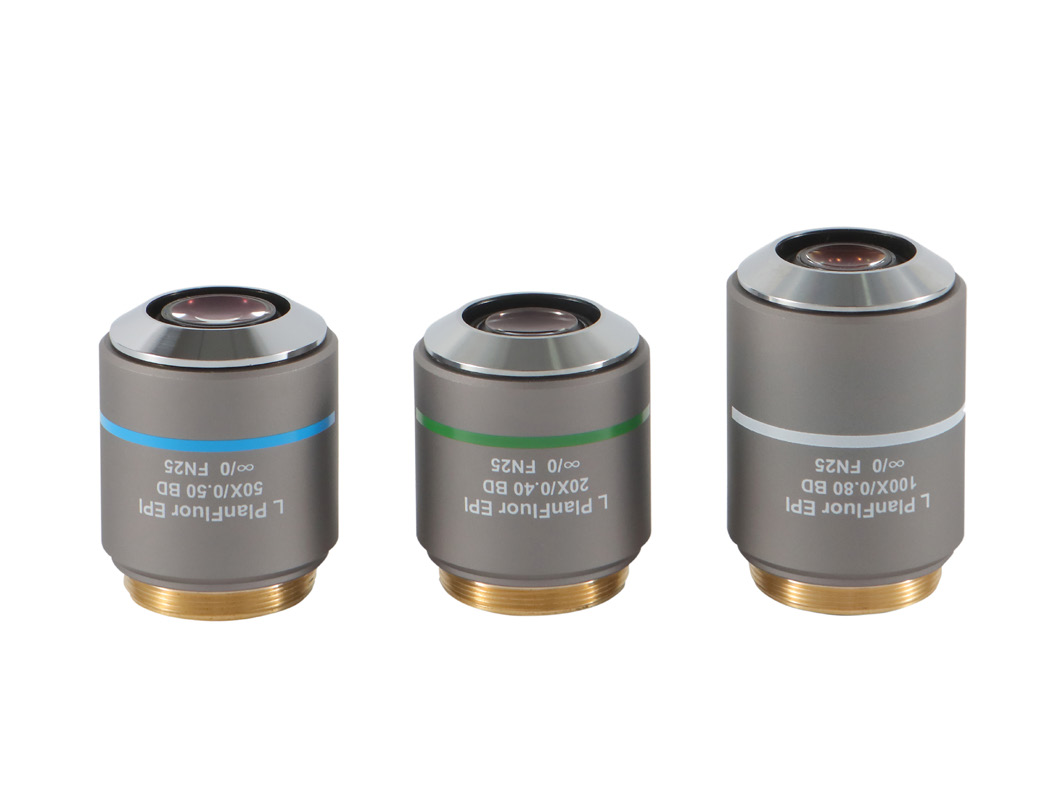
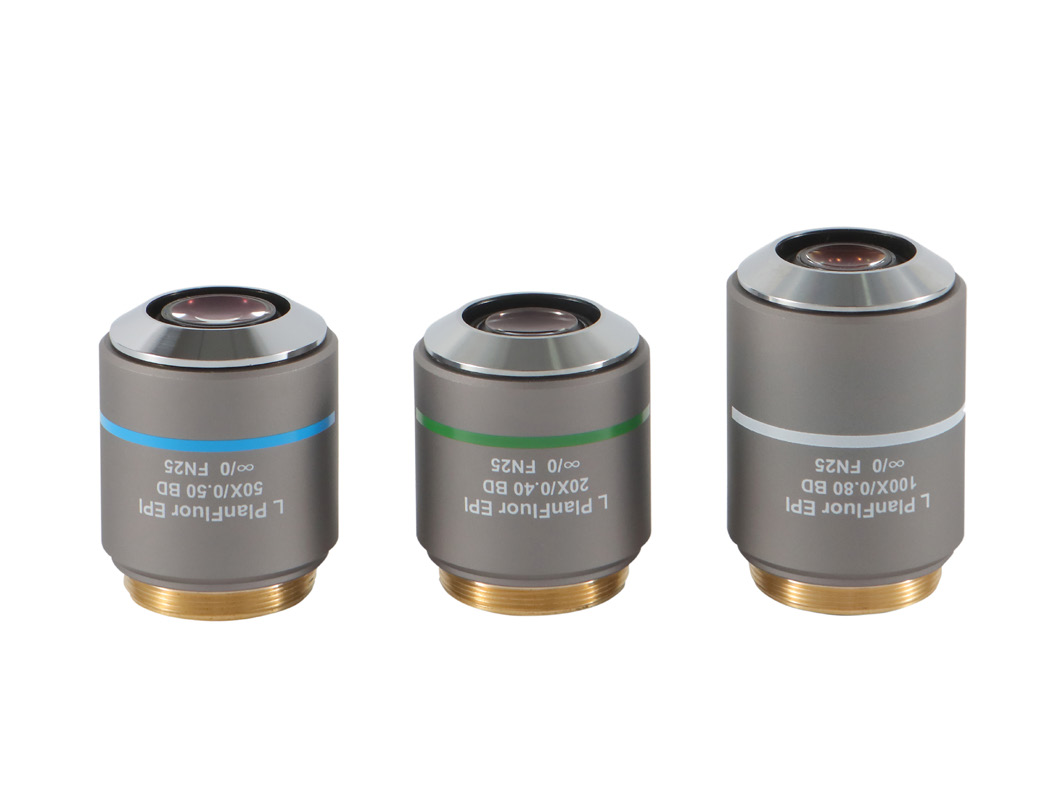
L Plan Fluor EPI BD Series Objectives
Widely used in fields such as metal processing, semiconductor quality inspection, and precision molds
- Long working distance breaks industry limits
- One-click switching between bright and dark field modes
- Optical revolution of flat field semi-apochromatic
- 45mm infinite conjugate parfocal architecture
- High resolution and imaging contrast
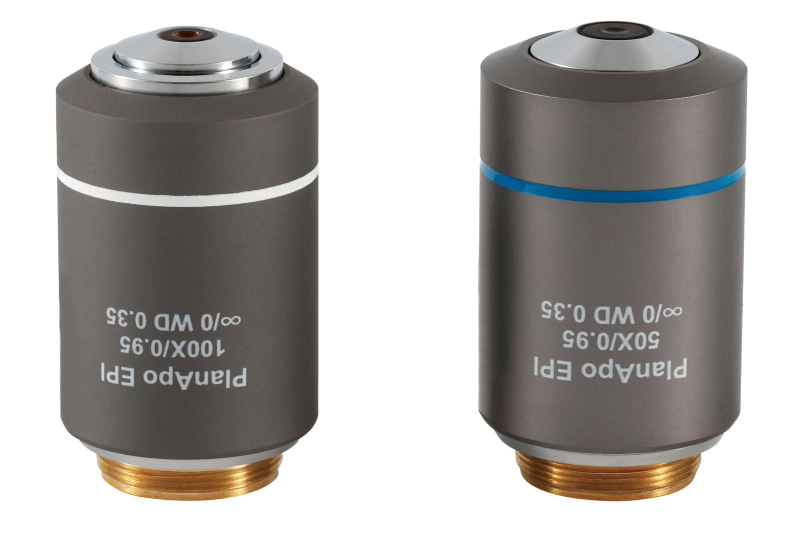
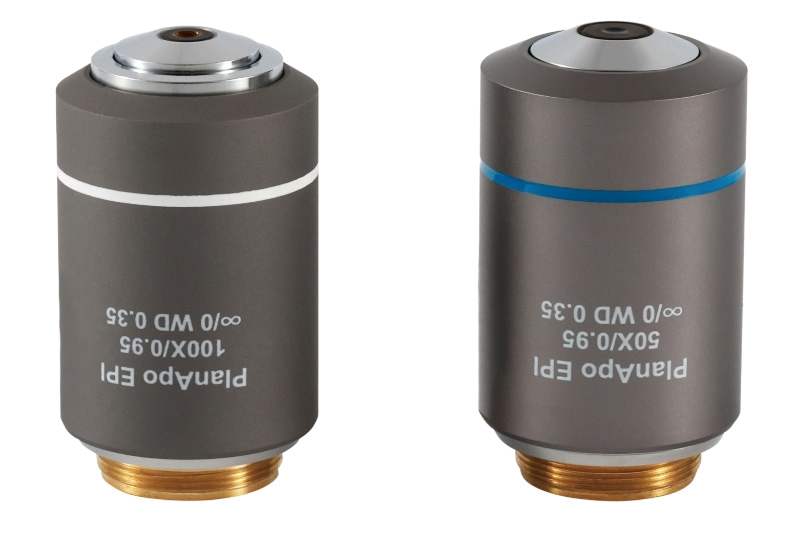
Plan Apo EPI Series Objectives
Widely used in semiconductor manufacturing and quality inspection, electronic component and MEMS testing, metal material analysis, precision molds and mechanical parts
- Apochromatic correction
- Flat field design
- 95mm infinite conjugate parfocal architecture
- High resolution and long working distance
- EPI episcopic bright field optimization
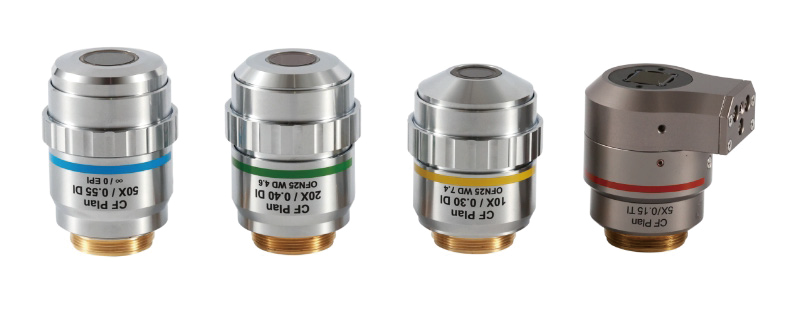
CF Plan TI/DI Series Objectives
Widely used in fields such as semiconductors (wafer defects / film thickness), optical components (surface flatness), precision manufacturing (part roughness)
• Nanoscale non-contact precision
• Serial scene adaptation
• Industry universal benchmark
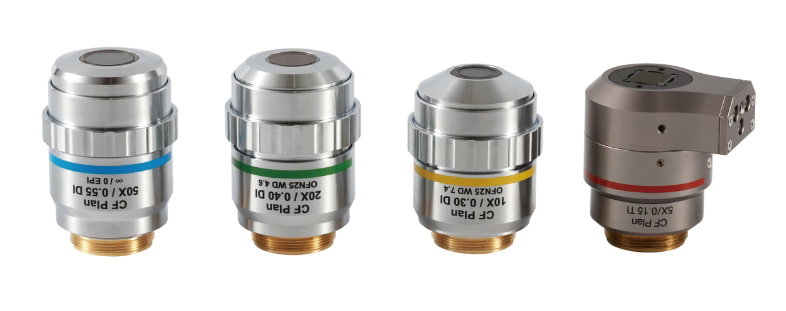
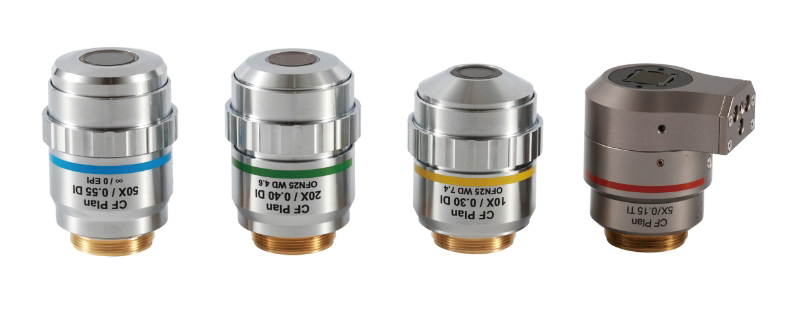
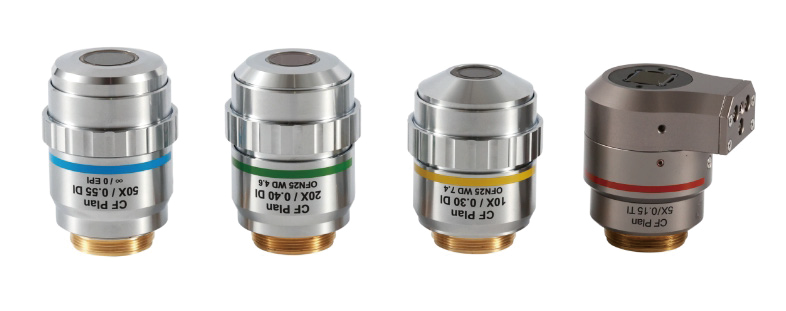
CF Plan Series Objectives
Widely used in fields such as biological sciences (cell/tissue imaging), materials science (metal grain boundary/semiconductor defect detection)
- Flat field correction across the entire field of view, eliminating edge blurring
- Multimodal compatibility, with brightfield as the basis to expand analysis dimensions
- High-precision aberration correction and optimization of optical performance
- Serialized design, covering all scenario requirements
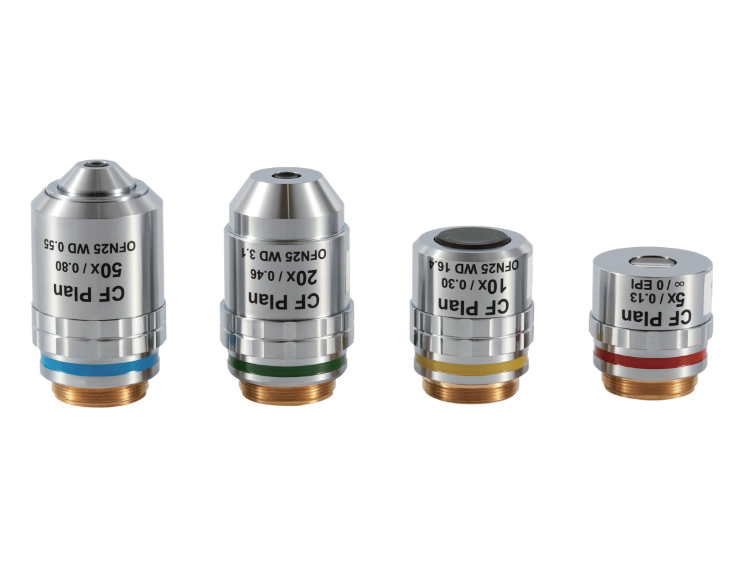
VL CF Plan 5X
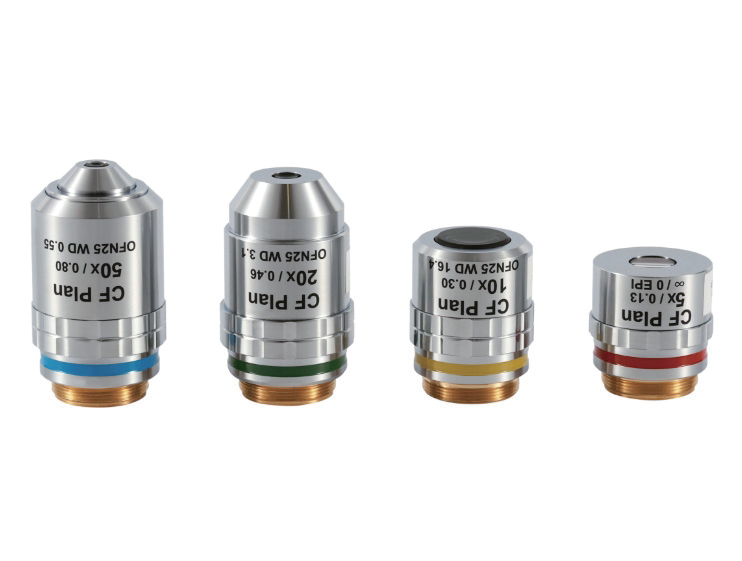
VL CF Plan 10X
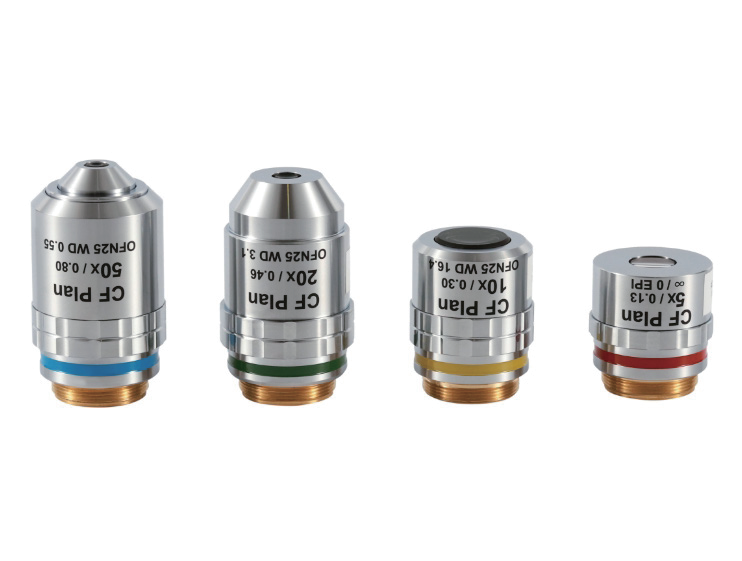
VL CF Plan 20X
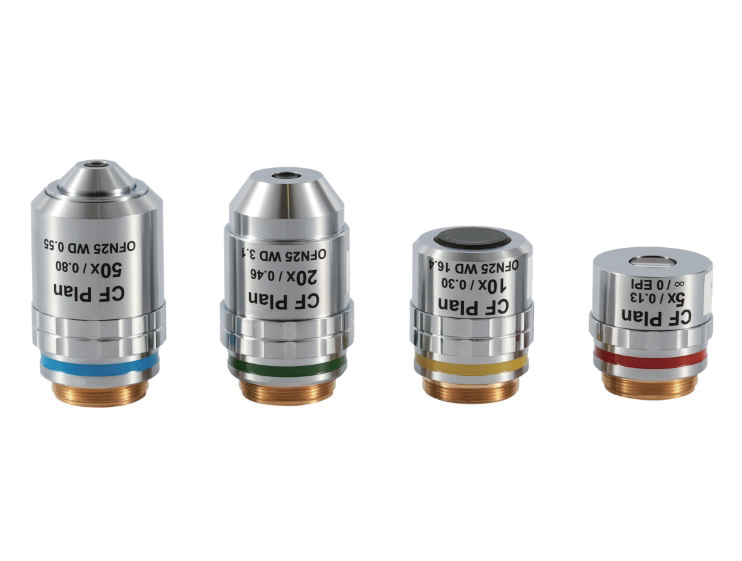
VL CF Plan 50X
Plan Fluor Series Objectives
Widely used in dynamic fluorescence imaging of living cells, multicolor fluorescence diagnosis of pathological sections, deep imaging of 3D biological structures
- Semi-apochromatic correction, balancing resolution and color reproduction
- Wide-spectrum and high light transmittance, suitable for multiple fluorescent dyes
- Multimodal seamless switching, optimizing experimental procedures
- Balanced NA and working distance, suitable for complex biological samples
- Full-field flat-field imaging, ensuring the reliability of quantitative analysis
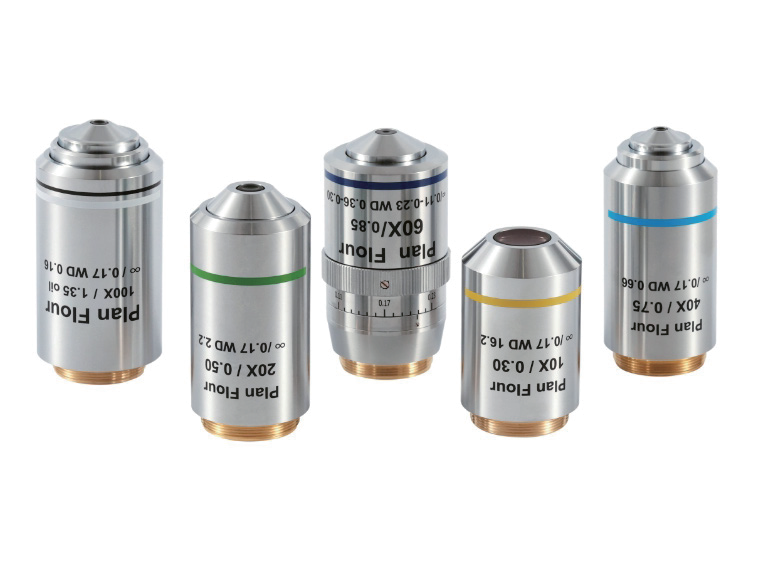
VL Plan Fluor 10X
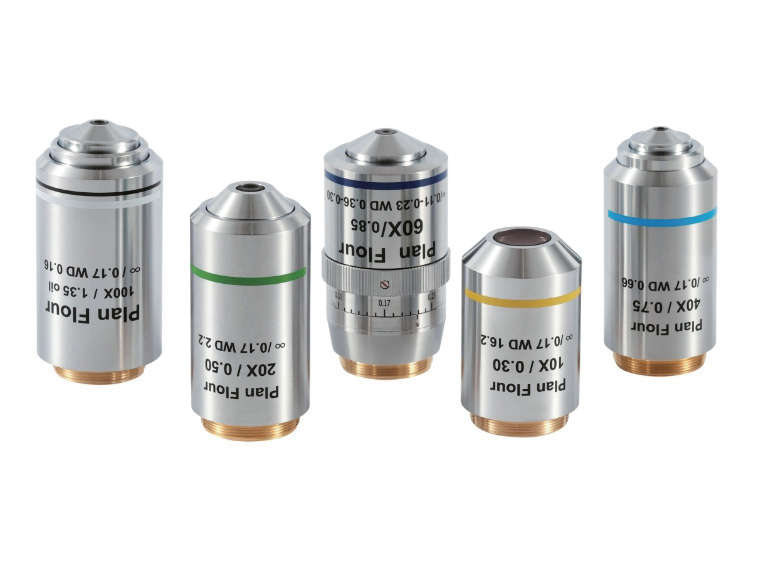
VL Plan Fluor 20X
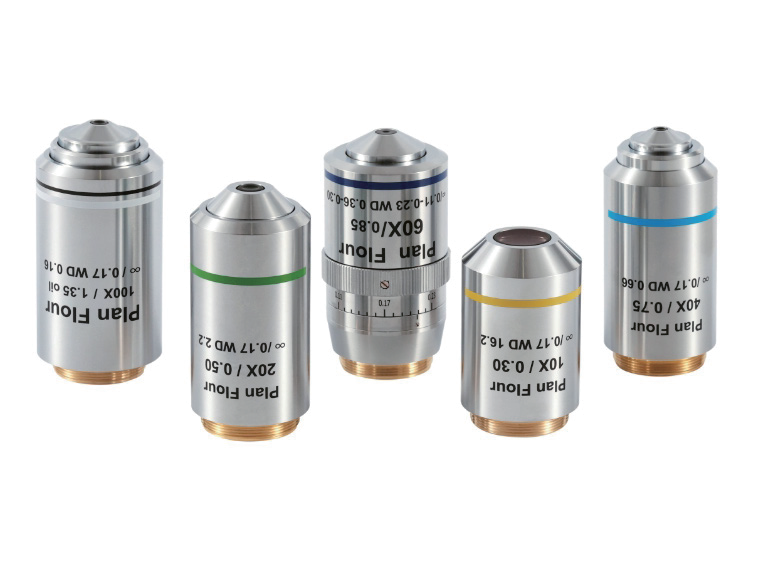
VL Plan Fluor 40X
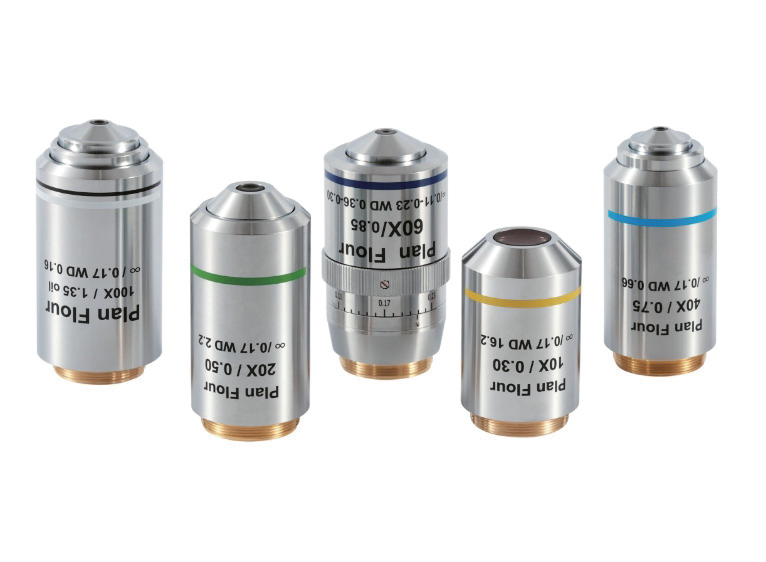
VL Plan Fluor 60X
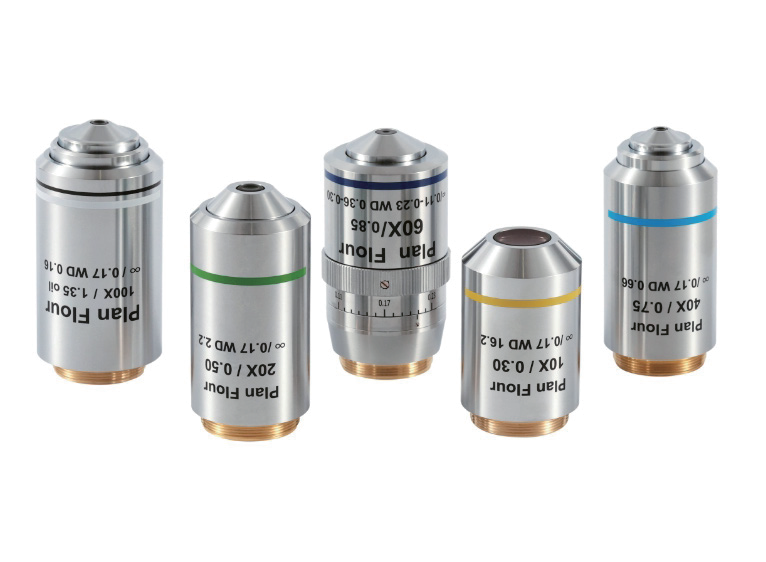
VL Plan Fluor 100X
Plan Fluor Ph Series Objectives
Widely used in multimodal dynamic research of living cells, cell function and toxicity analysis, fine observation of transparent/thin samples, imaging of samples in plastic containers
- Multimodal integration, reducing photobleaching
- High quality and efficiency in fluorescent imaging
- Outstanding details in phase contrast observation
- Wide sample compatibility
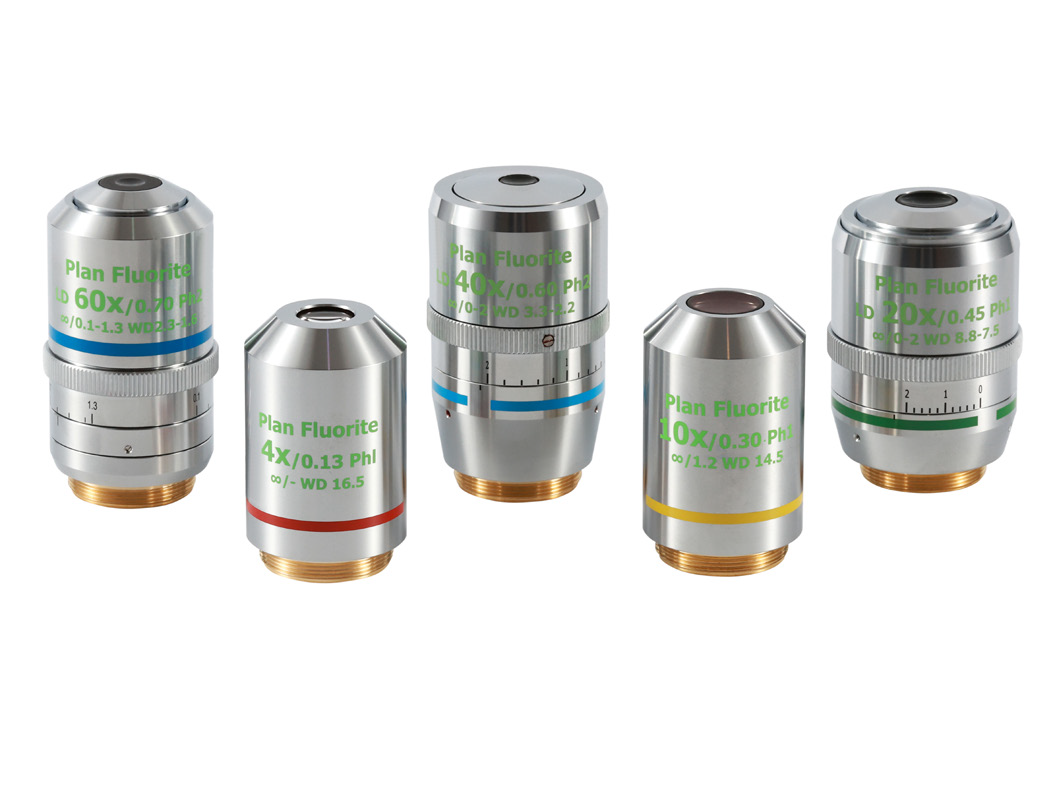
VL Plan Fluor PHL 4X
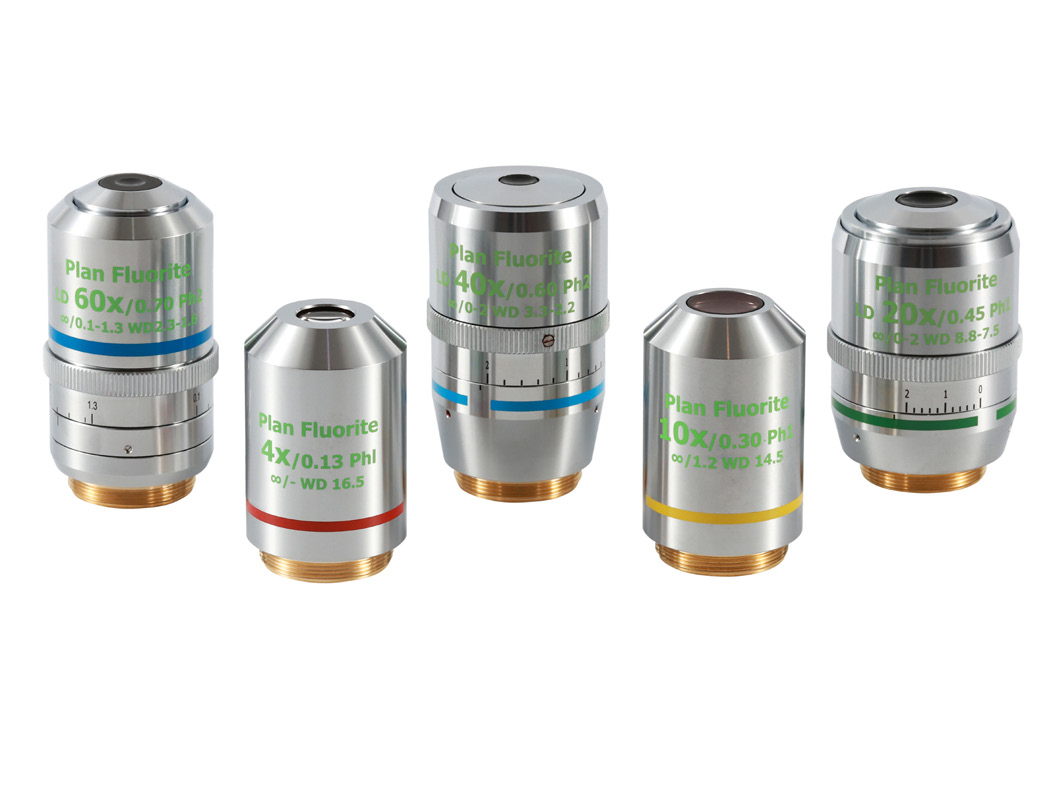
VL Plan Fluor PH1 10X
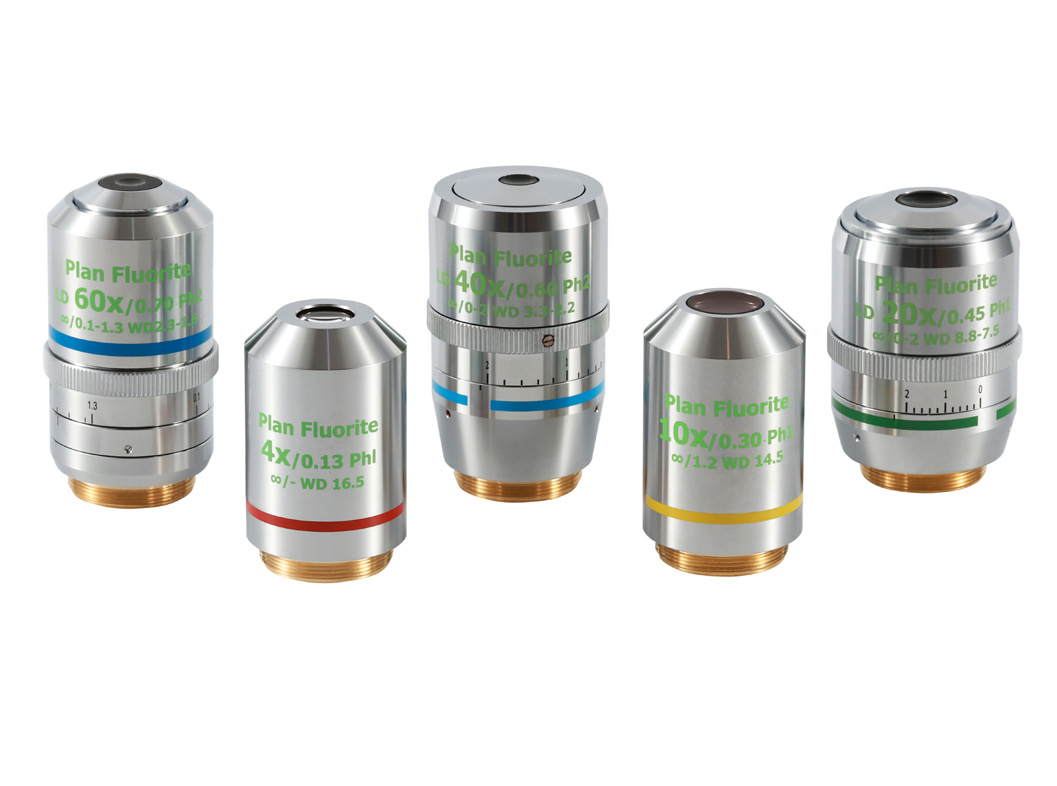
VL Plan Fluor PH1 20X
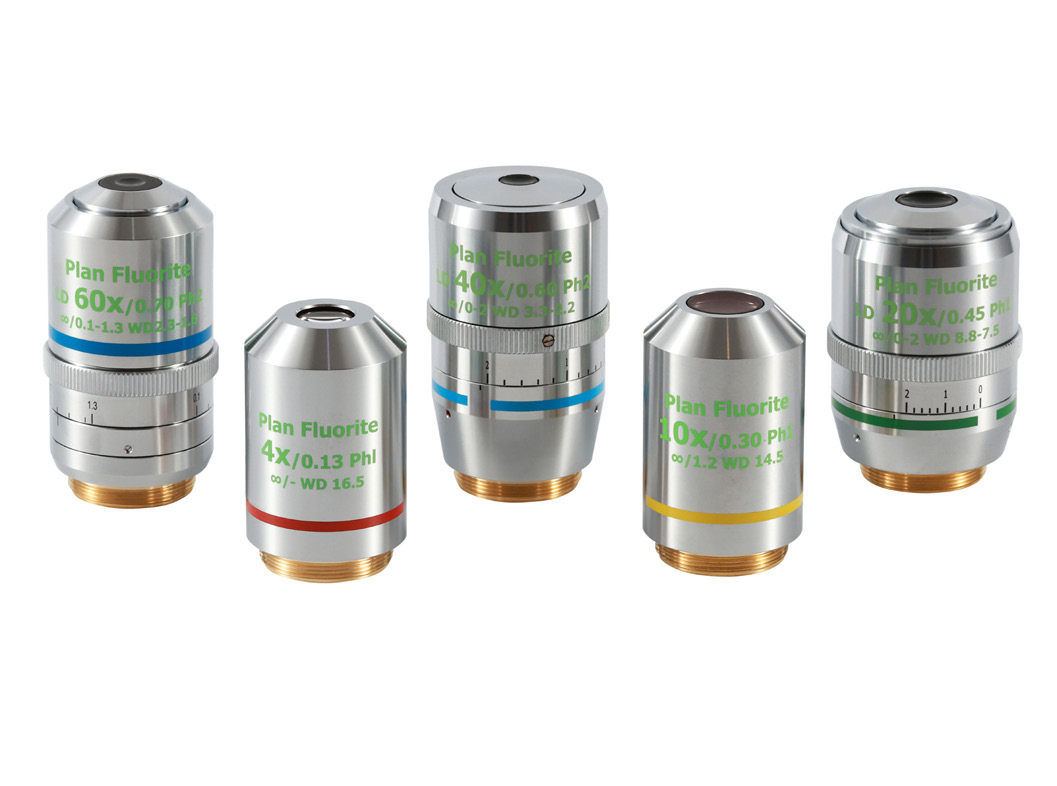
VL Plan Fluor PH2 40X
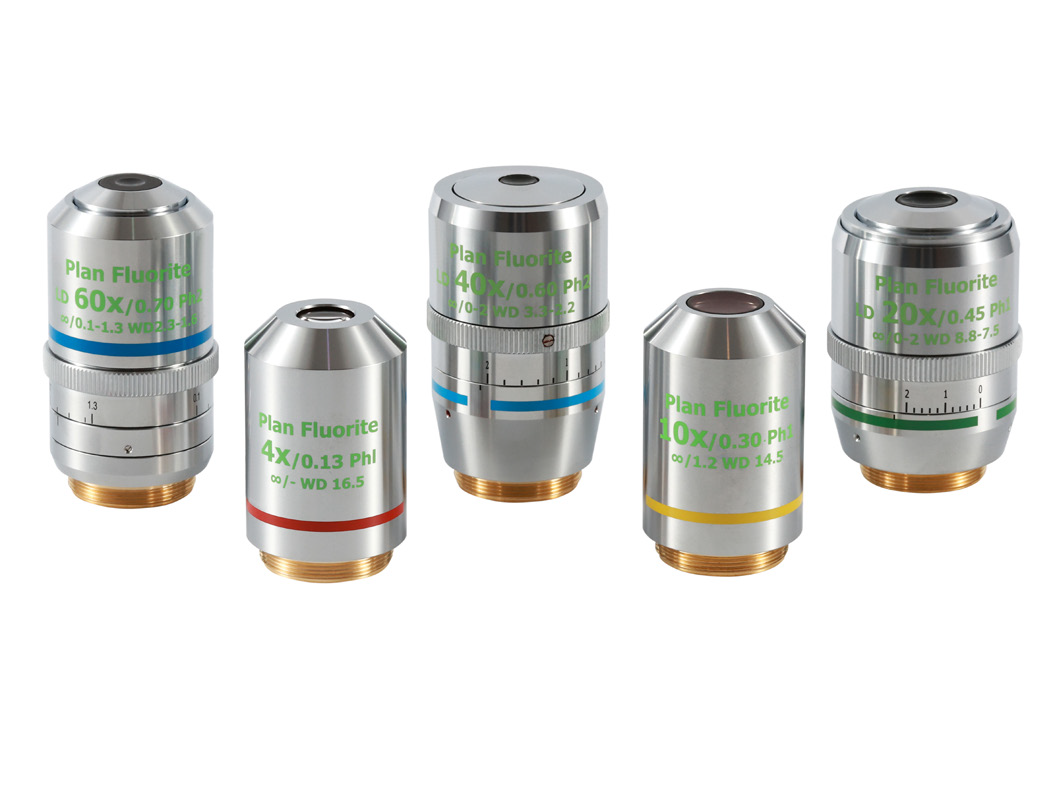
VL Plan Fluor PH2 60X
Plan Apo Series Objectives
Widely used in basic life science research, medical research and drug development, cutting-edge technologies and interdisciplinary applications
- Extreme chromatic aberration correction (apochromatic)
- High flatness across the entire field of view (flat-field design)
- Infinite correction optical system
- Balance between high NA and working distance
- Compatibility with multimodal and cutting-edge technologies
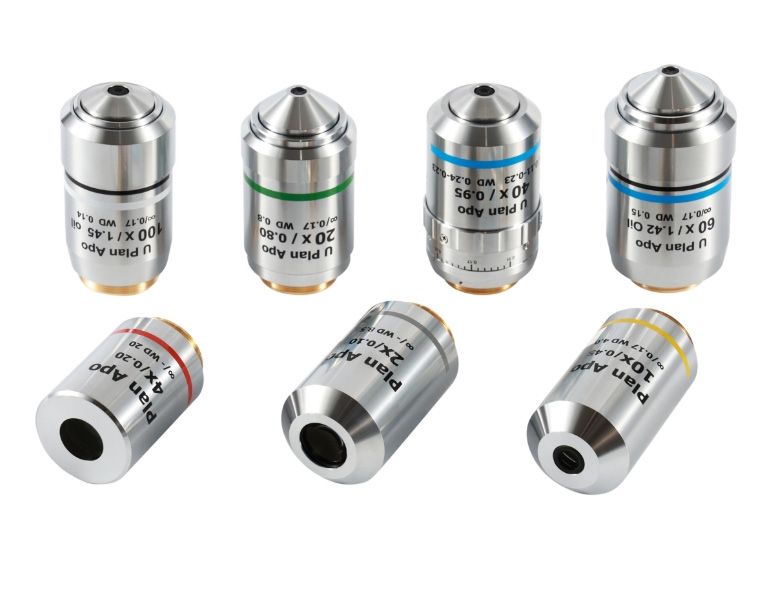
VL U Plan Apo 2X
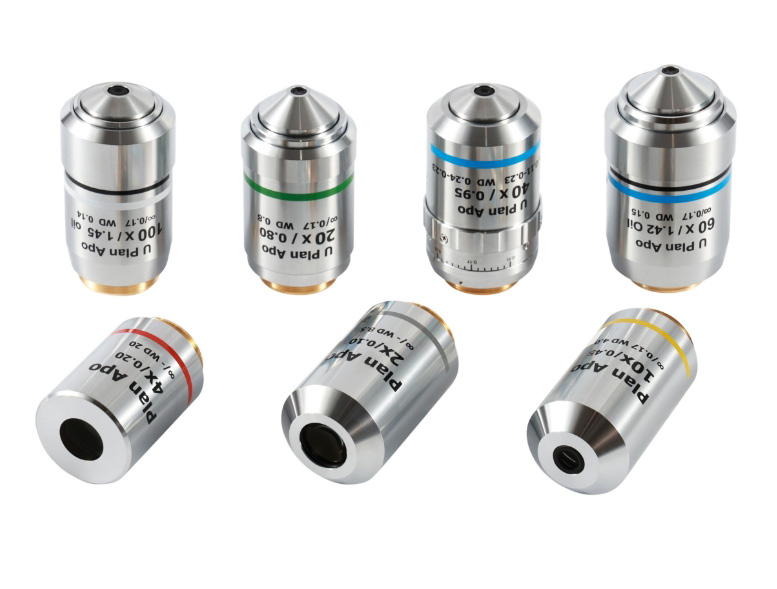
VL U Plan Apo 4X
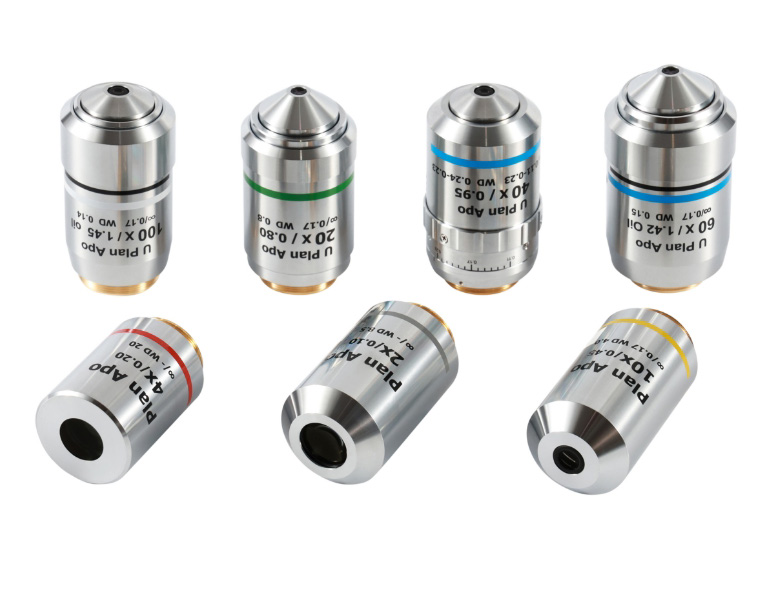
VL U Plan Apo 10X
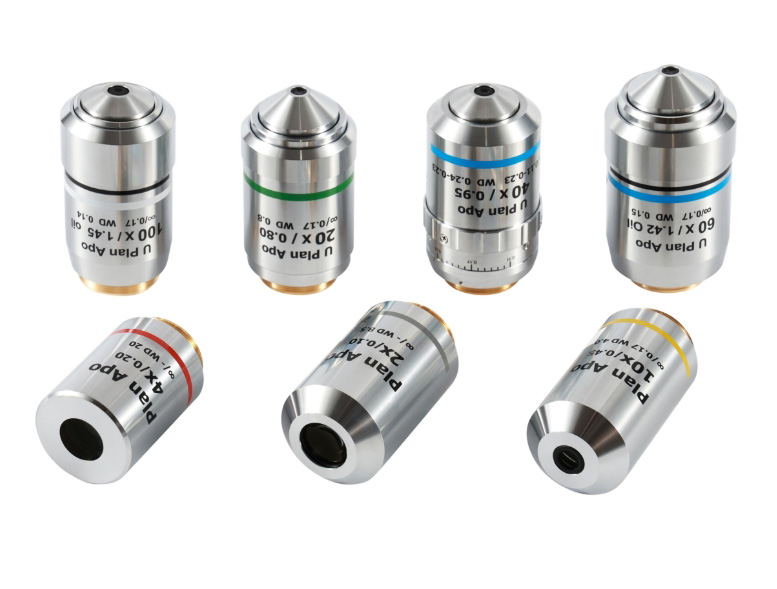
VL U Plan Apo 20X
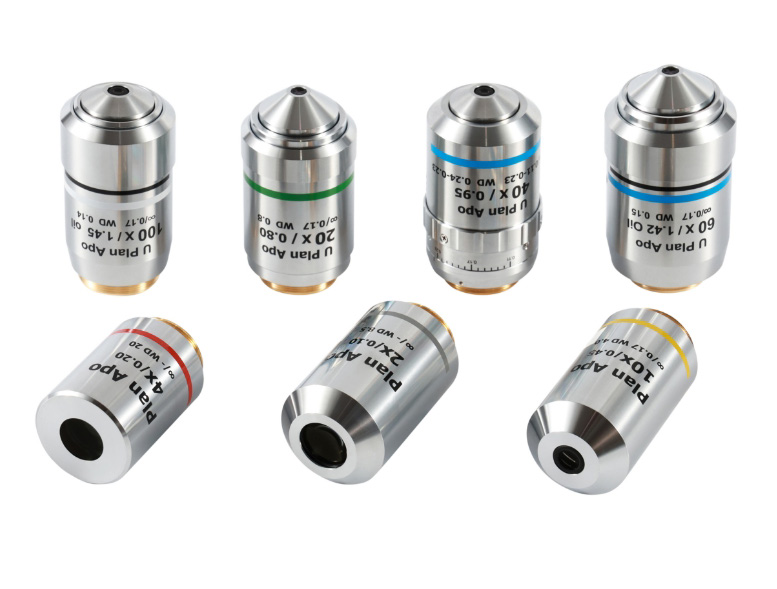
VL U Plan Apo 40X
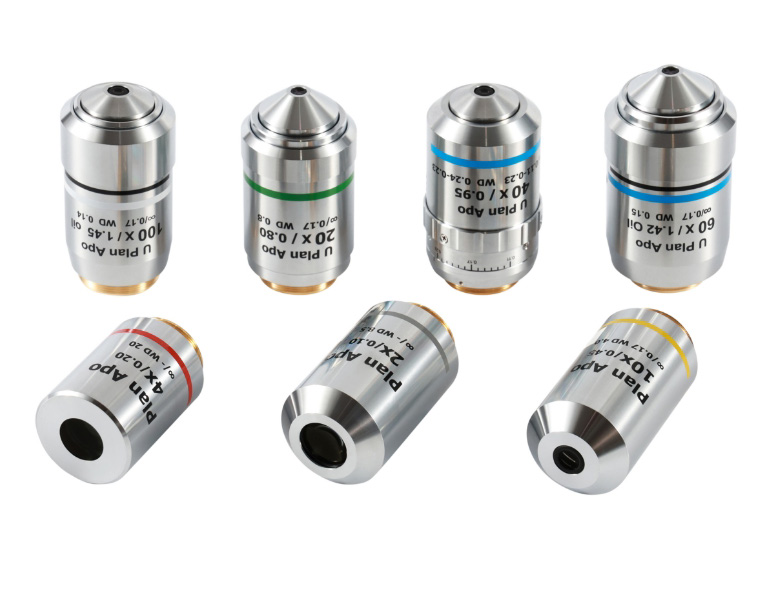
VL U Plan Apo 60X